


 Dollar Holds Near Two-Month High as Yen Approaches 160
  China Agrees to Buy 20 Million Tons of U.S. Coal
  Dollar Falls as Oil Eases, Yen Jumps on Intervention Signals
  Asian Stocks Fall as Bond Yields Surge Ahead of Trump-Xi Summit
  US Comfortable With Canada Trade Standoff as Import Bans Loom
  UK PM Burnham to Unveil Economic Vision at Labour Conference
  Fed’s Hammack Says Bond Yield Surge Is Not Driven by Inflation Fears
  Oil Prices Fall on U.S.-Iran Hormuz Deal Hopes
  Gold Holds Near $4,275 as Rising Treasury Yields Fuel Fed Rate Hike Bets
  Asian Stocks Fall as Surging Bond Yields Rattle Markets
  US Stock Futures Fall as Treasury Yields Surge Ahead of Trump-Xi Summit
  European Stocks Fall as Bond Yields and Geopolitical Risks Weigh
  Germany’s 2026 Growth Outlook Strengthens on Fiscal Spending
  Japanese Yen Rebounds as Trump Flags Currency Weakness
  U.S. Dollar Hits Two-Month High as Oil, Treasury Yields Surge
  Wall Street Ends Flat as Oil, Treasury Yields and Fed Jitters Rattle Markets


 Add as a preferred source on Google
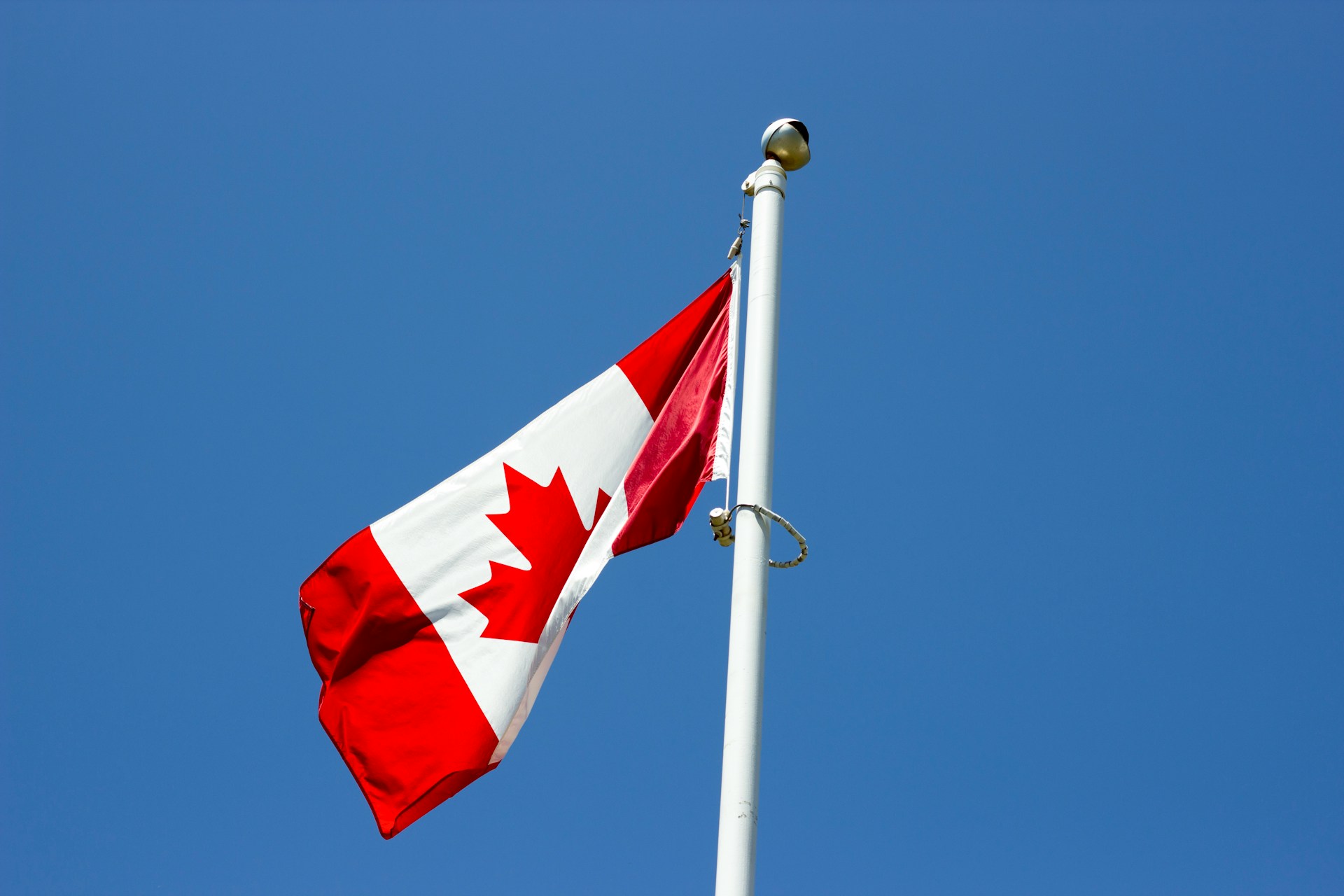
S&P Global Ratings warns that Canada's provincial budgets in 2025 will face mounting pressures from federal policy changes, rising costs, and newly imposed U.S. tariffs. The economic outlook varies by province, with some more vulnerable due to their export exposure.
The 25% tariffs on most Canadian exports to the U.S., effective March 4, 2025, alongside a 10% tariff on Canadian energy imports, add to existing fiscal strains. In response, Canada imposed a 25% tariff on C$30 billion of U.S. imports, with plans to extend tariffs to an additional C$125 billion after consultations. These trade barriers could significantly impact growth, particularly in Alberta and New Brunswick, where over 30% of GDP is tied to U.S. exports.
Provincial governments are contending with rising wage and goods costs that have outpaced revenue growth. However, recent trends indicate revenues are catching up, with provinces prioritizing healthcare and transportation infrastructure investments. Midyear financial reports suggest weaker-than-expected fiscal performance, further compounded by federal policies like reduced immigration targets.
A scenario analysis by S&P Global Ratings Economics predicts that the tariffs could disrupt key sectors and slow economic growth in 2025. However, per capita GDP levels are expected to remain resilient in the short-to-medium term. The tariffs are likely to be reduced to 10% in 2026 as negotiations under the United States-Mexico-Canada Agreement (USMCA) begin.
With provinces starting the budget cycle on varying fiscal bases, their ability to mitigate these economic headwinds will be crucial. The coming months will reveal how effectively they adapt to shifting trade dynamics and fiscal pressures.







