


 California Woman Arrested Over Alleged Spying on Taiwan President’s Son
  US Supreme Court Denies Release of Anti-ICE Activist Kyle Wagner
  Canton Network Expands Wall Street Reach With Ripple Integration
  India Voter List Protests Reach Supreme Court as Opposition Demands Election Chief's Resignation
  MNX Crypto Exchange Launches Futures for OpenAI, Anthropic Valuations
  Arm Breaches Qualcomm License Deal, Jury Awards $2
  Florida Seeks Tougher Meta Rules to Protect Young Users
  Kalshi Seeks Sixth Circuit Review of Sports Betting Ruling
  AT&T Sells Mexico Wireless Business to Televisa for $2 Billion
  New York Times, AFP Join Coalition to Protect Content From AI
  PepsiCo Slashes Poppi Earnout Valuation as Growth Slows
  Elon Musk Donates $366 Million to 2026 US Midterms
  ICC Rules Duterte Fit to Stand Trial in Drug War Case
  Bank of America Hit With $1.2 Billion Fine Over Money Laundering Failures
  Trezor Cuts Reseller Network After Ledger Security Breach
  OpenAI Uses AI to Uncover Hidden Recording Device, FBI Makes Arrest


 Add as a preferred source on Google
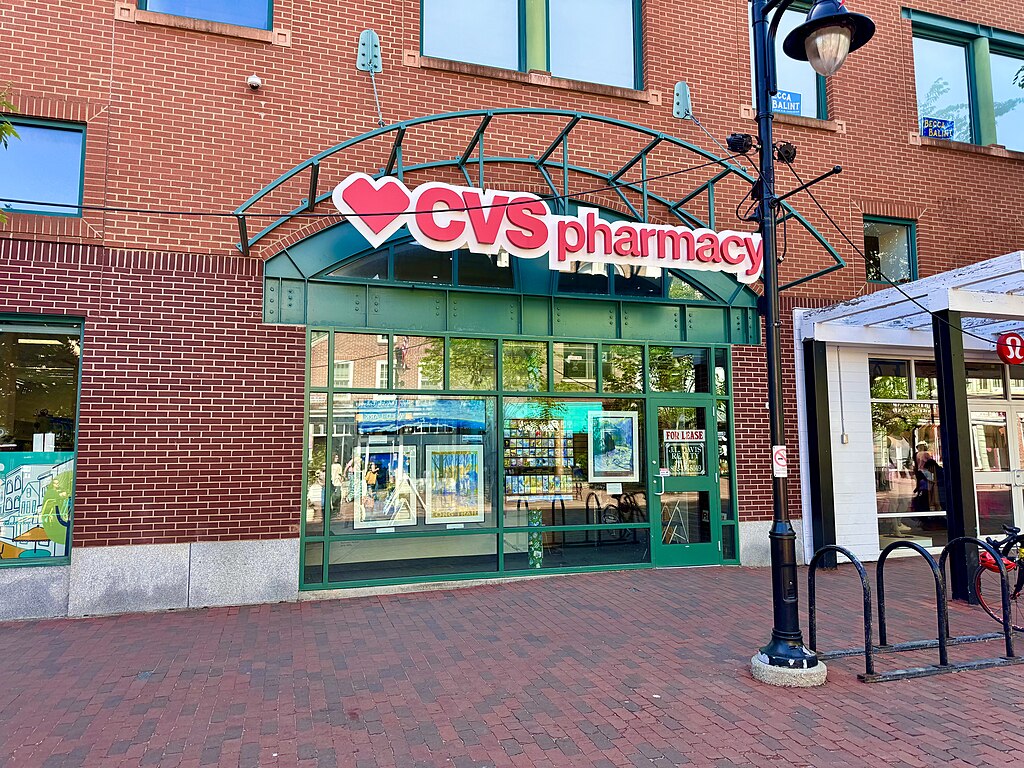
CVS Pharmacy Inc. and its affiliated companies have agreed to pay $315 million to settle federal allegations involving improper opioid prescriptions and fraudulent healthcare billing spanning more than a decade. The agreement resolves a civil lawsuit filed in Rhode Island federal court, addressing longstanding legal concerns surrounding the pharmacy chain's dispensing practices.
According to the U.S. Department of Justice (DOJ), CVS allegedly filled invalid prescriptions for controlled substances between October 2013 and December 2025. Federal prosecutors claimed the company dispensed excessive quantities of opioids, approved premature prescription refills, and supplied combinations of frequently abused medications despite warning signs of potential misuse.
Authorities alleged that CVS's corporate policies contributed to these violations. Performance targets, employee incentive programs, and persistent staffing shortages reportedly pressured pharmacists to prioritize prescription volume over patient safety. Investigators also accused the company of overlooking suspicious prescribing patterns associated with so-called "pill mill" operations.
Alongside the financial settlement, CVS reached a memorandum of agreement with the Drug Enforcement Administration (DEA) requiring stronger compliance measures throughout its retail pharmacy network.
Under the agreement, CVS must introduce an anonymous employee reporting hotline, strengthen digital surveillance of controlled substance dispensing, and establish enhanced procedures for identifying and reviewing potentially suspicious prescribers. These safeguards aim to prevent future violations and improve accountability across the company's pharmacy operations.
The investigation originated from a whistleblower lawsuit filed by a former CVS employee under the False Claims Act. The legislation allows individuals to report suspected fraud involving federal funds and potentially receive a portion of recovered payments. The whistleblower's compensation has not yet been determined.
The settlement also underscores increasing federal enforcement against prescription drug violations and improper Medicare reimbursements. The DOJ's newly established National Fraud Enforcement Division is expected to intensify scrutiny of healthcare providers and pharmaceutical businesses.
Meanwhile, CVS Health (NYSE: CVS) shares showed limited movement following the announcement, suggesting investors viewed the settlement as a manageable financial obligation.
CVS stock was relatively unchanged during afternoon trading, indicating that market participants may have already accounted for potential litigation expenses.
The agreement removes a significant legal uncertainty for CVS while introducing stricter regulatory oversight intended to strengthen prescription monitoring and patient safety.







