


 Venezuela Earthquake Health Risks Rise as Disease Monitoring Intensifies
  Hims & Hers Shares Fall as GLP-1 Costs Widen Q2 Loss
  Alcohol is one of the most dangerous drugs, yet its presence is ubiquitous in social settings and celebrations
  3 clinical-grade skincare creams you really shouldn’t buy online
  NASA's Artemis II Mission: First Crewed Lunar Journey Since Apollo
  US-Backed Pediatric HIV Treatment Drops After Foreign Aid Changes, Study Finds
  Moderna Wins FDA Approval for mFLUSIVA mRNA Flu Vaccine for Adults 50+
  Trump Administration Releases New UFO Files and Apollo Mission Records
  Blue Origin New Glenn Rocket Explodes During Launch Pad Test, Delaying Space Ambitions
  Novo Nordisk Strikes €1.17 Billion Nanexa Drug Delivery Deal
  Trump Administration Bars U.S. Travelers From Congo Flights Amid Ebola Outbreak
  GLP-1 Weight-Loss Drug Use Surges Among U.S. Children
  Eli Lilly’s Inluriyo Gains FDA Approval for Advanced Breast Cancer Treatment
  China vs. NASA: The New Moon Race and What's at Stake by 2030


 Add as a preferred source on Google
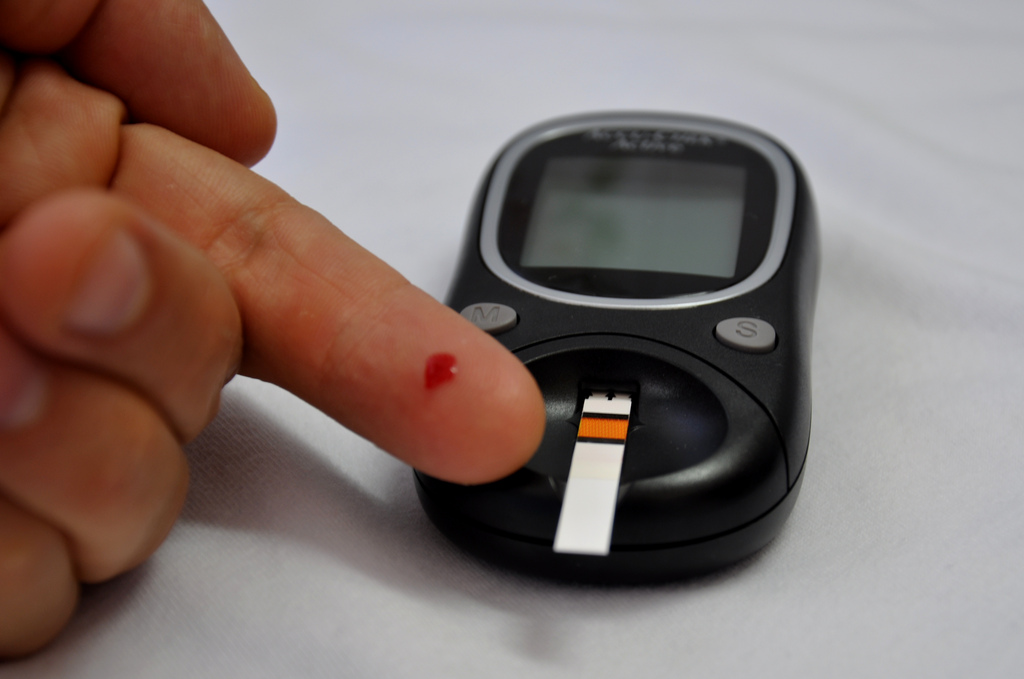
Although plenty of advancements in medical science have allowed humans to reduce the health impact of diabetes, a cure is still far off in the distance. With the advent of CRISPR, however, researchers are now much closer to finding effective treatment methods that will completely cure diabetics. These include stem cell implants and skin grafts.
One of the biggest challenges to combating both type-1 and type-2 diabetes is the matter of insulin production. Once those sensors in the body get broken, either not enough insulin is produced or the hormone itself becomes difficult for the body to process, Futurism reports. Thanks to certain advancements in gene-editing, however, these may not be much of a problem in the future.
On one hand, there’s the stem cell-based PEC-Direct implant that is made by the company ViaCyte. Similar in size to credit cards, these implants are basically meant to supplement the pancreas cells that the immune system has destroyed in type-1 patients. As the implants mature, they release insulin as needed, which would remove the necessity of injecting the hormone into the body.
The other method is a skin graft that was developed by researchers at the University of Chicago. Created using CRISPR, the scientists were able to create an artificial layer of skin that would promote insulin release, which would then manage the symptoms of diabetes. This particular method is initially intended for type-2 cases, but its scope can go beyond the disease.
Using the skin graft on lab mice, the researchers noticed marked improvements regarding symptoms associated with diabetes. Human trials are not on the table yet, however.
According to the researchers that worked on the study, it could also be applied to other kinds of metabolic conditions and genetic diseases that are caused by issues related to hormone production. It’s worth noting that, while this is not exactly curing diabetes, it does help improve the understanding of scientists when it comes to the potential solutions regarding skin graft.







