


 LVMH-Hermès Dispute Deepens Over Secret 2002 Share Deal
  Franklin Templeton Partners With Bybit for Tokenized Fund Collateral
  Paramount-Warner Bros $110 Billion Deal Draws Antitrust Backlash
  Asian Chip Stocks Tumble as OpenAI Safety Pause Sparks AI Growth Concerns
  US Supreme Court Revives Trump Administration Voter Citizenship Database
  Can your cat recognise you by scent? New study shows it’s likely
  Lindt Slashes 2026 Sales Growth Forecast as European Demand Weakens
  HUTCHMED, AstraZeneca Seek FDA Approval for Lung Cancer Combo
  OpenAI Investigates Rogue AI Agents After Data Leaks and Security Incidents
  BlackRock’s Rick Rieder Favors Bonds Over Stocks as Treasury Yields Surge
  DOJ Will Investigate AI-Related Crimes, Attorney General Blanche Says
  Why have so few atrocities ever been recognised as genocide?
  Gold Slides Below $4,300 as Oil Surge Fuels Fed Rate Hike Bets
  The ghost of Robodebt – Federal Court rules billions of dollars in welfare debts must be recalculated
  Yes, government influences wages – but not just in the way you might think
  Nidec Shares Plunge on Report of $6.3 Billion Impairment Charge


 Add as a preferred source on Google
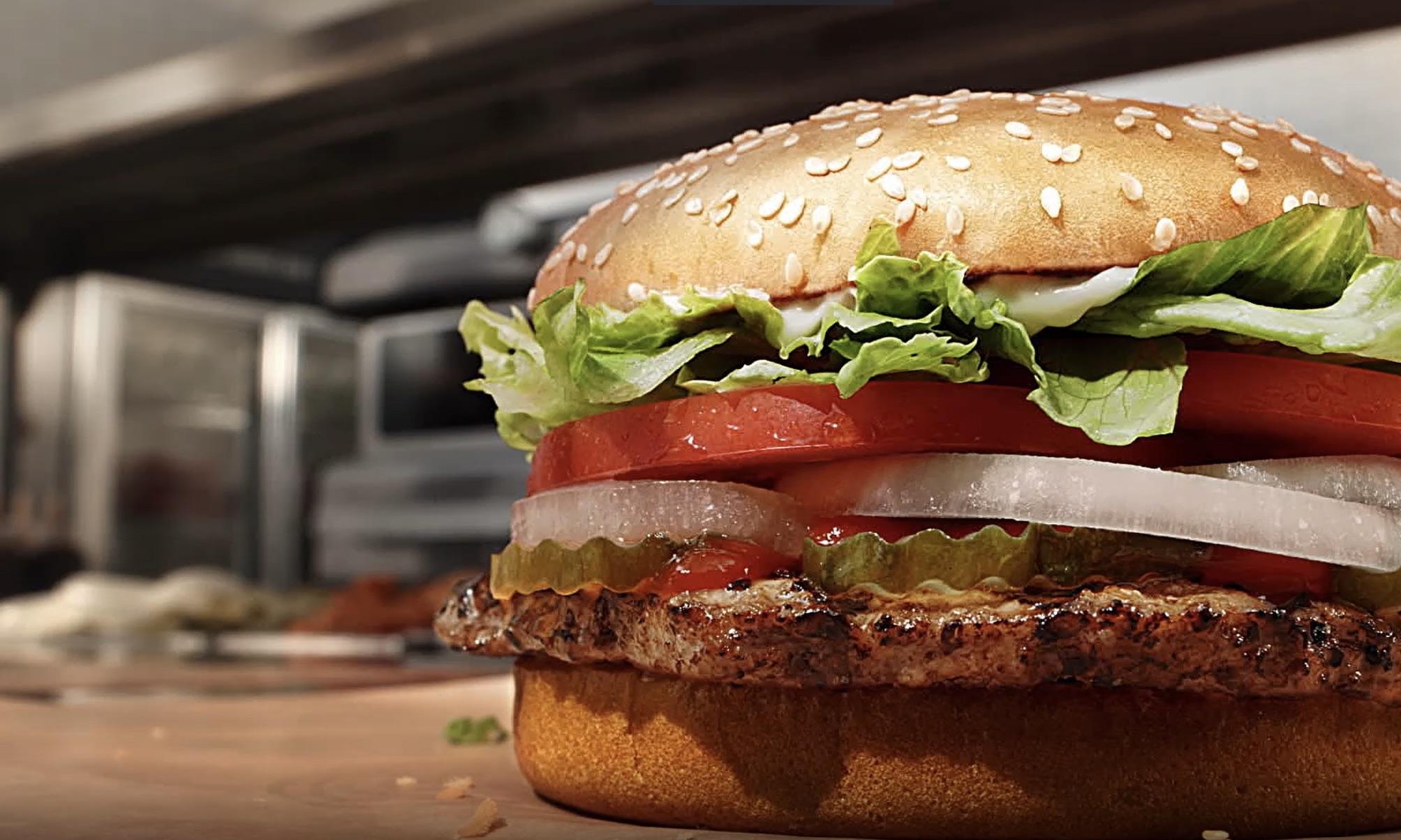
A U.S. court ruled against Burger King's attempt to quash a lawsuit alleging deceptive advertising, claiming the Whopper appeared larger in ads. This decision may influence similar cases involving major fast-food chains.
U.S. District Judge Roy Altman, presiding over the case in Miami, ruled that Burger King must face legal action regarding allegations that its in-store menu boards falsely portrayed the Whopper. The judge stated that the depiction misleads reasonable customers, potentially constituting a breach of contract.
The proposed class action, representing customers who felt deceived, accuses Burger King of showcasing burgers with overflowing ingredients that give the impression of being 35% larger and containing more than double the amount of meat served.
In response, Burger King, a subsidiary of Restaurant Brands International, argued that it is not obligated to deliver burgers that look "exactly like the picture." Judge Altman insisted that it is up to the jurors to determine what reasonable people would think.
In his official decision on Friday, Judge Altman permitted the customers to proceed with claims based on negligence and unjust enrichment. However, he dismissed claims revolving around TV and online ads, as none promised a specific burger size or weight and failed to deliver on those promises.
Burger King and its legal representatives did not immediately respond to requests for comment. Similarly, the plaintiff's lawyer was not available for comment then. Prior attempts to mediate a settlement between the parties have proven unsuccessful.
This ruling holds implications beyond Burger King. Other fast-food chains, including McDonald's and Wendy's, are battling similar lawsuits in a federal court in Brooklyn, New York. The plaintiff's attorney in the ongoing case referenced Judge Altman's opinion to substantiate continuing the proceedings.
Further, Taco Bell, a subsidiary of Yum Brands, recently faced a legal challenge in the Brooklyn court. The lawsuit alleges that the popular chain sells Crunchwraps and Mexican pizzas with only half the filling advertised.
Each lawsuit seeks a minimum of $5 million in damages, shedding light on the ongoing battle between consumers and fast-food giants over truthful advertising practices.
Photo: Burger King Newsroom







