


 Bill Ackman Eyes New Fund to Bet Against Market Complacency
  LG Electronics Posts Record Q1 Revenue Amid Strong Demand and Cost Improvements
  Kia Cuts EV Sales Target for 2030 Amid Slowing Demand and U.S. Policy Shifts
  Apple's Foldable iPhone Faces Engineering Setbacks, Mass Production Timeline at Risk
  Lumentum Holdings Rides AI Wave With Order Book Filled Through 2028
  Pilots Fear Retaliation for Refusing Middle East Flights Amid Ongoing Conflict
  SpaceX IPO: Retail Investors to Play Historic Role in Record-Breaking Public Offering
  China's AI Stocks Surge as Zhipu and MiniMax Hit Record Highs
  Anthropic's Mythos AI Model Sparks Emergency Cybersecurity Meeting With Top U.S. Bank CEOs
  Goldman Sachs, ANZ Cut Oil Forecasts Amid U.S.-Iran Ceasefire Hopes
  FedEx Pilots and Union Reach Tentative Agreement on 40% Pay Increase
  Abbott Laboratories Ordered to Pay $53 Million in Premature Infant Formula Lawsuit
  TSMC Posts Strong Q1 2025 Revenue, Riding AI Chip Demand Wave
  NIO ES9 SUV Launch Sends HK Shares Down 7% Despite Bold Pricing Strategy
  Bank of America Identifies Top Asia-Pacific Semiconductor Stocks Poised for AI-Driven Growth
  Disney Plans to Cut 1,000 Jobs Amid Ongoing Restructuring Efforts


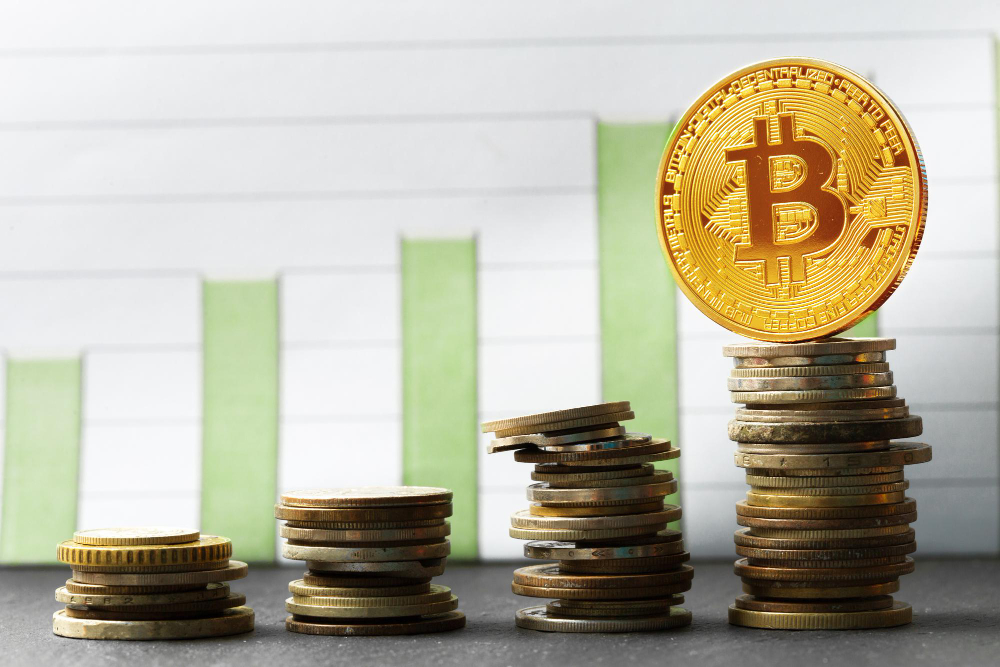
Bitcoin is a volatile asset whose price can change from time to time. If you want to take the first steps as a crypto investor, it is essential to understand what causes these shifts in prices, such as fluctuations in the btc price usd, and how it affects the way you trade or buy Bitcoin with bank transfer.
Bitcoin is created on blockchain, a decentralized digital ledger that is not controlled by a central entity like the government or a central bank. Bitcoin is the leading cryptocurrency by market cap and the first digital coin ever created that played an important role, as it offered people something else to fiat money. Still, who is responsible for the notable lows and highs in the crypto market? How do Bitcoin's price changes influence trading decisions, or how can you predict these fluctuations? We cover all these topics in this article. Do you want to find out more? Keep reading.
What is the Bitcoin Price?
Bitcoin's price refers to its exchange value against regular currencies like the Euro, US Dollar, or Australian Dollars. Bitcoin is a decentralized asset, and this is why its price and circulation are not controlled by a government or a central bank. Thus, its price changes are different from those of normal financial commodities.
Bitcoin is considered a high-risk and volatile asset because it is characterized by rapid and impulsive price changes. One important swift in Bitcoin's price that had a major impact on the crypto landscape was its surge to nearly $20,000 in 2017. This event led to a bull market, which enjoyed worldwide attention, drawing both skeptics and enthusiasts to the crypto world. However, after this surge, there followed a bear market, which sparked debates on whether cryptocurrencies had a long-term viability.
What are the factors that influence Bitcoin's Price?
The price of the leading cryptocurrency is subjected to numerous factors, including supply and market demand. This is why, when the demand surpasses supply, Bitcoin's price tends to rise and vice versa. Bitcoin has a fixed supply of 21 million coins. Because of this fact, the digital coin maintains some level of scarcity. When demand increases thanks to the growing interest from retail investors or institutional adoption, the limited supply can exert pressure on the cost.
But besides the demand and supply, some factors impact the value of Bitcoin, including.
Market Sentiment and Speculation
One of the most important factors influencing Bitcoin's price is market sentiment, which refers to the emotions that make crypto enthusiasts sell or buy an order. Market sentiment has led to some of the most impulsive changes that the crypto market has experienced over the years.
Positive sentiments are often driven by regulatory developments and news of institutional investments, which makes traders buy virtual tokens and, thus, leads to a price spike. On the other hand, a negative sentiment, which can be caused by fear, downturns, and uncertainty, often triggers sell-offs, and prices tend to dip.
Regulatory developments
Another element that can affect the price of the crypto king is the enforcement of regulatory laws. Although Bitcoin is not controlled by the government, regulations, and laws still exist and guide people's use of digital currencies in some areas. Uncertainty in the crypto regulatory framework can affect the price, as investors' confidence can drop.
Technological advancements
Technological innovations and advancements in the Bitcoin ecosystem can also be factors that influence the price of this commodity. Bitcoin functions on blockchain technology, which proved to be useful in industries that go beyond crypto. The effects of this growing adoption can also increase the price of Bitcoin. Furthermore, when new trading features are designed and upgrades are made to the platform, it boosts people's confidence, which also impacts the rate of Bitcoin.
Macroeconomic factors
Although Bitcoin is not subjected to the same factors that usually impact the traditional financial markets, the crypto king is not immune to broader economic trends. This is why currency devaluation, economic instability, and inflation can affect the price of the virtual coin. Nowadays, plenty of investors choose to buy crypto as a hedge against economic downturns and inflation. In fact, the reason why Bitcoin was launched back in 2009 was to offer a hedge against the financial crisis worldwide.
Trading volumes and market liquidity
Bitcoin trading volumes and liquidity also need to be considered when we're trying to guess what affects Bitcoin's price. Liquidity is a term that refers to how quickly and easily you can sell and buy Bitcoin. If Bitcoin has high liquidity, it means that there will be smoother trading. On the other hand, market volume shows how much the leading cryptocurrency is being traded. If the volume is high, so will the interest in this commodity, leading to an effect on the price. If Bitcoin has a period of high trading volume and liquidity, then this factor can contribute to a more predictable and stable price. Otherwise, if they are low, the cost can be sensitive to big swifts in selling or buying.
Can you tell when the Bitcoin price will change?
Yes, Bitcoin is highly volatile, but it is not unpredictable. So, you can create a picture of where the price is headed by looking at the historical price movements and studying the price charts. For example, the following factors can help you in better navigating the space:
-
Analyzing charts: You can use price charts to make a technical analysis and look for patterns, trends, and resistance levels to be able to predict the direction where the market is headed.
-
Research market factors: Learning about all the factors that can impact the price of Bitcoin can influence the current market sentiment.
-
Stay informed: You should always be aware of the latest events and news that can affect the market. You can even join communities to learn from experienced traders' insights.
-
Understand indicators: It will be good to take into account indicators like RSI, Moving Averages, and MACD.
If you are interested in investing in Bitcoin, you should only put in the amount you can afford to lose and keep up with the latest news from the crypto landscape.
This article does not necessarily reflect the opinions of the editors or management of EconoTimes







