


 Trump Bans CNN, MS NOW and Politico From White House
  Goldman Sachs Names Simon Lyons UK Investment Banking Co-Head
  Prysmian, Rio Tinto Supply Low-Carbon Cables for Amazon Ohio Data Center
  Hyundai CEO Warns Chinese Automakers Could Disrupt US Market
  Scott Bessent Eyed as Trump’s New AI Czar
  China’s ‘Lipstick King’ Says AI Won’t Replace Livestream Hosts
  OpenAI Urges US-Led Global Standards for Frontier AI
  Burnham Eyes UK Leadership Role in AI Ahead of Trump Meeting
  China Vanke Shares Jump as Beijing Moves to Ease Debt Pressure
  Japan, U.S. Discuss $19 Billion GlobalFoundries Chip Plant
  Meta Unveils Muse Charm AI Device, Expands Smart Glasses Lineup
  Guterres Urges Stronger Global AI Safeguards Ahead of UN Assembly
  Rosenblatt Starts Nokia at Buy on AI Networking Growth
  SpaceX Nasdaq 100 Weight to More Than Double in Rebalance


 Add as a preferred source on Google
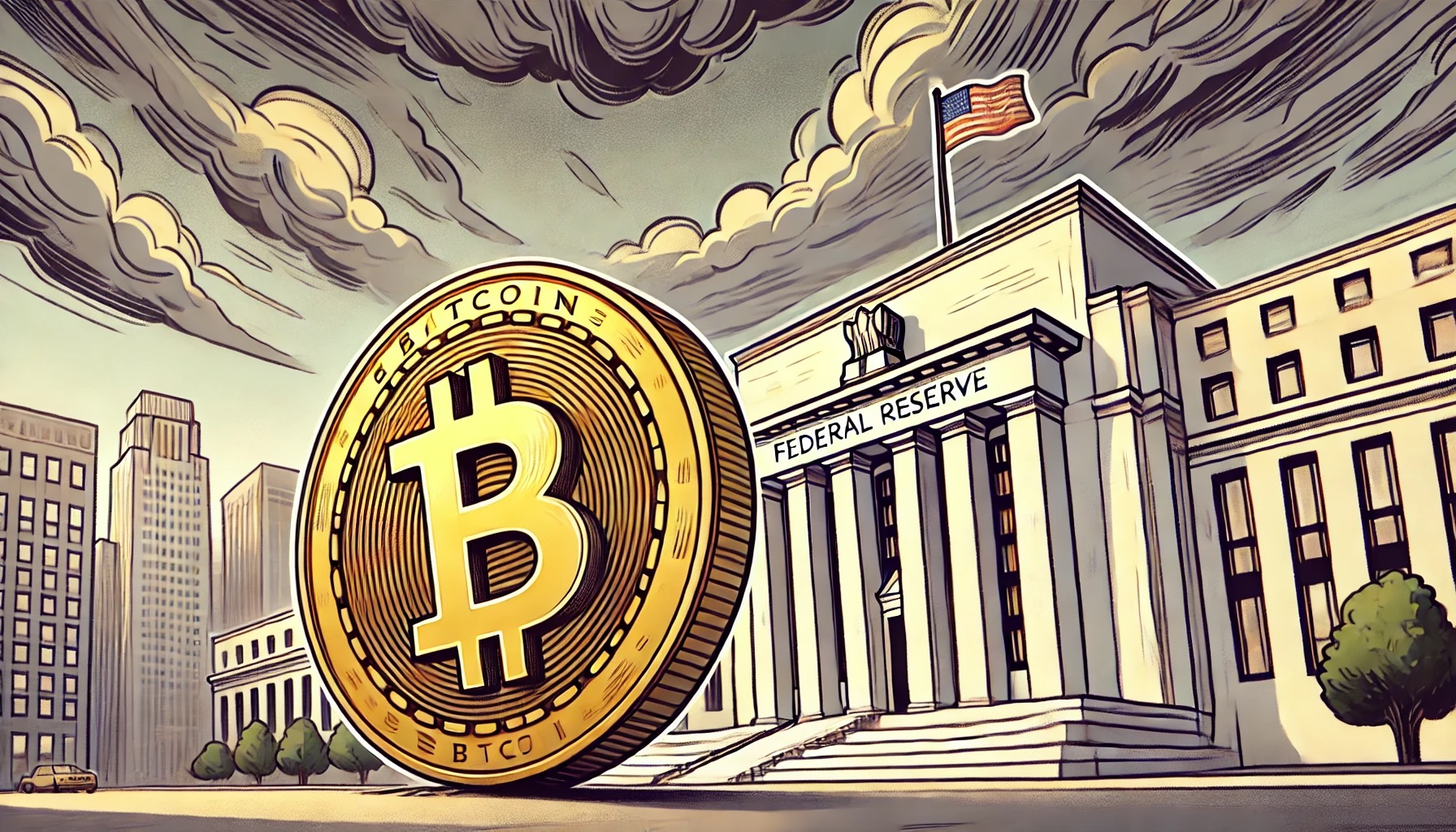
Bitcoin dropped nearly 3% on Nov. 14 as Federal Reserve Chair Jerome Powell dismissed the need to lower interest rates quickly. The cautious stance has led traders to reconsider the likelihood of a December cut, with confidence sliding to 59%.
Fed's Stance Sparks Bitcoin's 3% Decline
Following the US Federal Reserve's hints that additional interest rate reduction would not be forthcoming—contrary to what many in the crypto and broader financial markets had anticipated—the Bitcoin market experienced a nearly 3% decline.
According to Federal Reserve Chair Jerome Powell, "the economy is not sending any signals that we need to be in a hurry to lower rates" (November 14 speech, Dallas, Texas).
Recent Rate Cuts Set Context for Powell’s Remarks
The recent rate reduction in September (50 basis points) and November (25 basis points) preceded Powell's remarks. On December 18th, the Federal Reserve will announce its next interest rate decision.
“The strength we are currently seeing in the economy gives us the ability to approach our decisions carefully. Ultimately, the path of the policy rate will depend on how the incoming data and the economic outlook evolve,” Powell continued.
Bitcoin Price Reacts to Powell’s Speech
Data from CoinMarketCap shows that Bitcoin's price fell 2.79 percent to $86,979 after Powell's speech. As we went to press, the price had risen back up to $88,100.
"Odds of a 25 basis points rate cut are down to just 59%," stated trading resource The Kobessi Letter in a post on November 14th, X, indicating that traders' confidence in a December rate cut has diminished.
Further, "the 'Fed pivot' is being undone once again," the Kobessi Letter further stated.
Inflation Data Adds to Rate-Cut Uncertainty
Bitcoiners are watching the Federal Reserve's decision to cut interest rates with bated breath. When rates are low, investors are enticed away from bonds and term deposits, which they view as safer investments, and toward Bitcoin and tech stocks, which are seen as riskier alternatives.
Meanwhile, US inflation statistics slightly surpassed market estimates on November 14th. The same day, US producer prices rose 2.4% year-over-year in October, which was little higher than the 2.3% forecast. As a result of inflation numbers that are in line with forecasts, the Federal Reserve may feel less need to change interest rates soon.
Trump’s Economic Policies Raise Long-Term Rate Concerns
Concerns regarding the possible consequences of several of Trump's declared economic policies have prompted this.
According to economist Nouriel Roubini, who spoke with ABC News on November 14th, Trump's policies on tariffs, trade wars, and immigration could result in "higher interest rates," but his policies on "being pro-business, low tax rates for the corporate sector, deregulation, and more production of fossil fuels" could boost growth and inflation.







