


 TSMC Posts Strong Q1 2025 Revenue, Riding AI Chip Demand Wave
  BHP's Incoming CEO Visits China Amid Pricing Dispute with CMRG
  Anthropic's Mythos AI Model Sparks Emergency Cybersecurity Meeting With Top U.S. Bank CEOs
  China's AI Stocks Surge as Zhipu and MiniMax Hit Record Highs
  Kia Cuts EV Sales Target for 2030 Amid Slowing Demand and U.S. Policy Shifts
  Ford Issues Major Recall on Over 422,000 Vehicles Due to Windshield Wiper Defect
  Pony.ai, Uber, and Verne Launch Europe's First Commercial Robotaxi Service in Zagreb
  Bank of America Identifies Top Asia-Pacific Semiconductor Stocks Poised for AI-Driven Growth
  Pershing Square Bids €30.40 Per Share to Acquire Universal Music Group in $9.4B Deal
  SpaceX IPO: Retail Investors to Play Historic Role in Record-Breaking Public Offering
  FedEx Pilots and Union Reach Tentative Agreement on 40% Pay Increase
  Anthropic Fights Pentagon Blacklisting in Dual Federal Court Battles
  Pilots Fear Retaliation for Refusing Middle East Flights Amid Ongoing Conflict
  Tokyo Electric Power Attracts Major Investors Amid Billion-Dollar Restructuring Push
  Apple's Foldable iPhone Faces Engineering Setbacks, Mass Production Timeline at Risk
  Deere & Company Agrees to $99 Million Settlement Over Right-to-Repair Dispute
  Goldman Sachs, ANZ Cut Oil Forecasts Amid U.S.-Iran Ceasefire Hopes


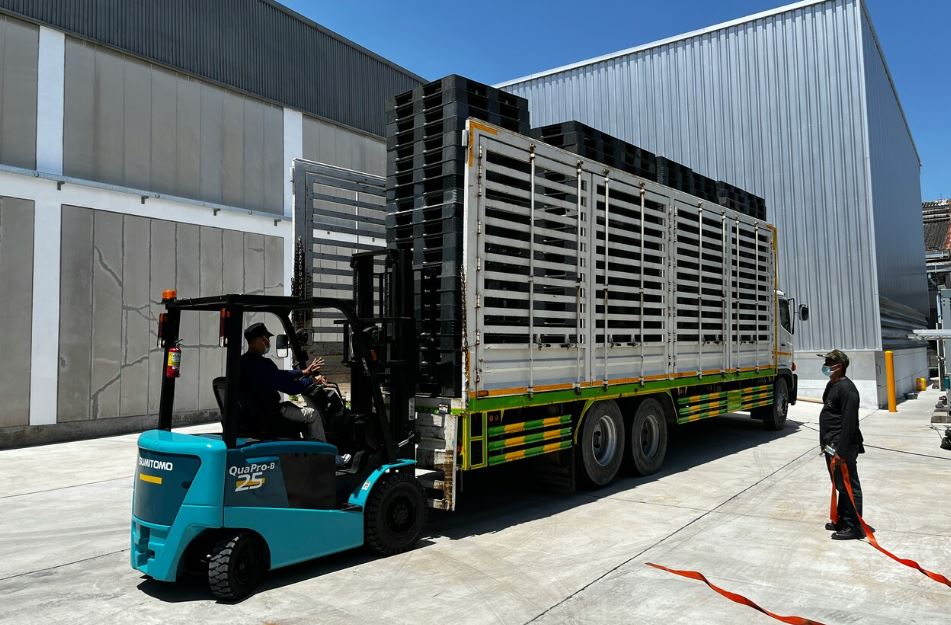
Plastic is often associated with things that are harmful to the environment, due to it not being biodegradable. However, in certain scenarios and industries, plastic can actually be a more sustainable and cost-effective solution than some natural materials. Plastic pallets are one of such examples, used in retail, warehouse management, and transportation. Here are their key advantages compared to wooden pallets.
Total cost of ownership
Wooden pallets are up to three times less expensive than plastic pallets, if we look at the up fort costs. However, they are also much more durable than wooden pallets, with the ability to last 10 to 15 years. They are incredibly resilient to various damages or harsh weather conditions, meaning they are less likely to break, rot, or be ruined by chemical damage. Plastic pallets can be reused lots of times before they have to be replaces, minimising replacement costs too. This means that the higher initial investment often leads to substantial long-term savings and, overall, lower total cost of ownership.
Sustainability
Although not biodegradable, plastic pallets are recyclable, meaning they do not have to contribute to environmental waste. In fact, they support the principles of circular economy, thanks to their long lifespan and durability. Their production is relatively resource-efficient, often made from recycled materials via injection moulding, which also makes them more sustainable. Not just that, the space optimisation that businesses achieve with plastic pallets can also reduce their CO2 emissions long-term.
Hygiene
One of the biggest disadvantages of wooden pallets is their tendency to absorb bacteria, odours, moisture, and chemicals. Plastic pallets, on the other hands, are designed to maintain the highest hygiene standards. Their completely smooth surfaces make them easy to clean and, therefore, get rid of any bacteria effectively. Additionally, they are temperature resistant, which means they can be used in freezer zones too. This makes them useful in food or pharma industries, which have particularly strict hygiene and safety regulations.
Practical benefits
Plastic pallets are usually lighter in weight than wooden ones, which does not only make them easier to handle, but also can reduce fuel consumption during transportation. Additionally, plastic pallets are highly stackable and space-efficient, allowing businesses to transport more in one journey. Unlike wood, plastic also does not have any splinters or nails, so they are safer to handle manually too. But, even with all of these practical aspects, plastic pallets still boast an impressive load capacity to pallet weight ratio.
Automation compatibility
With a lot of industries now utilising smart technology for their operations, having automation-comparable pallets is an important consideration. Plastic pallets are highly uniform, meaning they come in consistent dimensions and specifications. This makes them ideal for uses with machinery, such as robotic handling, or automated storage systems. They can also be personalised with different markings or colours, so the machines can easily recognise the right items.
Final word
As surprising as it might sound, plastic pallets are the safer, more durable, and more environmentally sound solution, especially compared to wooden pallets. While they do require a higher initial investment, it is the forward-thinking choice for businesses in various industries.
This article does not necessarily reflect the opinions of the editors or management of EconoTimes.







