


 Elliott Investment Management Takes Multibillion-Dollar Stake in Synopsys
  Bank of Japan Signals Rate Flexibility Amid Yen Volatility
  Trump White House Unveils National AI Policy Framework for Congress
  Dollar Surges to Nine-Month High as Middle East Tensions Drive Safe-Haven Demand
  SpaceX IPO Filing Expected This Week as Valuation Could Surpass $75 Billion
  Gold Prices Inch Higher Amid U.S.-Iran War Tensions and Technical Rebound
  South Korea's $17.3 Billion Emergency Budget Targets Oil Price Surge
  AWS Bahrain Region Disrupted by Drone Activity Amid Middle East Conflict
  Asian Currencies Hold Steady Amid U.S.-Israel-Iran Tensions and BOJ Signals
  Gold Prices Rebound in Asia Amid Iran War Ceasefire Hopes
  U.S. Stock Futures Drop as Iran War Escalates, Oil Surges Past $115
  Asian Stocks Drop Amid Iran War Fears and BOJ Rate Hike Signals
  Nintendo Switch 2 Production Cut as Holiday Sales Miss Targets
  Federal Judge Blocks Pentagon's Blacklisting of AI Company Anthropic
  Asia Markets Tumble as Gulf Conflict Drives Oil Prices to Historic Highs
  Jeff Bezos Eyes $100 Billion Fund to Transform Manufacturing With AI
  SMIC Allegedly Supplies Chipmaking Tools to Iran's Military, U.S. Officials Warn


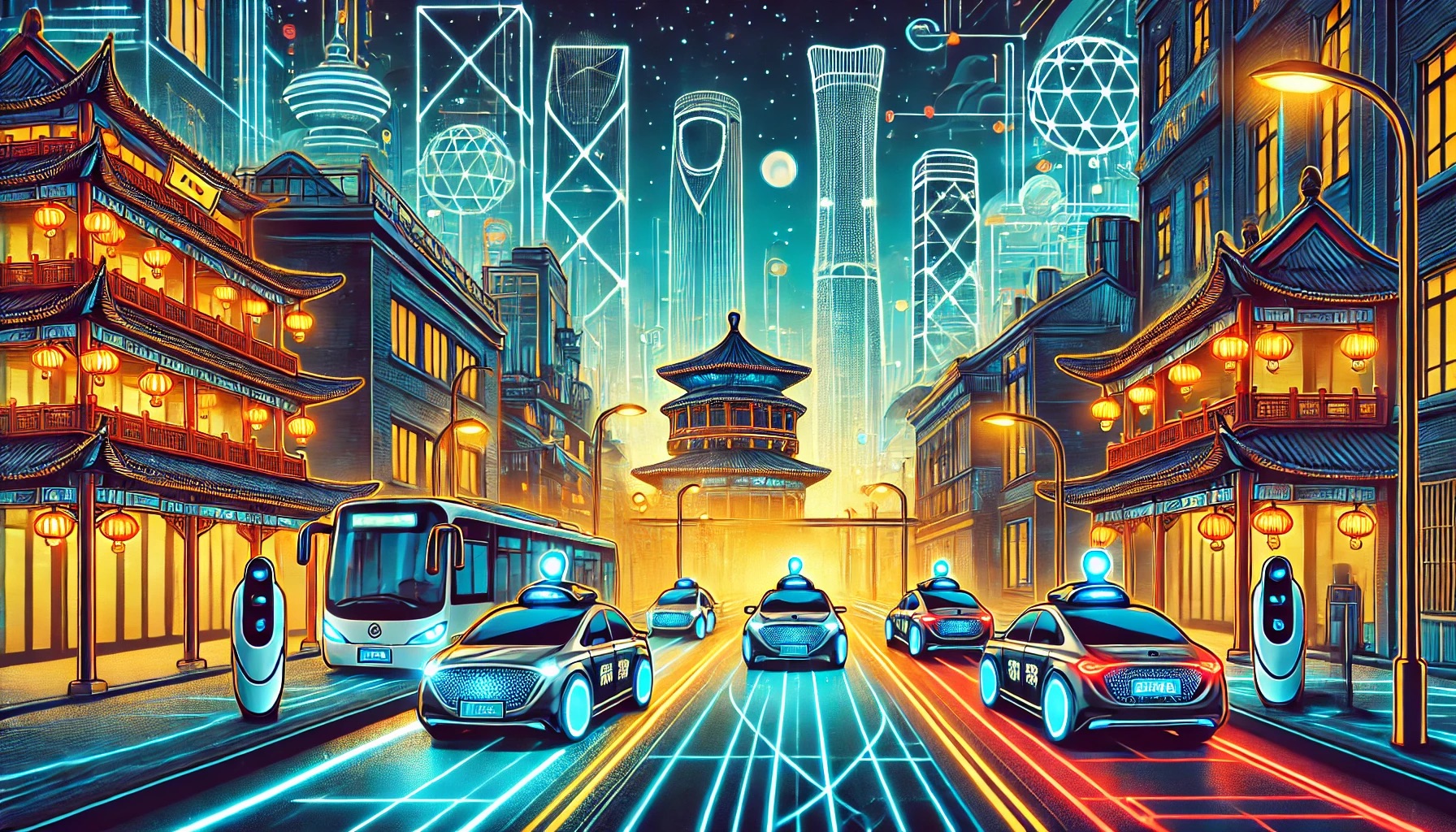
Beijing is propelling autonomous driving forward with regulations effective April 1, enabling trials for driverless taxis and buses while advancing intelligent road infrastructure. This initiative positions China’s capital as a trailblazer in urban transport innovation.
Beijing Greenlights Autonomous Driving Rules for Public Transport
Beijing, the capital of China, approved new rules on Tuesday to promote autonomous driving technology within the city. The goal is to eventually enable driverless public transportation options like cabs and buses.
The new laws will be put into force on April 1, according to the state-backed Beijing Daily newspaper. This means that autonomous vehicles that successfully complete safety evaluations and road testing will be eligible to apply for road trials.
The city has stated its support for autonomous vehicles and plans to promote the development of intelligent road infrastructure to accommodate them. This will include private cars, urban buses, trams, and taxis.
Wuhan Joins the Push for Intelligent Connected Vehicles
Wuhan, a city in central China, also announced that it had passed rules to encourage the creation of smart linked vehicles in a separate notice, Reuters reports
Reuters stated in August that at least 19 cities in China are testing robotaxi and robobuses, a sign of the government's eagerness to approve trials of self-driving technology.
Major Players Dominate China’s Robotaxi Market
One Chinese company with a sizable fleet of robotaxis is Apollo Go, a division of internet behemoth Baidu, which aims to station one thousand of them in Wuhan by the year 2024.
The November U.S. market floater Pony.ai intends to increase its robotaxi fleet from 250 this year to more than 1,000 by 2026.
Along with SAIC Motor, WeRide, and AutoX are among the companies investigating robotaxi possibilities in the biggest automotive market on the planet.
U.S. electric vehicle behemoth Tesla plans to begin manufacturing its own robotaxi in 2026 and plans to introduce fully autonomous driving (FSD) to China in the first quarter of 2025, subject to regulatory clearance.







