


 U.S. Treasury Yields Surge as 30-Year Hits 22-Year High
  Fed Unveils Stablecoin Rules Under GENIUS Act
  US Comfortable With Canada Trade Standoff as Import Bans Loom
  Soybean Futures Slip as Traders Await Trump-Xi Trade Signals
  Fed Unveils Stablecoin Rules Under GENIUS Act
  Canadian Dollar Faces Pressure as Fed-BoC Policy Gap Widens
  Asian Currencies Mixed as Dollar Holds Near Two-Month High
  Germany’s 2026 Growth Outlook Strengthens on Fiscal Spending
  Oil Prices Fall on U.S.-Iran Hormuz Deal Hopes
  UK PM Burnham to Unveil Economic Vision at Labour Conference
  Gold Prices Fall as Treasury Yields Rise on Fed Rate Hike Bets
  RBI Uses $10 Billion Currency Swaps to Drain Excess Rupee Liquidity
  Fed’s Hammack Says Bond Yield Surge Is Not Driven by Inflation Fears
  Asian Stocks Fall as Bond Yields Surge Ahead of Trump-Xi Summit
  U.S. Dollar Hits Two-Month High as Oil, Treasury Yields Surge


 Add as a preferred source on Google
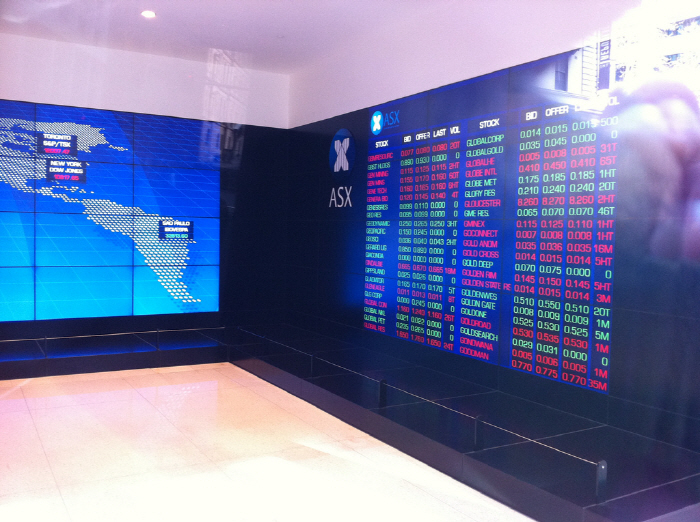
Australia’s securities regulator has launched a two-year trial to accelerate initial public offerings (IPOs) in response to a significant decline in listings. The Australian Securities and Investments Commission (ASIC) announced Tuesday that the new measures aim to cut up to one week off the typical 20-week IPO timeline, reducing deal execution risk and increasing retail investor access.
The trial applies to companies aiming to list on the Australian Securities Exchange (ASX) with a projected market capitalization above A$100 million and no ASX-imposed escrow. These firms will qualify for "fast-track" IPO status, allowing them to submit a confidential prospectus or product disclosure statement at least 14 days ahead of formal lodgement for ASIC review.
Additionally, ASIC will adopt a "no action" position that lets eligible companies start accepting retail investor applications during the seven-day exposure period—traditionally a stage reserved for institutional engagement after regulatory review.
ASIC Chair Joe Longo said the move supports more dynamic capital markets, noting that IPO fundraising in Australia hit a decade low in 2023 with just A$4.2 billion raised, down from A$22.9 billion in 2014. The changes follow strong investor interest in Virgin Australia’s recent A$685 million IPO.
Legal experts welcomed the shift but noted structural issues remain. Baker McKenzie partner Lizzie Lu cited abundant private capital as a larger hurdle than regulation, while Ashurst partner Patricia Paton highlighted that shortening investor risk periods during bookbuilding could improve market participation.
ASIC said this trial is part of a wider review of IPO regulations, signaling further reforms may follow to boost competitiveness in Australia’s capital markets.
The trial begins immediately and aims to modernize the IPO process without compromising investor protections.







