


 SoftBank Becomes Japan’s Most Valuable Company as AI-Fueled Rally Drives Shares to Record High
  Bayer Rules Out Monsanto Spin-Off as Roundup Lawsuits Continue to Mount
  Palo Alto Networks Q3 FY2026 Earnings Surge on Strong AI Security Demand, Raises Full-Year Outlook
  Ryan Kavanaugh and Acme AI & FX Bets on Artificial Intelligence to Reinvent Film Production Economics
  CBS News Fires Scott Pelley Amid Major Changes at ‘60 Minutes’ in 2026
  Nvidia Unveils RTX Spark AI PC Chips, Expands Challenge to Intel, AMD, and Apple
  Berkshire Hathaway to Acquire Taylor Morrison in $6.8 Billion Homebuilding Deal
  DBS Expands Wealth Centre Network Across Asia in Largest Physical Growth Push Yet
  Anthropic Files for IPO, Signaling a New Era for Public AI Investments in 2026
  Trump Adviser’s Investment in Thrive Capital Draws Scrutiny Over Federal Contracts
  Rising Airfares May Challenge Cruise Industry Growth Ahead of 2027 Booking Season
  HPE Raises 2026 Outlook After Record Q2 Revenue Fueled by AI Server Demand
  US Tightens AI Chip Export Rules, Impacting Nvidia and AMD Sales to Chinese Firms
  DeepSeek Targets $7.4 Billion Funding Round, Valuation Could Reach $59 Billion in 2026
  Syria Airspace Sees Sharp Rise in Flights as Airlines Reroute Around Middle East Conflict


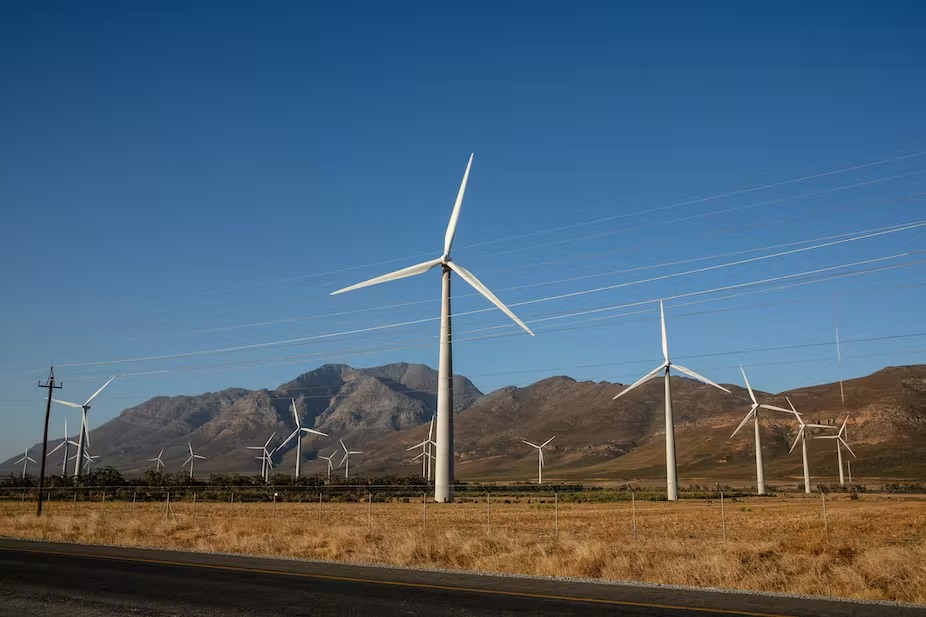
Atlas Renewable Energy, one of South America's leading renewable energy companies, has suspended plans for approximately $1 billion in new investments in Brazil due to ongoing renewable energy curtailment issues, according to CEO Carlos Barrera. The company, owned by Global Infrastructure Partners, a BlackRock subsidiary, has delayed around 1.5 gigawatts (GW) of solar and wind projects that were originally scheduled to begin construction in 2025 and 2026.
Barrera revealed that Atlas experienced curtailment rates between 15% and 25% during the second quarter, significantly impacting the profitability of its existing renewable energy assets. Curtailment occurs when grid operators limit or reject electricity generated by solar and wind farms because transmission infrastructure cannot accommodate the available power.
Speaking at the SNEC photovoltaic conference in Shanghai, Barrera highlighted that Brazil’s electricity market structure has intensified the challenges facing renewable energy developers. Companies whose power generation is curtailed are often forced to purchase replacement electricity at substantially higher market prices in order to meet contractual obligations. In some cases, generators are paying nearly twice the amount they receive from power sales.
Brazil, currently one of the world's largest renewable energy markets, has rapidly expanded solar and wind capacity in recent years. However, transmission network development has failed to keep pace with the growth in renewable generation, creating grid congestion and oversupply issues.
The situation has raised concerns across the sector. Fitch Ratings recently assigned negative outlooks to 11 Brazilian renewable energy project financings, warning that curtailment could continue through 2030 and negatively affect cash flow, liquidity, and debt repayment capabilities. According to Fitch, average curtailment levels increased to between 7% and 25% in 2025, compared with 6% to 12% in 2024.
Despite current challenges, Barrera expects curtailment rates to gradually decline as electricity demand increases and the pace of new solar installations slows. However, he does not anticipate significant reforms to Brazil’s energy market framework before 2028. He emphasized that solar overcapacity remains a fundamental issue, stating that even major transmission upgrades would not completely eliminate renewable energy curtailment in Brazil.







