


 Microsoft's $10 Billion Japan Investment: AI Infrastructure and Data Sovereignty Push
  Meta Ties Executive Pay to Aggressive Stock Price Targets in Major Retention Push
  MATCH Act Targets ASML and Chinese Chipmakers in New U.S. Export Crackdown
  California's AI Executive Order Pushes Responsible Tech Use in State Contracts
  Microsoft Eyes $7B Texas Energy Deal to Power AI Data Centers
  OpenAI Executive Shake-Up Ahead of Anticipated 2026 IPO
  SpaceX IPO Filing Expected This Week as Valuation Could Surpass $75 Billion
  Meta and Google just lost a landmark social media addiction case. A tech law expert explains the fallout
  Federal Judge Blocks Pentagon's Blacklisting of AI Company Anthropic
  NASA Artemis II: First Crewed Moon Mission Since Apollo Takes Four Astronauts on 10-Day Lunar Journey
  Nanya Technology Shares Surge 10% After $2.5 Billion Private Placement from Sandisk and Cisco
  SpaceX Eyes Historic IPO at $1.75 Trillion Valuation
  TSMC Japan's Second Fab to Produce 3nm Chips by 2028
  SK Hynix Eyes Up to $14 Billion U.S. IPO to Fund AI Chip Expansion
  Reflection AI Eyes $25 Billion Valuation in Massive $2.5 Billion Funding Round


During the 2016 Computex event in Taiwan, “Asus” unveiled several upgrades to their product lineup, but few garnered as much attention as the company’s take on the future of DIY PCs called the “Avalon.” Considering the recent report by Canalys that the PC market is in decline, many are wondering if this innovation can turn the struggling industry around.
According to the report, only 101 million PC units were delivered worldwide in the first quarter of 2016, making sales the lowest since 2011. This has prompted articles like a recent one from The Register to pronounce that the PC market was indeed dying and they are attributing it to the rise in sales of smart devices.
According to the article, the PC market is expected to contract to $137 billion in 2016 compared to the $219 billion in 2012. With the “Avalon” though, “Asus” hopes to revolutionize the way PC construction is done, particularly for those who like to do this themselves.
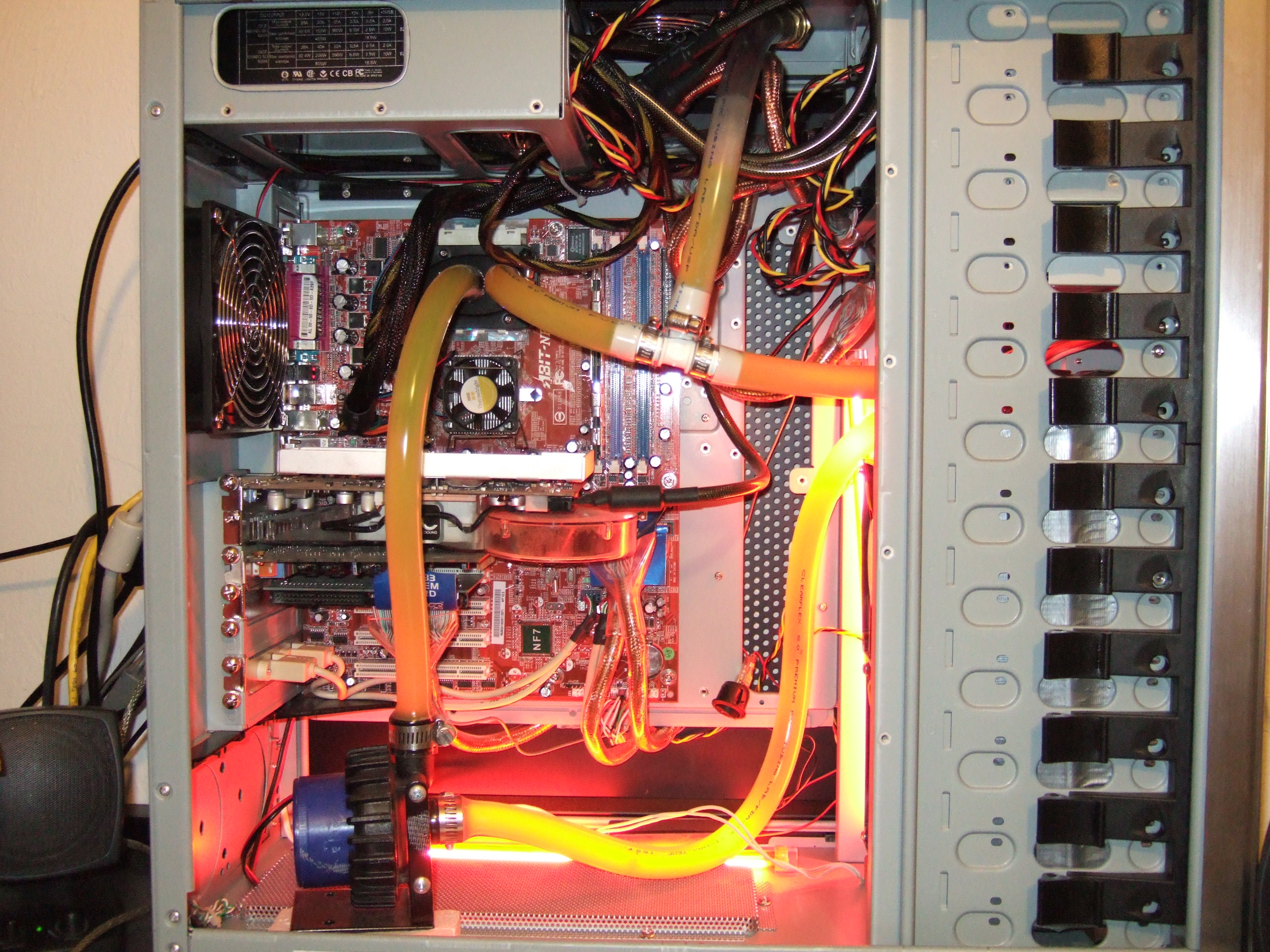
According to a PC Mag article, the current trend in DIY PC includes a lot of wires and components that are difficult to navigate in order to change parts, thus increasing the risk of damaging the unit if the one constructing it is not skilled enough. With the “Avalon,” wires are largely obsolete by making the installation of components like the graphics card and RAM plug-and-play. The motherboard is also a part of the chassis, which leads to a neater layout.
The “Avalon” is part of the Taiwanese company’s “Republic of Gaming” (ROG) branch, which focuses more on hardware meant for video game players or gamers. Since gamers are prone to upgrading their units regularly in order to keep up with the requirements of the latest games or to increase performance whenever they are playing against other players online, having an easier DIY setup is certainly a logical goal.







