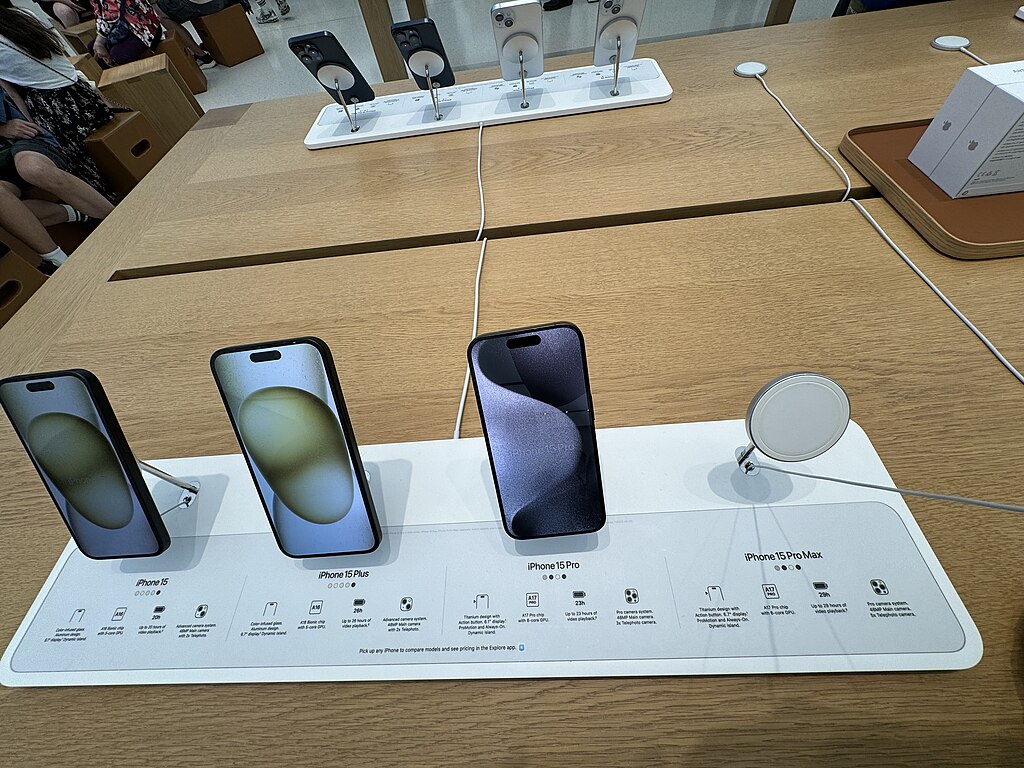
Apple’s iPhone shipments in China dropped 9% year-over-year in Q1 2025, making it the only major smartphone brand to report a decline, according to IDC. The U.S. tech giant shipped 9.8 million iPhones during the quarter, down from 10.8 million a year ago, shrinking its market share to 13.7% from 17.4%.
This marks Apple’s seventh consecutive quarter of declining shipments in the world’s largest smartphone market. IDC attributed the slump to Apple’s high pricing, which limited its ability to benefit from new government subsidies that fueled industry-wide growth.
In contrast, Xiaomi saw a 40% jump in shipments, reaching 13.3 million units and reclaiming its position as the top smartphone vendor in China. Overall, the market grew 3.3% in Q1, with local brands outperforming due to better alignment with consumer incentives.
The Chinese government introduced subsidies in January that reimburse consumers 15% on smartphones and select electronics priced below 6,000 yuan (approx. $820). Apple’s iPhones, mostly priced above this threshold, were largely ineligible for the discounts, giving domestic rivals an edge.
Apple’s ongoing struggles in China come as competition intensifies and local players gain ground with competitive pricing and improved features. IDC analyst Will Wong noted that Apple’s premium strategy continues to face headwinds in the Chinese market under current economic conditions.
At a conversion rate of $1 = 7.2931 yuan, Apple’s pricing strategy appears increasingly misaligned with emerging consumer preferences, highlighting a growing challenge in a critical global market.
As China’s smartphone industry rebounds with government support, Apple may need to revisit its pricing and localization strategies to stay competitive. The current trend underscores shifting market dynamics favoring value-driven brands over premium offerings.