


 OpenAI Expands Enterprise AI Strategy With Major Hiring Push Ahead of New Business Offering
  Nintendo Shares Slide After Earnings Miss Raises Switch 2 Margin Concerns
  AMD Shares Slide Despite Earnings Beat as Cautious Revenue Outlook Weighs on Stock
  SpaceX Reports $8 Billion Profit as IPO Plans and Starlink Growth Fuel Valuation Buzz
  Palantir Stock Jumps After Strong Q4 Earnings Beat and Upbeat 2026 Revenue Forecast
  Nvidia CEO Jensen Huang Says AI Investment Boom Is Just Beginning as NVDA Shares Surge
  Anthropic Eyes $350 Billion Valuation as AI Funding and Share Sale Accelerate
  Nvidia Nears $20 Billion OpenAI Investment as AI Funding Race Intensifies
  SpaceX Updates Starlink Privacy Policy to Allow AI Training as xAI Merger Talks and IPO Loom
  Alphabet’s Massive AI Spending Surge Signals Confidence in Google’s Growth Engine
  Oracle Plans $45–$50 Billion Funding Push in 2026 to Expand Cloud and AI Infrastructure
  Nvidia Confirms Major OpenAI Investment Amid AI Funding Race
  Global PC Makers Eye Chinese Memory Chip Suppliers Amid Ongoing Supply Crunch
  Elon Musk’s SpaceX Acquires xAI in Historic Deal Uniting Space and Artificial Intelligence


In rather disappointing news, Apple has postponed the release of watchOS 2, which was slated for release on Wednesday to owners of the Apple Watch, Techcrunch reports.
“We have discovered a bug in development of watchOS 2 that is taking a bit longer to fix than we expected,” an Apple spokesperson told TechCrunch. “We will not release watchOS 2 today but will shortly.”
Such last minute announcement by the technology giant was bound to raise many eyebrows. The bug or “glitch” is expected to have affected a relatively important system that compelled the company to hold an extensively publicized release.
The new operating system adds a variety of new features. It gives app developers the ability to directly access its sensors and stream data more efficiently between the iPhone and the watch. Other features include ability to travel through a timeline to check weather and appointments, receiving and sending emails, expanded Siri support, transit directions and many others.

- News

- Economy

- Central Banks
- Investing
- Research
- Roundups
- Digital Currency
- Insights
- Technical Analysis
- Technology
- Business
- Law
- Health
- Nature
- Fintech
- Science
- Topic
- Opinions
- ©Econometrics LLC . All Rights Reserved.
Apple delays watchOS 2 release due to bug
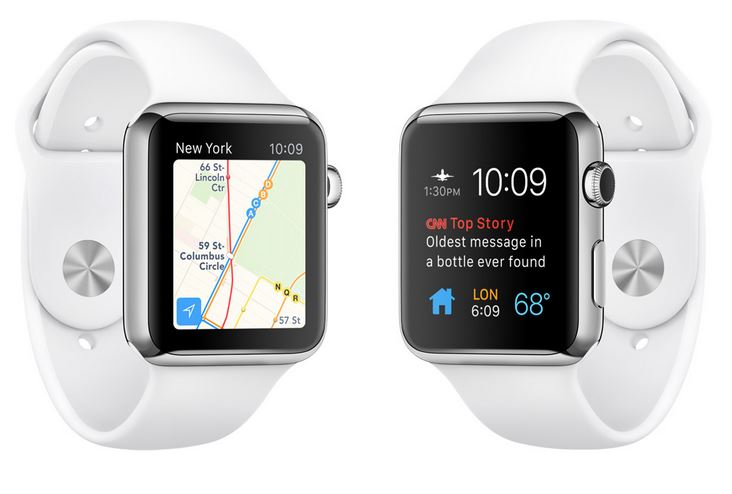
apple.com watchOS2 page screenshot
Thursday, September 17, 2015 10:23 AM UTC
Editor's Picks









- Market Data
Most Popular




