


 Meta CEO Zuckerberg Backs Independent AI Safety Reviews Over Development Slowdown
  US Northeast Airports Resume Operations After Telecom Outage Disrupts Thousands of Flights
  Trump Plans Federal AI Force and AI Czar
  Databricks to Invest $350 Million in Singapore AI Expansion
  DOJ Will Investigate AI-Related Crimes, Attorney General Blanche Says
  SK Hynix, Intel Discuss U.S. Memory Chip Production Deal
  OpenAI Urges US-Led Global Standards for Frontier AI
  Burnham Eyes UK Leadership Role in AI Ahead of Trump Meeting
  SpaceX Nasdaq 100 Weight to More Than Double in Rebalance
  AI is supercharging money scams – here’s what you can do to protect yourself
  Rosenblatt Starts Nokia at Buy on AI Networking Growth
  Scott Bessent Eyed as Trump’s New AI Czar
  China Reviews Broadcom Switch Use in State Data Centres
  Guterres Urges Stronger Global AI Safeguards Ahead of UN Assembly
  Meta Partners With Shopify to Bring Shop Pay Checkout to Muse AI
  MediaTek Unveils 2nm Dimensity 9600 Pro AI Chip
  Microsoft Stock Upgraded as Stifel Sees Stronger Azure Growth


 Add as a preferred source on Google
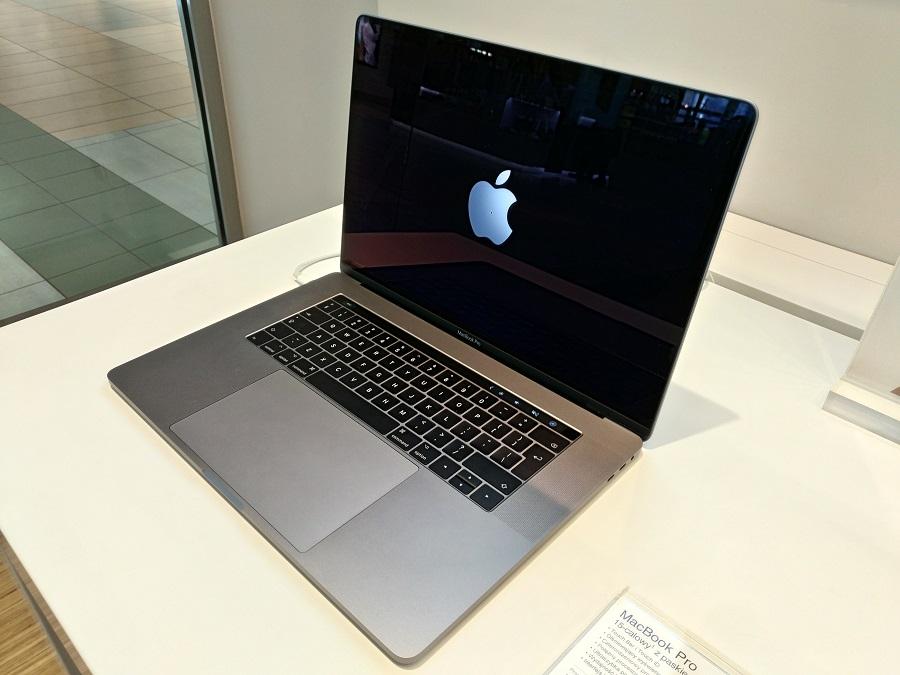
Any MacBook user that's considering getting a new MacBook in 2018 should seriously consider how the new, fourth-generation MacBook Pro 2018 stacks up against what we got back in 2016. At prices ranging from $1300 to $2700, brand loyalty may not be enough of a deal closer.
Released in 2016, the original fourth-generation MacBook Pros replaced Apple's function keys with an interactive, multi-touch "Touch Bar" and a Touch ID sensor integrated into the laptop's power button. The overall aesthetic design that the fourth-generation MacBook had spoken through a modern space-age sexiness that brought a thinner chassis, a thinner screen bezel, a larger trackpad, and a shallower keyboard all in either a 13-inch or 15-inch package that's almost half an inch in thickness.
Unfortunately, the first releases in 2016 also brought along issues such as the MacBook Pro's removal of full-sized USB ports and function keys in lieu of the new Touch Bar. When the fourth generation of MacBooks came out, they ultimately got a mixed reception from the public.
The primary usage of USB-C ports meant that adapters were needed to fully utilize the MacBook Pro with current full-sized USB hardware. But Mac aficionados should know by now that Apple has a fondness for their proprietary peripherals.
The MacBook Pro 2016's Touch Bar also received criticism due to its inclusion being meant to replace the role of the old function keys. The adoption of such a new feature for old functions took a while for users to get comfortable with, adding to the negative feedback from the public. Still, two years in, most MacBook users who have persisted with their purchases should know how the Touch Bar functions.
While the MacBook Pro 2016 does have decent tech backing it even with all the quality-of-life features it forced its users to adapt to, how does 2018's MacBook Pro stack up? A known Mac-oriented rumor website aptly called MacRumors recently unveiled a potential issue for memory recovery users of the MacBook Pro 2018 models.
While Apple's MacBooks have never been known for their repair and upgrade potential, instead relying upon their in-house customer and device insurance services, MacRumors shows that the MacBook Pro 2018 model has removed the data recovery port that older versions of the MacBook Pro had to supposedly use for Apple's T2 chip. Hopefully, this is a feature that any loyal Apple fan can learn to live with.







