


 Rubio Directs U.S. Diplomats to Use X and Military Psyops to Counter Foreign Propaganda
  China's AI Stocks Surge as Zhipu and MiniMax Hit Record Highs
  Bill Ackman Eyes New Fund to Bet Against Market Complacency
  Microsoft Eyes $7B Texas Energy Deal to Power AI Data Centers
  Alibaba Shares Slide as Jefferies Slashes Price Target Over AI Spending and Business Losses
  TSMC Posts Strong Q1 2025 Revenue, Riding AI Chip Demand Wave
  OpenAI Executive Shake-Up Ahead of Anticipated 2026 IPO
  U.S. Automakers Push Back Against EU Rules Blocking American Trucks from European Market
  Deere & Company Agrees to $99 Million Settlement Over Right-to-Repair Dispute
  Samsung Electronics Posts Eightfold Profit Surge Driven by AI Chip Demand
  Goldman Sachs, ANZ Cut Oil Forecasts Amid U.S.-Iran Ceasefire Hopes
  Bendigo and Adelaide Bank Posts Strong Q3 Earnings, Announces AI-Driven Job Cuts
  Apple Turns 50: From Garage Startup to AI Crossroads
  Tokyo Electric Power Attracts Major Investors Amid Billion-Dollar Restructuring Push
  Lumentum Holdings Rides AI Wave With Order Book Filled Through 2028
  Britain Courts Anthropic Amid US Defense Department Dispute
  California's AI Executive Order Pushes Responsible Tech Use in State Contracts


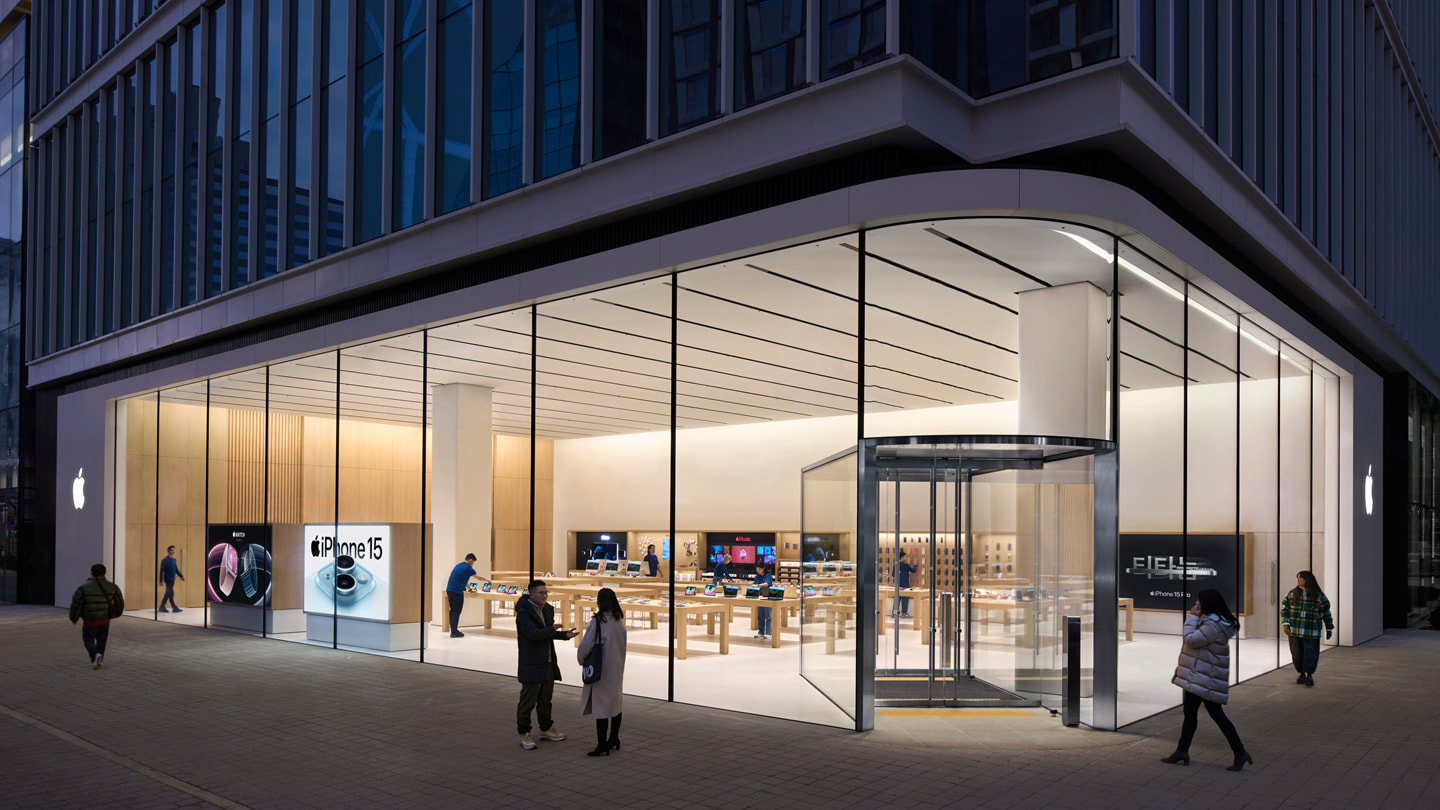
A shift of power on the global stage has also impacted China, the largest smartphone market worldwide. For the first time, Apple has emerged as the leading smartphone company in China, securing an impressive market share of 17.3% in 2023.
According to a report by the International Data Corporation(IDC), China's smartphone shipments reached 271.3 million units in 2023, experiencing a decline of 5.0% compared to the previous year. This decline can be attributed to a soft economic recovery and weak consumer sentiment.
Resilient Recovery in the Chinese Market
Notably, the Chinese smartphone market is gradually recovering, with the fourth quarter of 2023 (4Q23) witnessing a year-over-year growth of 1.2%. This growth, achieved through shipping 73.6 million units, marks the end of ten consecutive quarters of decline.
According to Reuters, the key drivers for this resurgence are the resilient high-end consumers residing in tier 1-3 cities, who have fueled demand for flagship products. However, the market's overall growth remains inhibited due to weak demand for low- to mid-range devices, which comprise over half of the Chinese smartphone market.
Apple's Spectacular Rise
Apple's ascent to the top spot in China's smartphone market in 2023 is remarkable, especially considering Huawei's renewed competition and the prevailing soft spending sentiment. With timely price promotions in its third-party channels, Apple stimulated demand and captured the top position.
Meanwhile, Honor was the number 2 player by strengthening its channel partnerships and implementing a comprehensive product strategy. Their successful foldable lineup dominated the high-end segment, while several popular models captured the low-to-mid range.
A significant highlight of Q4 2023 was Huawei's triumphant return to the top 5 ranking after a hiatus of over two years. This development intensifies the competition among vendors, as no one would want to lose their position in the world's largest smartphone market.
Market Challenges and Consumers' Role
The challenges in the Chinese smartphone market persist due to a sluggish economic recovery and weak consumer sentiment. However, high-end consumers residing in tier 1-3 cities are the foundation of a resilient recovery. Their demand for flagship products has driven growth, while the low- to mid-range segment still struggles to find traction, hindering the overall market expansion.
Photo: Apple Newsroom







