


 Sam Altman Reaffirms OpenAI’s Long-Term Commitment to NVIDIA Amid Chip Report
  Nvidia, ByteDance, and the U.S.-China AI Chip Standoff Over H200 Exports
  Anthropic Eyes $350 Billion Valuation as AI Funding and Share Sale Accelerate
  Tencent Shares Slide After WeChat Restricts YuanBao AI Promotional Links
  Baidu Approves $5 Billion Share Buyback and Plans First-Ever Dividend in 2026
  TSMC Eyes 3nm Chip Production in Japan with $17 Billion Kumamoto Investment
  Global PC Makers Eye Chinese Memory Chip Suppliers Amid Ongoing Supply Crunch
  AMD Shares Slide Despite Earnings Beat as Cautious Revenue Outlook Weighs on Stock
  Nvidia Confirms Major OpenAI Investment Amid AI Funding Race
  SpaceX Reports $8 Billion Profit as IPO Plans and Starlink Growth Fuel Valuation Buzz
  Nvidia CEO Jensen Huang Says AI Investment Boom Is Just Beginning as NVDA Shares Surge
  Nintendo Shares Slide After Earnings Miss Raises Switch 2 Margin Concerns
  SpaceX Prioritizes Moon Mission Before Mars as Starship Development Accelerates
  Elon Musk’s Empire: SpaceX, Tesla, and xAI Merger Talks Spark Investor Debate
  Alphabet’s Massive AI Spending Surge Signals Confidence in Google’s Growth Engine


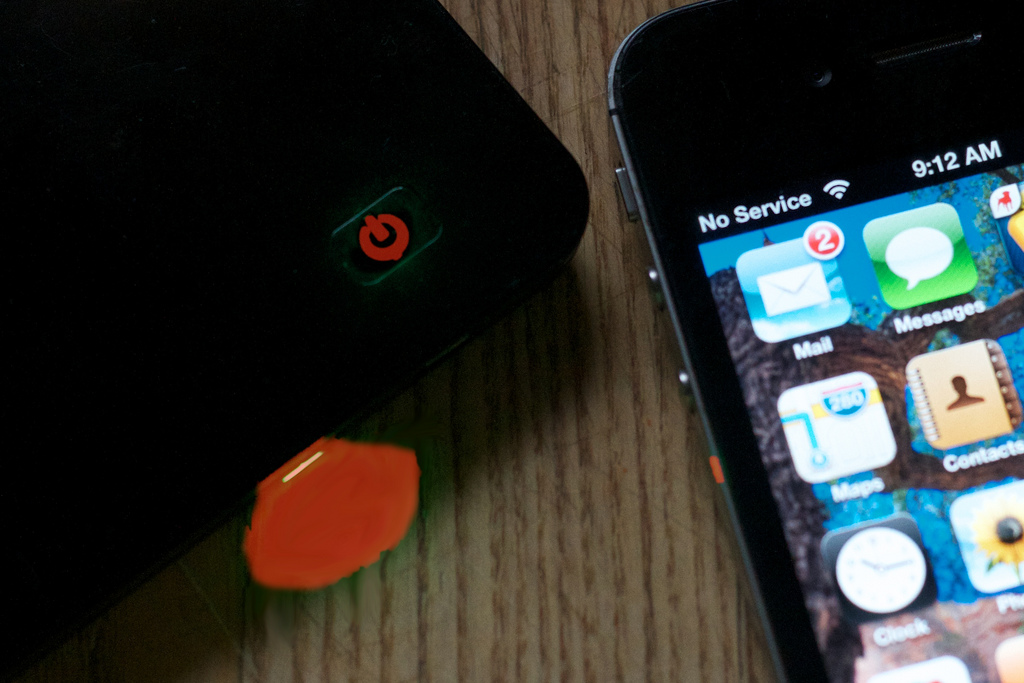
Signal strength bars have been a staple in mobile culture since the first mobile phones hit the market several decades ago. The more bars users had, the more secure they felt. The same still holds true today, but according to a new report, Android will allow carriers to hide the real signal on their customers’ phones. As to why they would do this, the reason is still unknown.
The new development was discovered by researchers over at XDA Developers last week, who noted that there are commits on the site of the Android Open Source Project, which essentially gives carriers the ability to manipulate the appearance of their signal strength.
Now, it’s worth pointing out that users can always download third-party apps that will tell them exactly what their signal strength is since they will be independent of the changes that carriers can make. However, for those who don’t download such apps because they are either unwilling or unaware of them, their carriers can only reveal the kind of signal strength that they want them to see.
“The commits we discovered show that the signal strength shown in “Sim Status” in settings may be restricted depending on the carrier. The signal strength shown in this menu is the actual numerical signal strength measured in dBm or asu. The lower the dBm number, the worse the device’s network signal is. This signal strength value is approximated with the 5 signal bars shown in the status bar, though obviously 5 bars doesn’t tell you exactly how bad or good your signal really is,” the report reads.
As NDTV points out, one way that this could benefit carriers is by basically manipulating the impression or evaluation that their customers make. After all, many users decide which carriers to get or stay with or switch to based on their signal strength. By removing this factor from the equation, customers could stop comparing.













