


 SpaceX Updates Starlink Privacy Policy to Allow AI Training as xAI Merger Talks and IPO Loom
  Palantir Stock Jumps After Strong Q4 Earnings Beat and Upbeat 2026 Revenue Forecast
  Elon Musk’s SpaceX Acquires xAI in Historic Deal Uniting Space and Artificial Intelligence
  Nintendo Shares Slide After Earnings Miss Raises Switch 2 Margin Concerns
  Amazon Stock Rebounds After Earnings as $200B Capex Plan Sparks AI Spending Debate
  Oracle Plans $45–$50 Billion Funding Push in 2026 to Expand Cloud and AI Infrastructure
  AMD Shares Slide Despite Earnings Beat as Cautious Revenue Outlook Weighs on Stock
  Elon Musk’s Empire: SpaceX, Tesla, and xAI Merger Talks Spark Investor Debate
  Nvidia Confirms Major OpenAI Investment Amid AI Funding Race
  Nvidia CEO Jensen Huang Says AI Investment Boom Is Just Beginning as NVDA Shares Surge
  Instagram Outage Disrupts Thousands of U.S. Users
  Google Cloud and Liberty Global Forge Strategic AI Partnership to Transform European Telecom Services
  Sony Q3 Profit Jumps on Gaming and Image Sensors, Full-Year Outlook Raised
  Anthropic Eyes $350 Billion Valuation as AI Funding and Share Sale Accelerate
  SoftBank and Intel Partner to Develop Next-Generation Memory Chips for AI Data Centers
  Nvidia, ByteDance, and the U.S.-China AI Chip Standoff Over H200 Exports


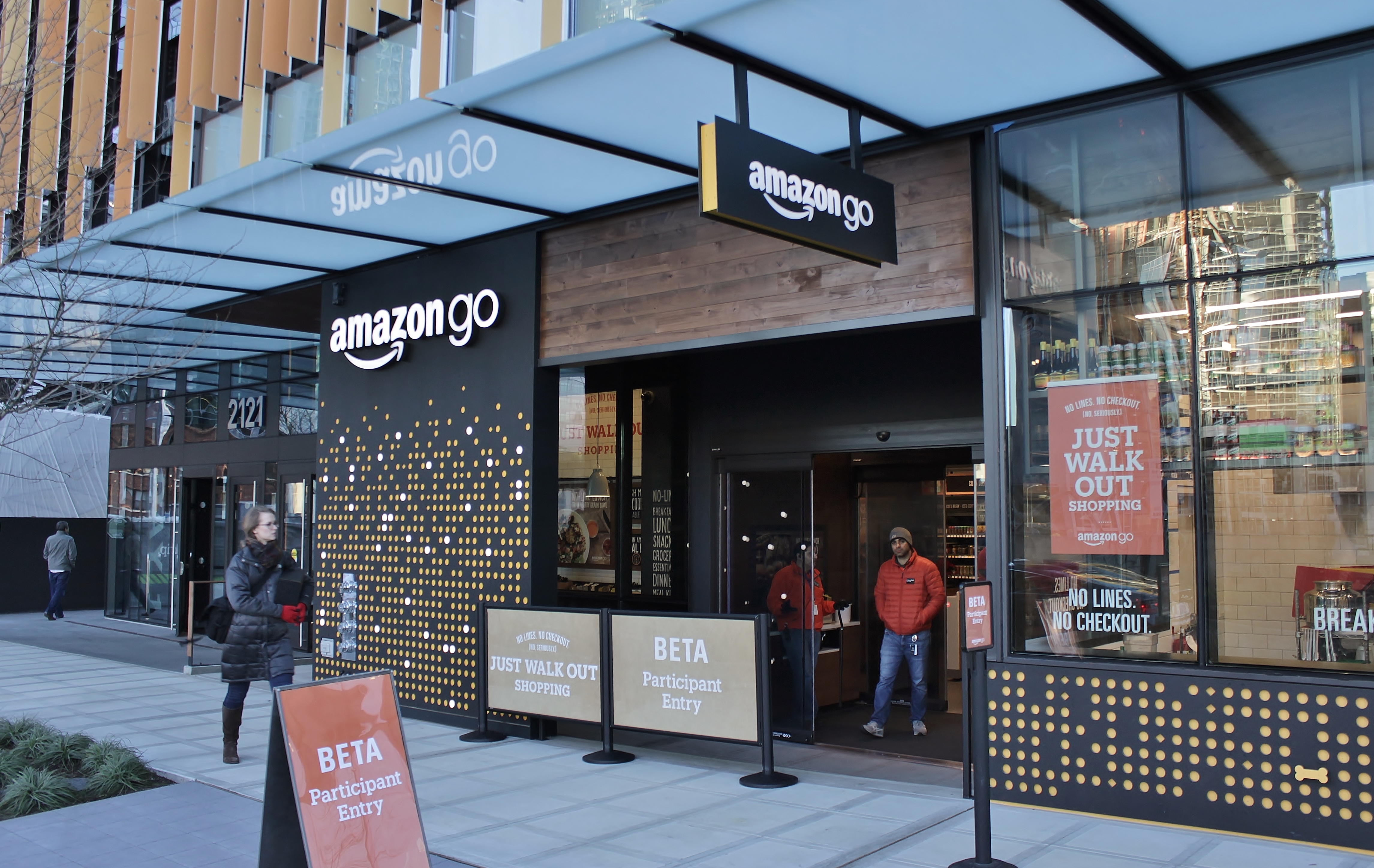
The prospect of Amazon opening a physical store where customers can just come in to purchase goods without having to deal with cashiers has been in the public sphere of consciousness for some time. Now that the first Amazon Go establishment is finally open in Seattle, the dream has just been made a reality. Some see the development as an opportunity while others consider it a nightmare.
As Bloomberg reports, the new Amazon Go store could be the first in a new storm of retail trends to take over the industry. While it is still in its early stages and adoption is expected to be slow since this is a brick and mortar arrangement, the advantages in terms of convenience and the absence of long lines could make the store a winning concept.
Then again, there are also some rather disturbing implications that come with all of those benefits. As Popular Mechanics reports, the whole thing works via machine learning and computer vision.
Customers walk into the store, get scanned to have their own QR codes, which will then trigger the store’s cameras to start monitoring what they do. The technology is apparently so sophisticated, it can recognize individual products as customers take them off the shelves, which they will then place on that customer’s bill.
Once the customer is done, all they would need to do is walk out of the store with their items and the machines will charge them accordingly. Such an arrangement has staggering implications for retail stores and not all of it is good.
There’s the matter of privacy, for example, which can never be possible inside an Amazon Go store or any store equipped with such advanced camera technology. Everything would be up for analysis and deconstruction within its field of view, even for those who are outside the premises. The fact that people could be potentially fine with this in exchange for the convenience is also what has experts worried.













