


 China Keeps Loan Prime Rates Unchanged for 13th Straight Month as Policymakers Prioritize Credit Demand Recovery
  US Dollar Hits One-Year High as Hawkish Fed Outlook Overshadows Middle East Developments
  UBS "이 미국 도시, 부동산 거품 위험 가장 높아"
  영국 대형 투자자들, 미국 부동산 가격 하락 시 매수 준비
  A ‘sponge city’ may be your home in 2050
  Colorado takes a new – and likely more effective – approach to the housing crisis
  Australia to Ban Foreign Investors from Buying Existing Homes to Boost Housing Supply
  Bessent Says U.S. Must Strengthen Supply Chains and Economic Security
  Interim housing isn't just a roof and four walls. Good design is key to getting people out of homelessness
  Debunking myths about community housing: What governments and the public should know
  Singapore Inflation Stays Muted in May as Core CPI Misses Forecasts Ahead of MAS Review
  Why you may not be able to get on the housing ladder or buy a bigger home in 2024
  Japan, U.S. Discuss Yen Weakness as Currency Intervention Concerns Grow
  Sharehousing can be fun, but fraught with risk – and the law offers little protection. These 3 changes could help


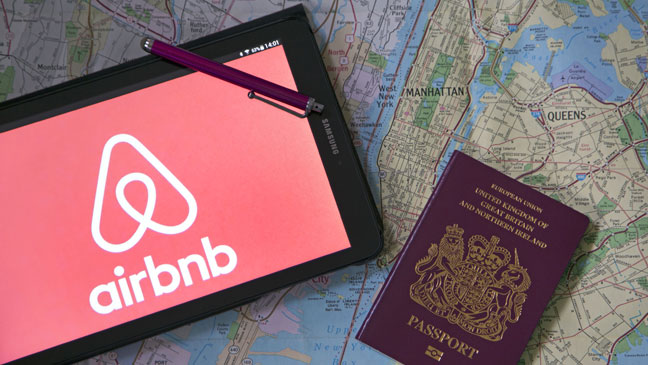
A number of Airbnb hosts in the United States are planning to sell their properties as well as the furnishings they bought to adorn their homes due to the financial fallout from the pandemic.
Canceled bookings cost hosts to lose thousands of dollars a month while maintenance costs, bills, and mortgage payments pile up, prompting them to make drastic decisions.
According to an Airbnb spokesperson, they are striving to support their community, including providing a $250 million support for hosts who were burdened by coronavirus-related cancellations and $17 million to their "Super Host Relief Fund."
Airbnb, which was planning to make its Wall Street debut this year, had to lay off about 25 percent of its workforce and has struggled to appease the hosts.
The company assures hosts in late March that they would get 25 percent of what they would usually redeem through cancellation policies. Still, some hosts claimed the policy wasn't much of a help, or that they received smaller payments than promised.







