


 SpaceX Eyes Historic IPO at $1.75 Trillion Valuation
  Microsoft's $10 Billion Japan Investment: AI Infrastructure and Data Sovereignty Push
  Samsung Electronics Posts Eightfold Profit Surge Driven by AI Chip Demand
  Alibaba Shares Slide as Jefferies Slashes Price Target Over AI Spending and Business Losses
  Bank of America Identifies Top Asia-Pacific Semiconductor Stocks Poised for AI-Driven Growth
  OpenAI Executive Shake-Up Ahead of Anticipated 2026 IPO
  Bendigo and Adelaide Bank Posts Strong Q3 Earnings, Announces AI-Driven Job Cuts
  U.S. Disrupts Russian Military Hackers' Global DNS Hijacking Network
  Microsoft Eyes $7B Texas Energy Deal to Power AI Data Centers
  NASA's Artemis II Mission: First Crewed Lunar Journey Since Apollo
  MATCH Act Targets ASML and Chinese Chipmakers in New U.S. Export Crackdown
  Lumentum Holdings Rides AI Wave With Order Book Filled Through 2028
  Apple's Foldable iPhone Faces Engineering Setbacks, Mass Production Timeline at Risk
  China vs. NASA: The New Moon Race and What's at Stake by 2030
  China's Push to Steal Taiwan's Chip Technology and Talent Raises Security Alarms


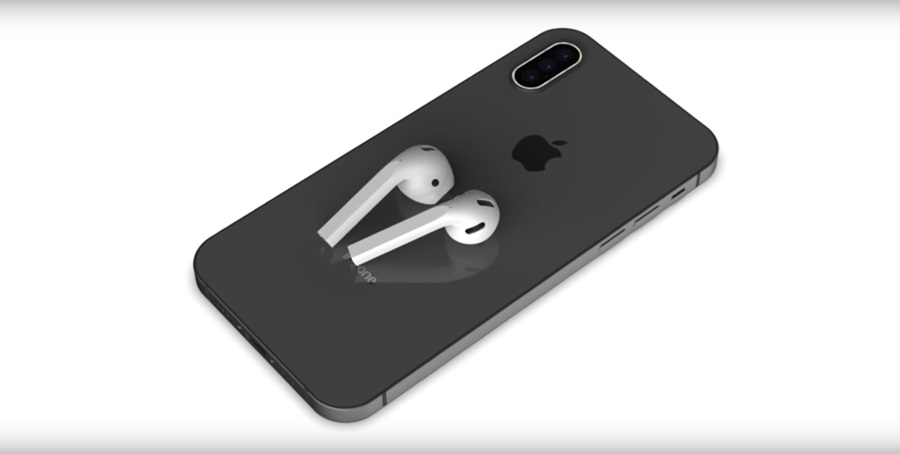
The AirPods 2 is considered one of Apple’s most underwhelming product recently as the Cupertino-based company did little to improve its second-generation wireless earphones. It also doesn’t help Apple that the web has been rife with rumors about the supposed groundbreaking features of the AirPods 2, increasing people’s expectation of the device only to be spectacularly let down.
So what did Apple did right for this new variant? There are four features that separate the AirPods 2 from its predecessor. Its battery life is longer, it has wireless charging, faster connectivity, and includes Siri. The question is whether or not these upgrades are enough to justify people from switching from the first version to the second.
The answer to that is a hard no. While all the features mentioned above are a welcome addition, the biggest flaw of AirPods 2 is its sound quality. The verdict has come in and the first and second generation wireless earphones sounds completely the same. This means that it will not be blocking out ambient noise so listening to podcasts during a trip on a train isn’t as satisfying as using earbuds.
The AirPods 2’s design also mirrors that of its predecessor, which makes it difficult to tell what variant a person is using. Not that it actually matters but some people are buying Apple products so they can show off the device.
With the AirPods 2, that’s impossible to do unless someone witnesses the user interacting with the earphones through Siri. Simply put, the second-gen wireless earphones are underwhelming at best and there’s little incentive to upgrade from the first version to the latest one.
To make matters worse for Apple, the Samsung Galaxy Earbuds is priced more aggressively than the AirPods 2. The former is only sitting at $130 while the AirPods 2 with the wireless charging case is hovering at $199. So to wrap things up, Apple may have shot itself on the foot with this one for having outfitted their latest wireless earphones with underwhelming features. Hopefully, the company figure things out in the future and provide a more satisfying product for its customer base in the next version.







