


 California's AI Executive Order Pushes Responsible Tech Use in State Contracts
  Cybersecurity Stocks Tumble After Anthropic's Claude Mythos AI Leak Sparks Market Fears
  NASA's Artemis II Crew Arrives in Florida for Historic Moon Mission
  Elon Musk Ties SpaceX IPO Access to Mandatory Grok AI Subscriptions
  Apple Turns 50: From Garage Startup to AI Crossroads
  Samsung Electronics Eyes Record Q1 Profit Amid AI-Driven Chip Boom
  Bank of America Identifies Top Asia-Pacific Semiconductor Stocks Poised for AI-Driven Growth
  Alibaba Shares Slide as Jefferies Slashes Price Target Over AI Spending and Business Losses
  OpenAI Executive Shake-Up Ahead of Anticipated 2026 IPO
  Microsoft's $10 Billion Japan Investment: AI Infrastructure and Data Sovereignty Push
  China vs. NASA: The New Moon Race and What's at Stake by 2030
  China's Push to Steal Taiwan's Chip Technology and Talent Raises Security Alarms
  Rubio Directs U.S. Diplomats to Use X and Military Psyops to Counter Foreign Propaganda
  China's AI Stocks Surge as Zhipu and MiniMax Hit Record Highs
  Apple's Foldable iPhone Faces Engineering Setbacks, Mass Production Timeline at Risk


Representatives from both AT&T and Time Warner answered the summons by the U.S. Senate on Wednesday to make their case with regards to their proposed merger. The arrangement would be worth $85 billion to the companies, so they came prepared with all the usual rhetoric about innovation, competition, and investment. However, even with such a lackluster drilling by the panel facing them, the companies still managed to make counterarguments to their own points.
The senate panel that faced the two telecom companies was made up of Republicans and Democrats, The Wall Street Journal reports, which made the discrepancy between the two parties incredibly clear with the direction of their questions. On the Democrat side, representatives from the two companies were faced with some tough questions. The Republican senators, on the other hand, were practically using kid gloves.
This reaction is not exactly atypical of members of the conservative party since they have always been pro-business and anti-regulation. However, the particularly soft approach by the Republicans on the panel seems to be in direct contrast to the message that Donald Trump was spouting during his run for the presidency.
In any case, it would seem that the companies didn’t think they would have much trouble getting their point across with the Republican-run senate, spewing the same antitrust language that has become all too common in a capitalist market. By doing so, however, The Verge argues that AT&T and Time Warner actually strengthened the cause of maintaining an open internet.
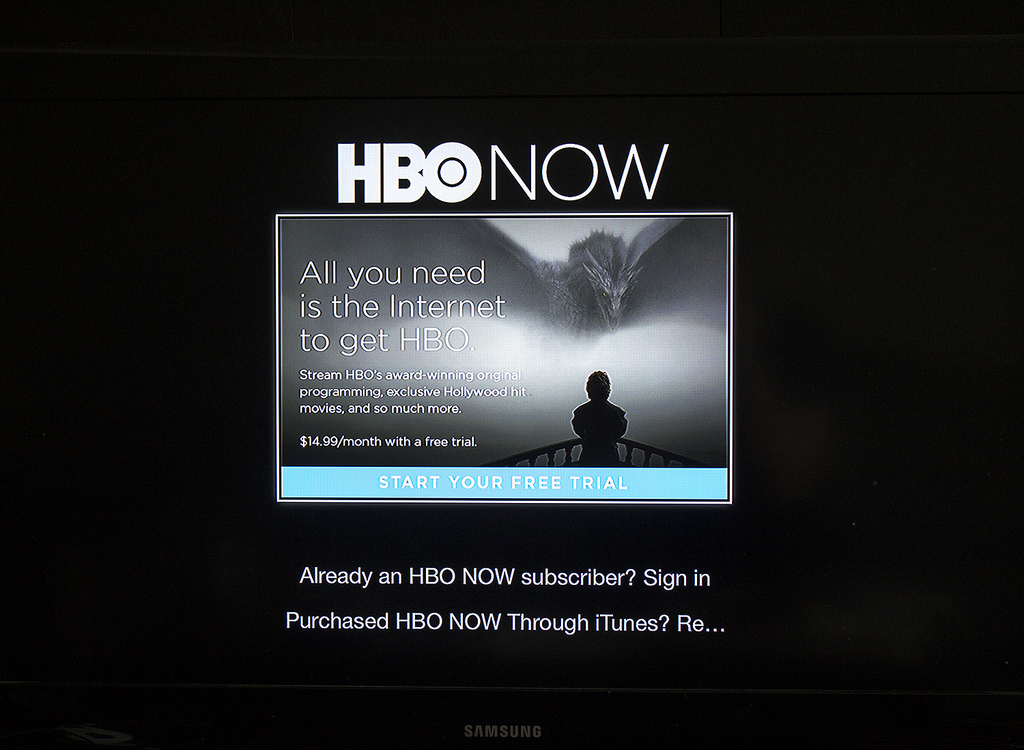
For example, AT&T CEO Randall Stephenson said that the merger would disrupt current pay for TV business models, but Time Warner’s HBO Now is already doing this. He also stressed that the merger would pave the way for providing more content and lower prices, but he did not lay out the reasons why a merger would be necessary to accomplish this in the first place.
As for Time Warner, CEO Jeff Bewkes said that the merger would allow them to achieve the widest distribution opportunity since theirs is a video content company. However, HBO Now already accomplishes this and it was done without the need for a merger.







