


 Nvidia, ByteDance, and the U.S.-China AI Chip Standoff Over H200 Exports
  Alphabet’s Massive AI Spending Surge Signals Confidence in Google’s Growth Engine
  Baidu Approves $5 Billion Share Buyback and Plans First-Ever Dividend in 2026
  Elon Musk’s Empire: SpaceX, Tesla, and xAI Merger Talks Spark Investor Debate
  OpenAI Expands Enterprise AI Strategy With Major Hiring Push Ahead of New Business Offering
  FDA Targets Hims & Hers Over $49 Weight-Loss Pill, Raising Legal and Safety Concerns
  Global PC Makers Eye Chinese Memory Chip Suppliers Amid Ongoing Supply Crunch
  Instagram Outage Disrupts Thousands of U.S. Users
  TSMC Eyes 3nm Chip Production in Japan with $17 Billion Kumamoto Investment
  Tencent Shares Slide After WeChat Restricts YuanBao AI Promotional Links
  Sony Q3 Profit Jumps on Gaming and Image Sensors, Full-Year Outlook Raised
  SoftBank Shares Slide After Arm Earnings Miss Fuels Tech Stock Sell-Off
  Jensen Huang Urges Taiwan Suppliers to Boost AI Chip Production Amid Surging Demand
  Uber Ordered to Pay $8.5 Million in Bellwether Sexual Assault Lawsuit
  Nvidia CEO Jensen Huang Says AI Investment Boom Is Just Beginning as NVDA Shares Surge


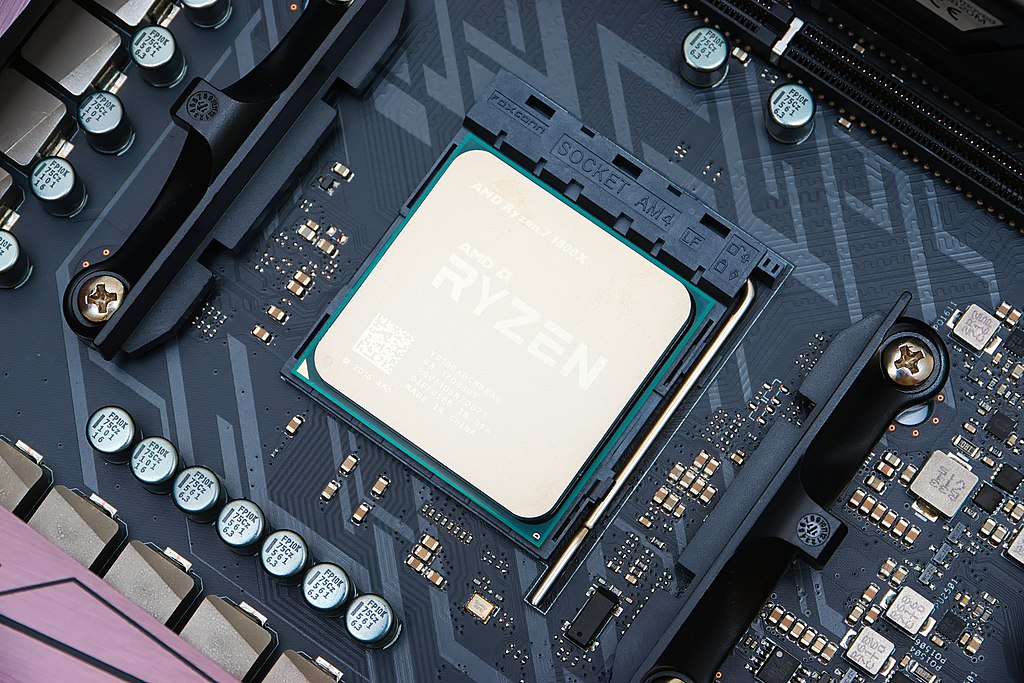
Advanced Micro Devices (NASDAQ:AMD) CEO Lisa Su confirmed on Tuesday that the company is prepared to begin chip production at its Arizona facility. Speaking at National Taiwan University in Taipei, Su emphasized AMD's commitment to scaling up U.S.-based manufacturing, particularly for AI servers, as demand in the artificial intelligence sector continues to surge.
This move comes as geopolitical and economic factors reshape the global semiconductor landscape. Su's statement aligns with the broader trend of tech giants localizing production to mitigate supply chain risks and meet growing domestic requirements.
AMD, a major supplier of PC processors and data center chips, currently relies heavily on Taiwan Semiconductor Manufacturing Company (TSMC) for its chip production. TSMC, the world’s leading contract chip manufacturer, remains a critical partner for AMD, although the Arizona expansion signals a strategic shift toward U.S. self-sufficiency.
The timing coincides with U.S. President Donald Trump’s recent announcement that a new tariff rate on imported semiconductors will be revealed this week. Trump hinted at potential flexibility for certain companies, possibly in response to industry concerns about increased costs and supply chain disruptions.
AMD’s Arizona plant is expected to play a vital role in securing its position in the competitive AI hardware market. As AI adoption accelerates across industries, domestic production of high-performance chips has become a national priority.
The U.S. government has been encouraging semiconductor companies to invest in domestic fabrication through initiatives like the CHIPS Act, offering incentives and grants to reduce dependency on foreign manufacturing.
With its Arizona facility set to go live, AMD is positioning itself to meet both technological and geopolitical demands, bolstering its capabilities in AI chip production while navigating upcoming trade policies.













