


 SpaceX Seeks FCC Approval for Massive Solar-Powered Satellite Network to Support AI Data Centers
  Alphabet’s Massive AI Spending Surge Signals Confidence in Google’s Growth Engine
  Elon Musk’s Empire: SpaceX, Tesla, and xAI Merger Talks Spark Investor Debate
  Oracle Plans $45–$50 Billion Funding Push in 2026 to Expand Cloud and AI Infrastructure
  Nvidia Nears $20 Billion OpenAI Investment as AI Funding Race Intensifies
  SpaceX Prioritizes Moon Mission Before Mars as Starship Development Accelerates
  Elon Musk’s SpaceX Acquires xAI in Historic Deal Uniting Space and Artificial Intelligence
  Baidu Approves $5 Billion Share Buyback and Plans First-Ever Dividend in 2026
  Palantir Stock Jumps After Strong Q4 Earnings Beat and Upbeat 2026 Revenue Forecast
  Instagram Outage Disrupts Thousands of U.S. Users
  Anthropic Eyes $350 Billion Valuation as AI Funding and Share Sale Accelerate
  Sony Q3 Profit Jumps on Gaming and Image Sensors, Full-Year Outlook Raised
  Nvidia Confirms Major OpenAI Investment Amid AI Funding Race
  Global PC Makers Eye Chinese Memory Chip Suppliers Amid Ongoing Supply Crunch
  Nvidia CEO Jensen Huang Says AI Investment Boom Is Just Beginning as NVDA Shares Surge
  SoftBank and Intel Partner to Develop Next-Generation Memory Chips for AI Data Centers
  SoftBank Shares Slide After Arm Earnings Miss Fuels Tech Stock Sell-Off


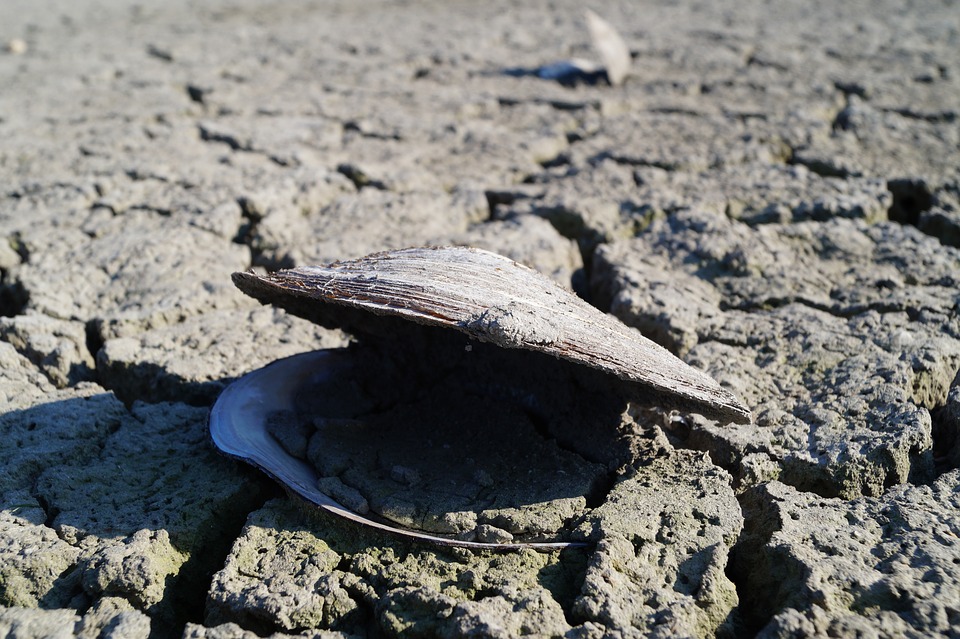
In recent years, the world bore witness to the intense heat that the planet is under, with record-breaking droughts and wildfires afflicting developing and developed countries alike. According to a new study, an increase in the world’s temperature by 2°C would significantly increase the number and intensity of these events, compared to a 1.5°C.
The new study was conducted by University of East Anglia researchers, which indicates that more than a quarter of the planet would see an increase in dryness if the world’s temperature goes up by 2°C. The researchers published their paper in Nature magazine, arguing that keeping the increase to 1.5°C would significantly slow down this process.
“On the basis of the ensemble median ToEA [time of emergence for aridification] for each grid cell, aridification emerges over 32% (RCP4.5) and 24% (RCP8.5) of the total land surface before the ensemble median of global mean temperature change reaches 2 °C in each scenario. Moreover, ToEA is avoided in about two-thirds of the above regions if the maximum global warming level is limited to 1.5 °C,” the paper reads.
Aridity is basically how scientists measure the dryness of regions, which can have a significant effect on habitability, the ecosystem, and agriculture, among other things. As one of the authors of the study, Dr. Chang-Eui Park notes, an increase in aridity could have a devastating impact on food, water, and shelter, Phys.org reports.
"Aridification is a serious threat because it can critically impact areas such as agriculture, water quality, and biodiversity. It can also lead to more droughts and wildfires - similar to those seen raging across California,” Dr. Park said.
While it’s true that reducing the temperature increase would benefit some countries more than others, this is still a global threat. This especially concerning for countries that import most of their food and goods.













