


 Bitcoin Eyes USD 80,000 Milestone: Institutional ETF Surge Fuels Bullish Breakout Momentum
  Rise of the Zombie Bugs takes readers on a jaw-dropping tour of the parasite world
  Crude Cool-Down: Easing Supply Fears and Strategic Reserves Dampen Energy Rally
  LA fires: Long-term exposure to wildfire smoke is poorly understood − and a growing risk
  An unexpected anomaly was found in the Pacific Ocean – and it could be a global time marker
  How is Antarctica melting, exactly? Crucial details are beginning to come into focus
  GesiaPlatform Launches Carbon-Neutral Lifestyle App ‘Net Zero Heroes’
  Drug pollution in water is making salmon take more risks – new research
  How to create a thriving forest, not box-checking ‘tree cover’


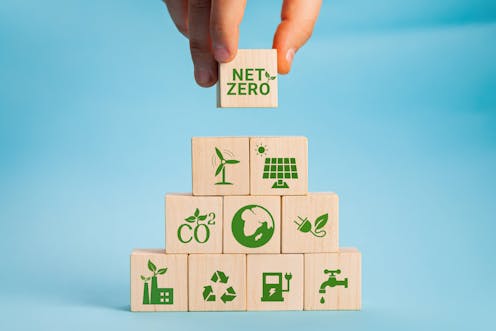

Jargon is hard to decipher. And when it comes to climate science, it’s rife. So, we’ve teamed up with top climate experts to explain the meaning, and the context, of some of the most crucial terminology.
The Conversation’s new quick climate dictionary explains the meaning of everything from blue carbon to carbon footprint. It will help you understand the difference between net zero and carbon neutral, and make obscure concepts like “loss and damage” more relevant and digestible.
As new terms become more mainstream, we’ll endeavour to translate them for you in this ongoing series. More than a glossary, each video is a bitesize explainer, using simple language that’s accessible to all.
To begin with, Mark Maslin, professor of earth systems science at UCL, explains that net zero is the point at which “no extra greenhouse gases are accumulating in the atmosphere”. As he says: “That’s really important for limiting climate change.”
Mark Maslin explains the meaning of net zero.
Also, I put my wellies on and head to the very muddy foreshore to explain the meaning of blue carbon – the carbon that can be absorbed and stored by plants in the ocean. Spoiler alert: it’s in more than just pretty mangroves.
Anna Turns explains the term ‘blue carbon’.
Above all, this isn’t about the doom and gloom of an existential threat. An optimistic thread of solutions runs throughout this dictionary – improving climate literacy is the first step to amplifying innovations, making progress and scaling up serious climate action.
This dictionary will grow over the coming months, so check out our YouTube playlist. I hope you find it useful and uplifting.
Disclosure statement:
Mark Maslin is Pro-Vice Provost of the UCL Climate Crisis Grand Challenge. He is co-director of the London NERC Doctoral Training Partnership and a member of the Climate Crisis Advisory Group. He is an advisor to Sheep Included Ltd, Lansons, NetZeroNow and the UK Parliament. He has received grant funding from the NERC, EPSRC, ESRC, DFG, Royal Society, DIFD, BEIS, DECC, FCDO, Innovate UK, Carbon Trust, UK Space Agency, European Space Agency, Research England, Wellcome Trust, Leverhulme Trust, CIFF, Sprint2020, and British Council. He has received funding from the BBC, Laithwaites, Seventh Generation, Channel 4, JLT Re, WWF, Hermes, CAFOD, HP and Royal Institute of Chartered Surveyors.













