[Tel-Aviv, Israel, December 14, 2020] A new production line allows Variscite, a leading System-on-Module solutions provider, to meet the growing demand of the medical market during the Covid-19 pandemic crisis and adopt new production methodologies to keep the employees safe.
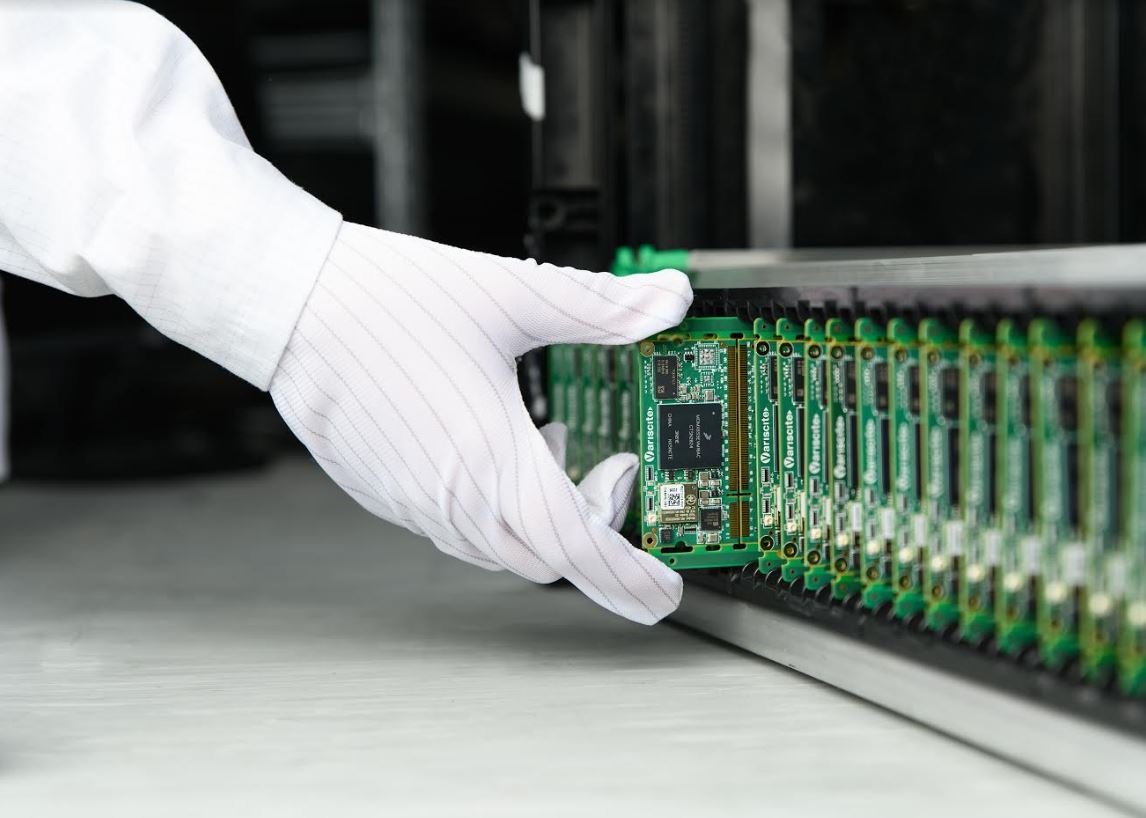
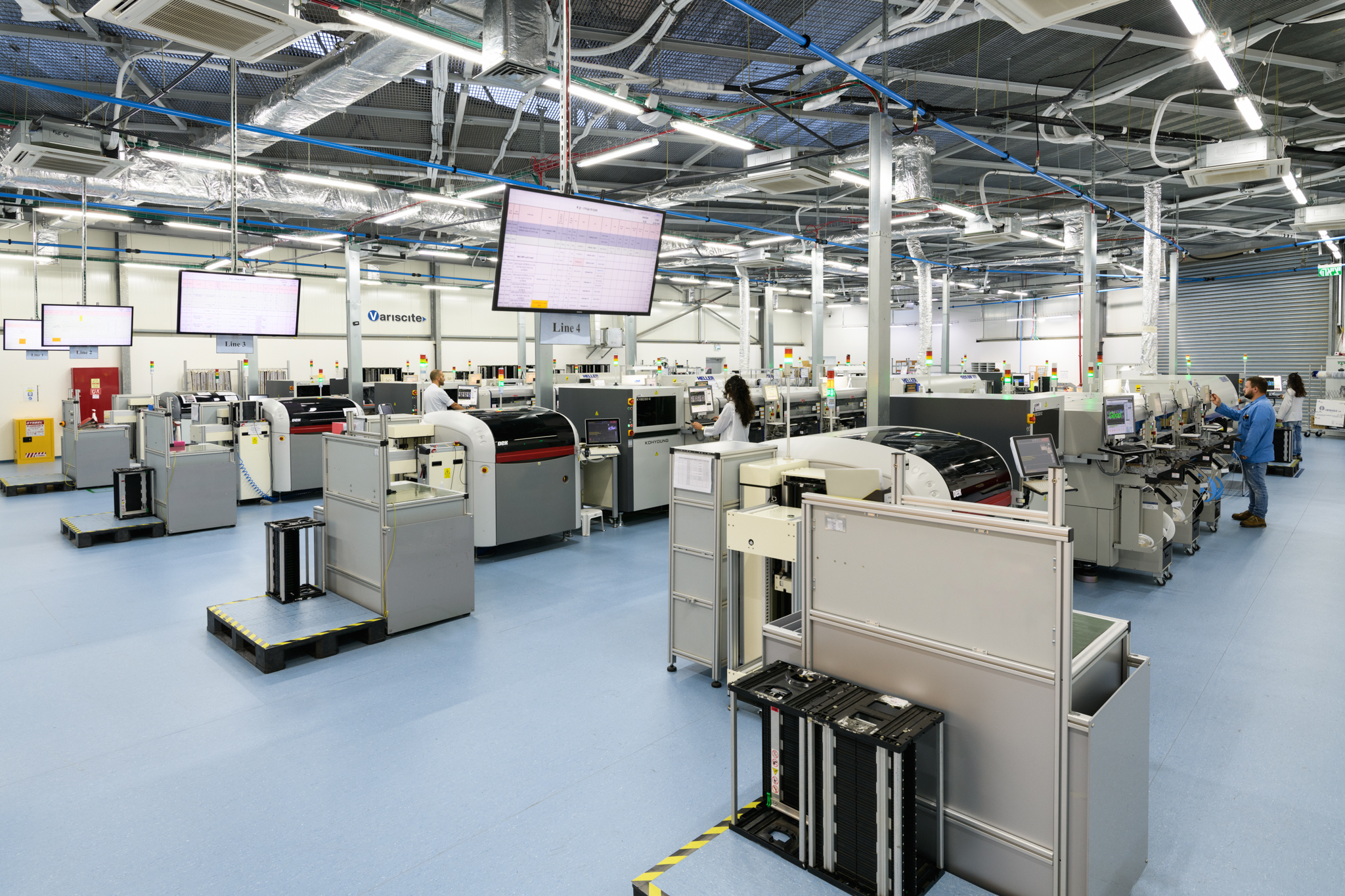
Variscite has completed the setup of a new production line at its production plant, which allows the company to increase its annual production of System on Module products as well as provide an immediate response to the market's demand.
Variscite is a leading ARM-based System on Module (SoM) provider, focusing on solutions that meet the strict standards of medical segments and other industrial sectors. The company is servicing thousands of satisfied customers worldwide, targeting numerous embedded end-products and applications such as robotics, smart home and IoT devices, agriculture equipment, medical equipment, industrial systems, and more.
The company has been growing steadily in recent years and is shipping today more than triple the number of modules it did just three years ago.
The demand for System on Module solution during the Covid-19 crisis
According to Variscite's CEO, Mr. Ohad Yaniv, the production line was ordered before the Covid-19 crisis, in light of the company's growth in recent years and the forecast for contentious growth in 2020. However, the implementation began after the COVID-19 crisis outbreak and was only recently completed. Following the installation of the new production line, the company's production margin expanded even further to allow more flexibility and improved quality of service to Variscite's customers. "The COVID-19 has led to an increase in orders, mainly due to high-volume orders from our customers in the medical sector. The new production line also allows Variscite to follow the social distancing guidelines that include working in capsules and shifts while meeting the increased demand." Says Yaniv.
The System on Module market is a growing, multi-player market
The company is a leading strategic partner of NXP and the only SoM vendor to join NXP's Platinum Partner membership, which gives the company early access to new NXP i.MX application processors before they hit the market. Thanks to this successful collaboration, Variscite is the only SoM manufacturer in the world that launches a full range of i.MX8 products at the same time that NXP launches its new processors.
The company operates in a growing market. According to Yaniv, the current global SoM market is estimated at $ 2 billion, and it is growing at a rate of about 15% per year. Variscite is traditionally focused on ARM-based solutions that experience even higher year-over-year market share growth, thus expected to exceed the over SoM market growth forecasts.
Yaniv: "Product manufacturers are increasing their reliance on SoM because it allows them to focus on their intellectual property instead of computer board development, its operation, and system support. The customer saves development costs of several man-years as well as technical support costs throughout the end-product life cycle. The customer also receives a software package that has passed all our strict internal validation and technical support by engineers. Because we provide the computer that drives our customers' systems, we are committed to manufacturing it for up to 15 years."
What are the major trends in the System on Module market?
"We see a demand for a wide range of features: advanced user interfaces, graphical monitors, network and sensors connectivity options. There are no "dumb" products on the market anymore; even coffee machines have a big touch screen that can display graphical information and demo videos to the users."
How do you experience the development of artificial intelligence?
"We recently launched two System on Modules based on a new NXP processor, the i.MX 8M Plus that includes machine learning capabilities, we are already experiencing high demand for utilizing these capabilities. We have already started the process of accumulating the knowledge and experience to support customers who would like to take advantage of this area in our target markets."
This article does not necessarily reflect the opinions of the editors or management of EconoTimes