


 Putin Visits Disputed Kuril Island, Sparking Strong Protest From Japan
  DNC Makes South Carolina First in 2028 Democratic Primaries
  US Admiral Visits USS Abraham Lincoln as Carrier Prepares to End Deployment
  Israel Warned US of Alleged Iran Plot to Assassinate Trump
  Iran Eyes New Development Bank Membership as BRICS Pushes Local Currency Trade
  Israeli Troops Enter Qusra Homes as Settler Siege Intensifies
  Albanese Says AUKUS ‘Full Steam Ahead’ After Trump Call
  Missile Threat Forced Trump to Secretly Switch Air Force One in Turkey
  Israeli Troops Enter Qusra Homes as West Bank Settler Siege Continues
  Haftar Helps Broker Release of American Hostage Held by ISIS Affiliate
  Trump Orders U.S. Navy to Return to Steam Catapults for Aircraft Carriers
  Canada-US Trade Talks Gain Momentum Ahead of Aug. 19 Tariff Deadline
  North Korea Slams US-South Korea Drills, Vows Stronger Nuclear Deterrence
  Trump Imposes New Tariffs on Drone Imports Over US Security Concerns
  Meloni Loses Ground Among Young Italian Voters Ahead of 2027 Election
  Trump Orders Major Overhaul of US Navy Shipbuilding


 Add as a preferred source on Google
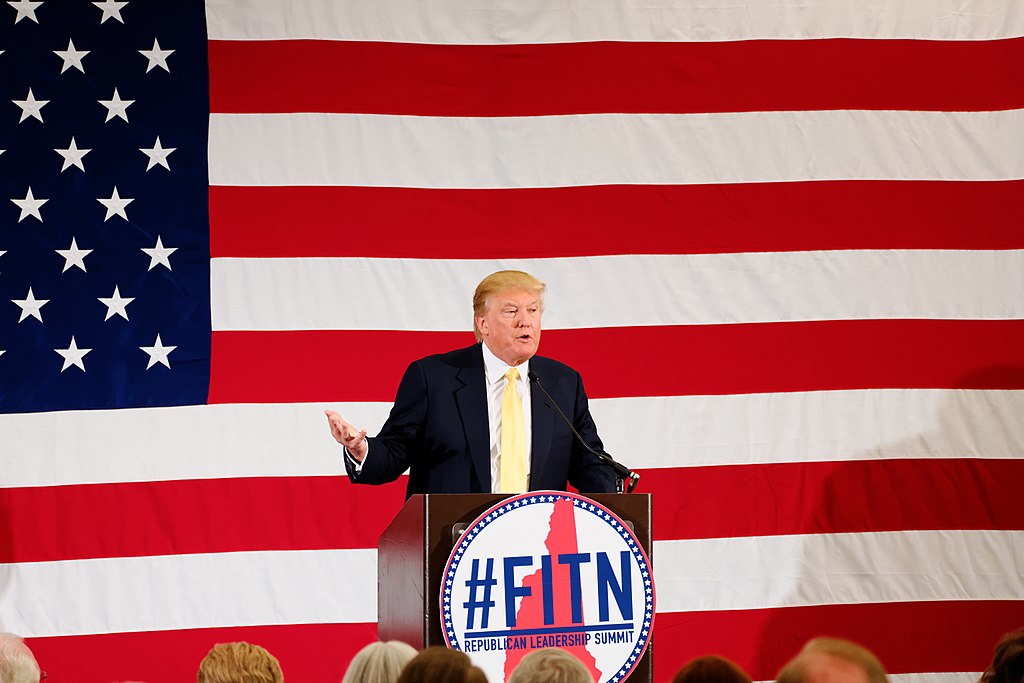
As the 2024 U.S. presidential race heats up, recent polling data shows that former President Donald Trump is closing the gap against Vice President Kamala Harris. According to FiveThirtyEight, Harris currently holds a slight 2.8-point lead in national polling averages. However, the race remains competitive as both candidates sharpen their strategies ahead of the election's final stages.
The dynamics of this contest are particularly telling in battleground states, where outcomes often dictate overall election results. In states like Wisconsin, where recent polls reported by RealClearPolitics show Harris leading by only 1.4 points, the competition is fierce. While Harris enjoys narrow advantages in some regions, Trump continues to maintain solid support in traditionally Republican-leaning states such as Texas and Florida, where he leads by 8 points and 2 points, respectively.
One of the key factors influencing the race is Trump's ability to appeal to independent voters, a critical demographic that could ultimately decide the election. In swing states like Arizona and Georgia, polling suggests that Trump and Harris are virtually tied, highlighting the intense competition for votes in these pivotal regions.
Despite Harris's slight national lead, Trump continues to outperform her on key issues such as the economy and immigration, which are high priorities for many voters. According to Newsweek, states like Wisconsin, which have experienced the impact of inflation and rising living costs, show strong support for Trump's economic policies. The economy remains a central issue for voters, with Trump's messaging resonating in regions where inflation has significantly affected day-to-day life.
Disclaimer:
ECONOTIMES cannot independently verify the polling data or the outcome of state-specific voter trends. The information provided is based on current polling data from trusted sources such as FiveThirtyEight and RealClearPolitics.
As the election draws closer, both candidates are expected to intensify their efforts to sway undecided voters. For Trump, his messaging on economic stability, along with his continued focus on immigration and border control, has allowed him to maintain strong support among key voter blocs. Harris, on the other hand, will need to solidify her standing on issues like healthcare and social justice to maintain her slim lead.
With swing states like Wisconsin, Arizona, and Georgia hanging in the balance, the 2024 election remains unpredictable. Independent voters and the handling of economic issues will likely determine who secures the White House, as the margin between Trump and Harris continues to tighten. Both campaigns are expected to ramp up their efforts in battleground regions as Election Day approaches, setting the stage for one of the most closely watched races in recent memory.







