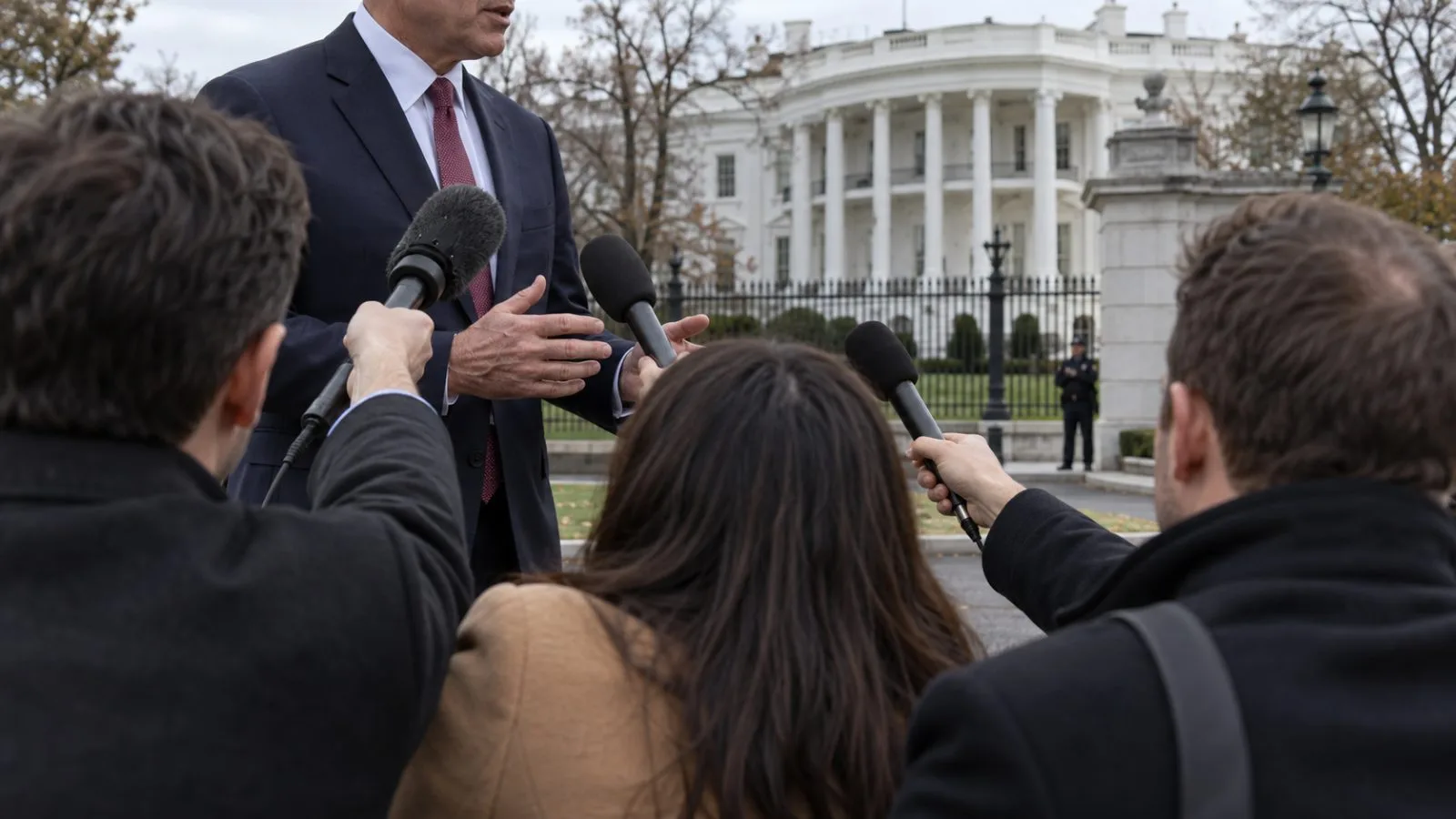
The United States launched fresh airstrikes against Iran on Saturday after two U.S. service members were killed and another was reported missing following an Iranian attack in Jordan, according to U.S. Central Command. The military said the strikes were ordered by President Donald Trump and were aimed at weakening Iran’s ability to threaten commercial shipping through the Strait of Hormuz while targeting Islamic Revolutionary Guard Corps (IRGC) forces linked to the attack.
The operation began at 6 p.m. ET, with Central Command stating that the strikes focused on Iran’s military capabilities. Iran’s Mehr news agency reported an attack near Sirik in southern Iran but said there were no casualties or major infrastructure damage.
The latest escalation follows the collapse of an interim ceasefire reached a month ago, raising fears of a broader regional conflict. Central Command confirmed that the latest casualties increased the number of U.S. military deaths since the conflict began to 16, while more than 420 personnel have been wounded. Defense Secretary Pete Hegseth honored the fallen troops, saying their sacrifice strengthened America’s resolve.
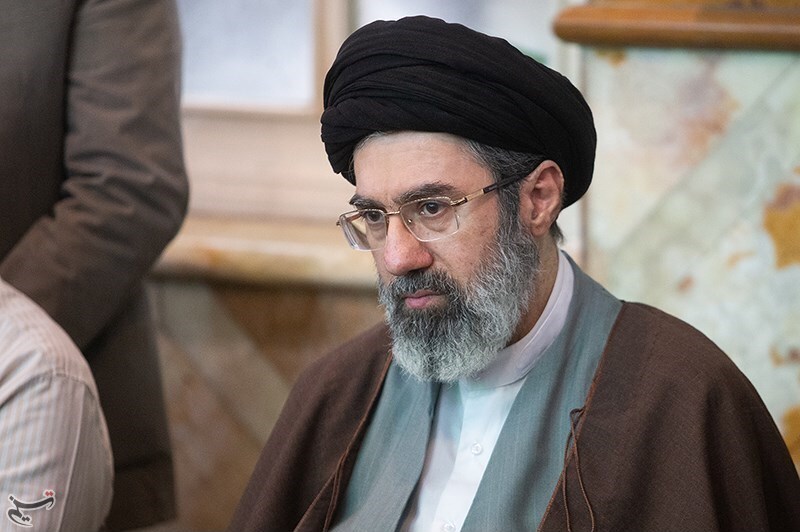
Iran’s Supreme Leader Ayatollah Mojtaba Khamenei accused Washington of violating the ceasefire agreement and warned that the U.S. would face severe consequences for escalating the conflict.
The fighting has also spread across the Gulf region. Iran reportedly launched attacks targeting Kuwait, Bahrain and Jordan, while Saudi Arabia activated early warning systems after reports of a possible missile threat. Iranian state media claimed the IRGC struck U.S. military facilities in Kuwait and Bahrain and damaged aircraft at a U.S. base in Jordan, although Reuters could not independently verify those claims.
Earlier U.S. strikes targeted Iranian surveillance sites, logistics hubs and underground weapons storage facilities. Iran said 50 people have been killed and more than 500 wounded in U.S. attacks over the past three weeks.
The conflict has intensified concerns over global energy markets, as both countries continue to contest control of the Strait of Hormuz, a vital route that carries roughly one-fifth of the world’s oil supply. The European Union and Gulf states have urged Iran to stop attacks on shipping and ensure the strategic waterway remains open.