


 Fairshake Backs 32 Pro-Crypto House Candidates
  Evernorth XRPN Nasdaq Listing Delayed to October 12
  Samsung Q3 Profit Hits Record High on AI Memory Demand
  US Treasury Drops Crypto Wallet Tracking Plan
  Solidigm Taps Goldman, Morgan Stanley for $10 Billion US IPO
  Crypto Lobbying Hits $13M as Clarity Act Stalls
  Europol Warns Bitcoin Wallets Face Quantum Computing Risk
  Mexico Bars Dual Citizens From Presidential Races Starting in 2028
  SEC Investor Reform Validates Barry Silbert’s Tokenization Vision
  France to Release 10 Million Barrels of Diesel to Ease Fuel Prices
  Israel Tightens Pilot Security After Flydubai Incident
  Rapidus Seeks Chip Customers as Japan Pushes 2nm Semiconductor Revival
  Kazakhstan and Tether Explore Tenge Stablecoin and RWA Tokenization
  Florida Seeks Tougher Meta Rules to Protect Young Users
  Nomura Asset Management Targets Global Investors as Japan Markets Gain Appeal
  Zcash Privacy Demand Rises as AI Exposes Bitcoin Transactions


 Add as a preferred source on Google
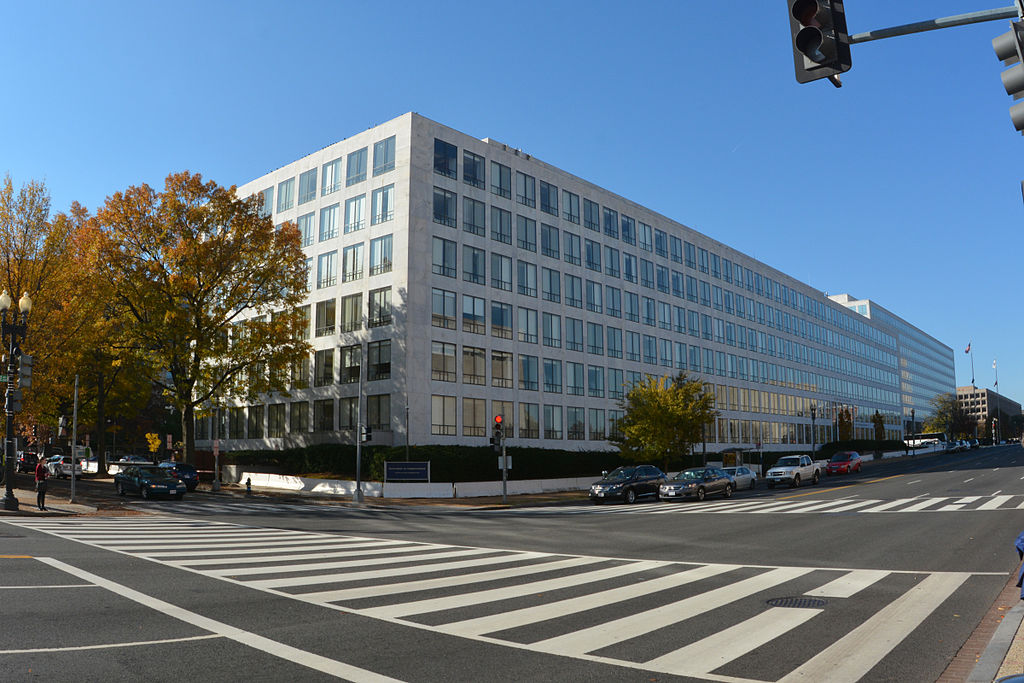
The U.S. Transportation Department has approved a five-year exemption allowing Aurora and other autonomous trucking companies to use vehicle-mounted warning beacons instead of requiring human drivers to place reflective warning devices around stopped trucks.
The decision, announced late Wednesday, marks an important regulatory step toward the broader commercial deployment of self-driving trucks across the United States. Autonomous trucking companies have argued that existing safety regulations were designed for vehicles operated by human drivers and can create obstacles for fully driverless operations.
In 2023, Alphabet’s self-driving technology unit Waymo and autonomous trucking company Aurora jointly requested an exemption from federal regulations requiring drivers to place reflective triangles around stopped commercial trucks. The warning devices are intended to alert approaching motorists and reduce the risk of collisions when a truck is stopped on or near a roadway.
Under the exemption approved by the U.S. Department of Transportation, eligible autonomous trucking operators will be permitted to use warning beacons mounted on truck cabs. The alternative system eliminates the need for a human driver to exit the vehicle and manually position reflective triangles.
The five-year waiver could help remove a significant operational hurdle for companies developing fully autonomous commercial trucks. Without such an exemption, driverless trucks could face difficulties complying with federal roadside safety requirements because no human operator would be available to deploy the warning equipment.
Aurora has been among the companies working to expand autonomous trucking technology in the U.S., where developers are seeking to demonstrate that self-driving systems can safely handle long-haul freight operations while complying with federal transportation standards.
The Transportation Department’s decision provides autonomous trucking companies with greater regulatory flexibility while maintaining a roadside warning mechanism through cab-mounted beacons. The move could support further testing and commercial expansion of driverless trucks as regulators and technology companies continue adapting existing transportation rules to autonomous vehicle technology.







