


 UK Inflation Rises to 3.1% Ahead of BoE Rate Decision
  Oil Prices Surge as Houthi Attacks Raise Saudi Supply Fears
  Hong Kong Unveils First Five-Year Plan to Boost Finance, Tech and Housing
  Gold Prices Slip as Fed Rate Hike Looms, Treasury Yields Rise
  Asian Bank Stocks Slide as BofA Warning and Rising Yields Hit Sentiment
  Goldman Sachs Forecasts Fed Rate Hike as Inflation Risks Rise
  US Stock Futures Rise as Markets Brace for Fed Rate Hike
  Asian Stocks Steady as AI Shares Rebound Ahead of Fed Decision
  US Futures Fall as Fed Meeting, Oil Surge Rattle Markets
  Houthis Escalate Saudi Attacks as Red Sea Oil Risks Grow
  Gold Prices Fall as Hot U.S. Inflation Boosts Fed Rate Hike Bets
  US Stocks Rise Ahead of Fed Rate Decision
  Saudi Arabia Raises Security Alerts as Houthi Attacks Threaten Oil Routes
  China’s Slower Loan Growth Becomes ‘New Normal’ as Credit Demand Weakens
  UK Wage Growth Slows as BoE Rate Decision Looms
  China Home Prices Fall Again as Property Slump Drags on Growth


 Add as a preferred source on Google
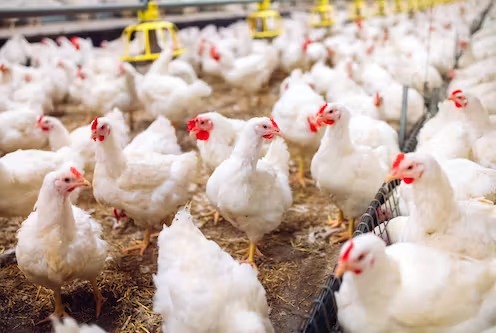

The UK government recently announced that as of April 18, poultry and captive birds can be kept outside again as the threat from bird flu eases. These mandatory housing measures were introduced across England and Wales in the autumn of 2022 following the unprecedented spread of bird flu in the UK and Europe.
Indeed, the past two winters in the UK have seen our largest and most prolonged outbreak of bird flu in modern times, leading to substantial controls in poultry production, the mass death of seabirds, cases in wild mammals and a single human case.
So how did we get here, and has the threat in the UK really receded? Let’s take a look.
Avian influenza, commonly known as bird flu, is caused by the influenza A virus which can lead to disease in many hosts including humans. However, its ability to infect and transmit to different hosts depends on which subtype or serotype of influenza A is involved.
Influenza A serotypes are designated based on two proteins found on the virus’s surface called neuraminidase (N) and haemagglutinin (H), each of which come in several different types. The combination of H and N types (for example, H5N1, H1N1 or H3N2) defines the serotype. Within the serotype there can also be a number of variants called clades.
The current outbreak in the UK and elsewhere is caused by a 2.3.4.4b clade of the H5N1 serotype. Typically, horse strains of influenza A are H3N8 and H7N7, pigs and humans are susceptible to H1N1 and H3N2, and avian influenza encompasses H5 and H7 serotypes.
In general, human influenza viruses have little capacity to infect animal species and vice versa, but sporadic infections can sometimes occur between species.
How did the current outbreak spread?
The origins of all influenza A serotypes are thought to be in aquatic birds such as ducks, geese, gulls and wading birds. The 2.3.4.4b clade of the H5N1 serotype, for example, is descended from the goose/Guangdong lineage, first isolated in a goose in Guangdong, China.
This clade emerged around 2021 and has caused several outbreaks globally, including in Europe, Asia, and the Americas, most likely spread by migratory birds. As many geese and duck species can carry the virus and shed it in their droppings without becoming ill they can easily transmit virus to other bird species.
Normally in the UK we see a number of localised bird flu outbreaks each winter, but the levels of the current virus – identified in more than 300 UK poultry farms in the past two years – is unprecedented in modern times.
And while avian flu has traditionally been a problem primarily for chickens and other domestic birds, this outbreak has been unusual in its capacity to cause disease and death in wild birds too. This strain has been found to cause disease in over 60 wild bird species in the UK, including many not previously known to be affected.
The reasons for this are not clear but could include changes to migratory flyways (the routes birds use for migration) and increased susceptibility due to climate change or pollution affecting the general health and immune systems of seabirds.
This outbreak has unquestionably been deadly. Across 37 countries affected, more than 50 million birds have been culled.
Beyond birds
Mammals can become infected with bird flu as a result eating infected birds – through predation or scavenging – or from coming into contact with bird faeces. In the UK most mammalian cases are in species likely to have consumed infected birds including foxes, otters and weasels.
The UK Health Security Agency has a zero to six level of threat for pandemic avian influenza. The alert level has remained at level 3 (limited transmission in mammals other than humans) for some time, with the only evidence of transmission between mammals from a mink farm in Spain.
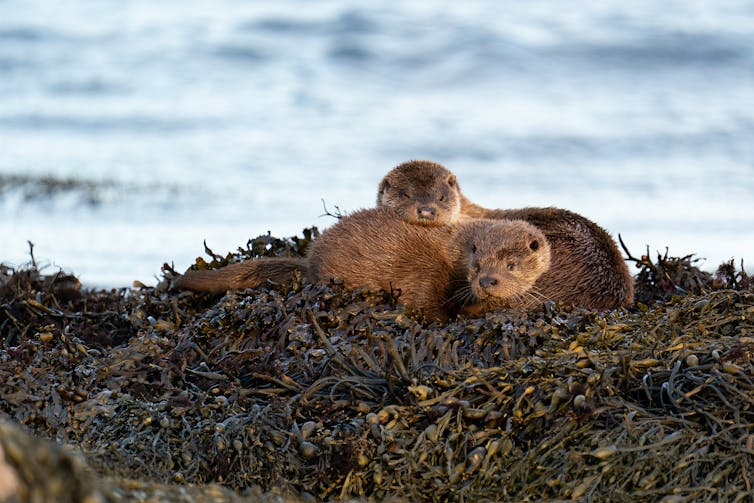
Bird flu has been detected in mammals such as otters. Chrispo/Shutterstock
Since December 2021 there have been seven reports of human infection with 2.3.4.4b H5N1 around the world. Generally, the risk of transmission of avian influenza to humans is low. Most cases are through direct contact with live chickens or ducks.
In the current outbreak cases in Spain and the US were found in poultry workers and the single UK case in a man keeping infected ducks in the household. A nine-year-old girl from Ecuador who contracted the virus was reported to be in contact with backyard poultry.
Balancing risk with animal welfare
Over the past two winters mandatory orders to house birds, including free-range and backyard flocks, have helped reduce the potential for transmission into, within and from poultry. The greatest risk of influenza to poultry is through the autumn and winter months with the migration of birds, such as barnacle geese.
As we move out of peak influenza season, the risk should be lower in the short term. The removal of housing restrictions is a decision that balances infection risk with animal welfare.
Almost two-thirds of UK egg production is free range and it’s thought there could be as many as one million UK households that keep backyard chickens. Allowing these birds back outside will benefit their health.
That said, it’s increasingly likely that H5N1 is here to stay and will remain a problem for poultry production and wild birds, and a threat to other species. For now, advice to avoid contact with infected birds and report any suspected cases is sensible. We will need ongoing surveillance of poultry, wild birds and mammals to assess risk and potential emergence of more transmissible strains in the future.







