


 Abbas Reaffirms November 28 Palestinian Elections
  Ghana Says Western Support Growing for Slave Trade Reparations
  Trump, Xi Focus on Trade and AI at White House Summit
  Netanyahu’s Brief US Trip Highlights Strains With Trump
  Judge Orders Trump to Restore White House Access for CNN, MS NOW and Politico
  Netanyahu Takes Aim at Mamdani as Israel Election Nears
  NATO Boosts Intelligence Sharing Amid Russia Hybrid Threats
  Xi Calls for Deeper U.S.-China AI Cooperation in Trump Talks
  France Defends Netanyahu Airspace Clearance Despite ICC Warrant
  South Korea, US Discuss Warship Building Cooperation
  Pezeshkian Says US Must Choose When Iran War Ends
  Mexico-US Trade Talks Delayed to October as Tariff Negotiations Continue
  Sudan Rejects US Legitimacy Remarks, Defends Sovereignty
  US Backs Musk in Fight Against EU’s €120 Million X Fine
  Trump Asks Supreme Court to Restore Third-Country Deportations
  Ukrainian Drone Attacks Hit Russian Regions, Injuring at Least 12
  Saudi Arabia, Turkey and Pakistan Plan Urgent Defence Talks Over Houthi Attacks


 Add as a preferred source on Google
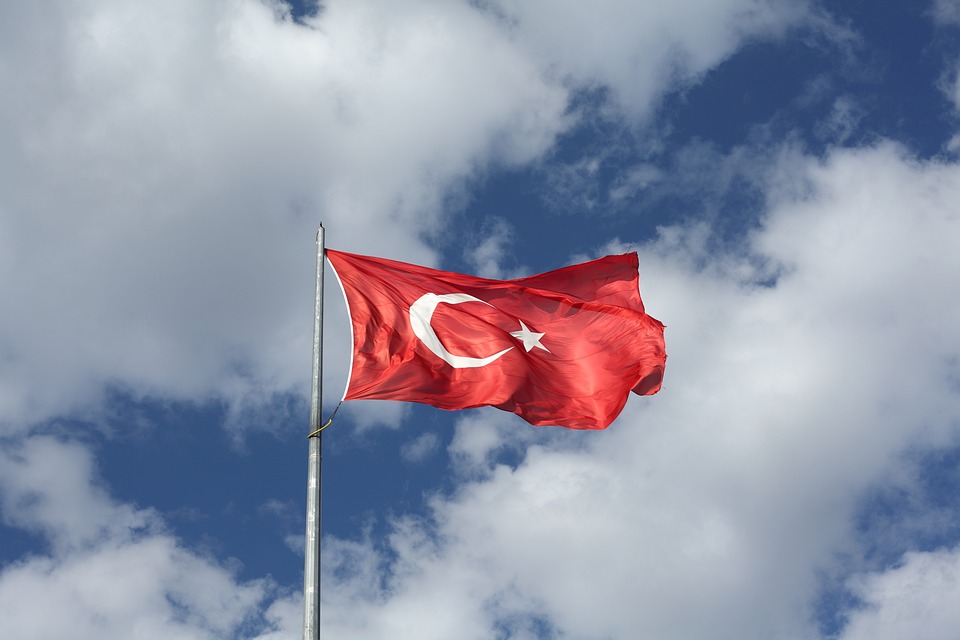
Turkey has expressed disappointment with the recent ruling of the Swedish Supreme Court that blocked the extradition of a Turkish journalist. Turkey’s top diplomat called the decision “very negative.”
Speaking at a news conference in Ankara on Tuesday, Turkish foreign minister Mevlut Cavusoglu weighed in on the decision by Sweden’s highest court to block the extradition of Turkish journalist Bulent Kenes. Cavusoglu called the ruling a “very negative” development, especially at a time when Sweden seeks to gain Turkey’s approval to join the NATO alliance.
Last month, Turkish President Tayyip Erdogan specified Kenes as an individual Ankara wants to be extradited in order to approve Sweden and Finland’s bids to join the alliance. Ankara said Kenes is part of an organization that orchestrated a coup attempt back in 2016. Kenes has denied any wrongdoing.
Sweden’s foreign ministry said that it was bound to act in accordance with the decision of its highest court, which the Turkish foreign ministry noted in an emailed comment.
“We cannot speculate on what possible impact this will have on the NATO accession,” said the ministry. “Sweden’s government has to follow Swedish and international law when it comes to questions of extradition, which is also made clear in the trilateral agreement.”
Finland and Sweden filed joint bids for NATO membership back in May as a result of Russia’s invasion of Ukraine. The bids of the two Nordic countries ran into opposition from Turkey, as the NATO alliance is required to unanimously approve bids by countries to join. By June, Sweden and Finland agreed to take several measures to obtain Ankara’s approval in a trilateral agreement.
One of Turkey’s demands was the extradition of suspects that Ankara is looking for over terrorism-related charges. However, Sweden and Finland both made clear that they have not agreed to specific extraditions and that all requests would be dealt with in accordance with the laws of their respective governments and international law.
The Swedish Supreme Court said in a statement at the time of the decision that the coup accusations against Kenes were partly related to a political crime and that Kenes risked facing persecution due to his political views.







