


 Russian Missile and Drone Attack on Kyiv Kills Two, Damages Maternity Hospital
  Yemen Violence Displaces 130,000 as Civilian Toll Rises
  Trump Asks Supreme Court to Restore Third-Country Deportations
  Trump, Xi Focus on Trade and AI at White House Summit
  Mexico-US Trade Talks Delayed to October as Tariff Negotiations Continue
  Pezeshkian Says US Must Choose When Iran War Ends
  US Backs Musk in Fight Against EU’s €120 Million X Fine
  Sudan Rejects US Legitimacy Remarks, Defends Sovereignty
  Ukrainian Drone Attacks Hit Russian Regions, Injuring at Least 12
  North Korea Rejects Nuclear Test Warning, Calls Nuclear Status Irreversible
  Netanyahu Defends Israel at UN as Delegates Stage Walkout
  France Defends Netanyahu Airspace Clearance Despite ICC Warrant
  Netanyahu Takes Aim at Mamdani as Israel Election Nears
  Trump, Xi Visit US National Archives After White House Summit
  South Korea, US Discuss Warship Building Cooperation
  EU Defence Build-Up Too Slow for 2030 Russia Readiness Goal
  Xi Calls for Deeper U.S.-China AI Cooperation in Trump Talks


 Add as a preferred source on Google
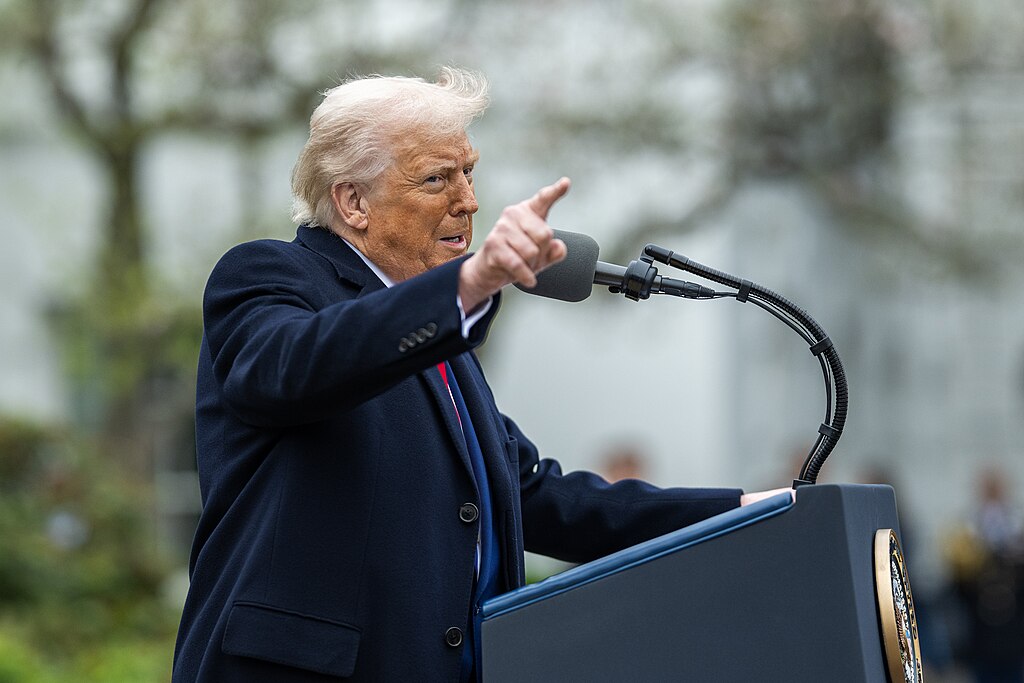
U.S. President Donald Trump has publicly urged Iranians to continue nationwide protests, escalating tensions as Iran’s leadership intensifies a crackdown on what are described as the largest demonstrations in years. In a post on his Truth Social platform, Trump encouraged protesters to “keep protesting” and “take over your institutions,” adding that unspecified “help is on the way.” His remarks immediately drew sharp condemnation from Tehran, which accused Washington of inciting violence and undermining Iran’s sovereignty.
Trump said he had canceled all meetings with Iranian officials until the killing of protesters stopped and warned that those responsible for abuses would “pay a very big price.” While he did not clarify what form U.S. assistance might take, he told reporters that all options, including military action, were under consideration. He also warned of “very strong action” if Iran began executing protesters, amid reports from rights groups that death sentences may be imminent for some detainees.
Iranian authorities acknowledged that about 2,000 people have been killed during more than two weeks of unrest, marking the first official overall death toll. U.S.-based Human Rights Activists in Iran (HRANA) reported over 2,000 confirmed deaths, the majority being protesters, and said nearly 17,000 people have been detained. Communications blackouts and internet restrictions have limited independent verification, though satellite internet access was reported to be available in Iran through Elon Musk’s Starlink service.
Iran’s U.N. ambassador accused the United States and Israel of direct responsibility for civilian deaths, while Russia warned against foreign interference, saying it could have disastrous regional consequences. European leaders, including those from Britain, France, Germany, and Italy, summoned Iranian ambassadors to protest the crackdown, with EU officials calling the rising casualties horrifying.
The protests, triggered by economic hardship and currency collapse, have evolved into broader calls for the fall of Iran’s clerical establishment. Despite international pressure and new U.S. tariffs targeting countries trading with Iran, analysts say there are still no clear signs of a fracture within Iran’s security forces, leaving the country’s future uncertain but volatile.







