


 Saudi Arabia Probes Flydubai Cockpit Attack
  OpenAI, Anthropic Back Mandatory AI Breach Reporting in Australia
  Tsai Warns of China’s Sustained Pressure on Taiwan
  Italy Approves Electoral Reform Ahead of 2027 Election
  SEC Investor Reform Validates Barry Silbert’s Tokenization Vision
  US Waives $320M Egypt Military Aid Conditions After Iran War Role
  US-Taiwan Ties Remain Strong as Taipei Urges Timely Arms Deliveries
  Trump Rallies in Texas as Republicans Face Tight Midterm Races
  San Francisco Halts New Data Center Construction With 45-Day Moratorium
  US, Greece Launch New Counterterrorism Security Program
  New York Declares Measles Disaster Emergency as Cases Surge
  Marco Rubio Warns Russia-Ukraine War Could Spark Wider Conflict
  CFTC Moves to Set New Crypto Rules After CLARITY Act Failure
  Fairshake Backs 32 Pro-Crypto House Candidates
  Venezuela’s Machado Calls for Elections by July 2027


 Add as a preferred source on Google
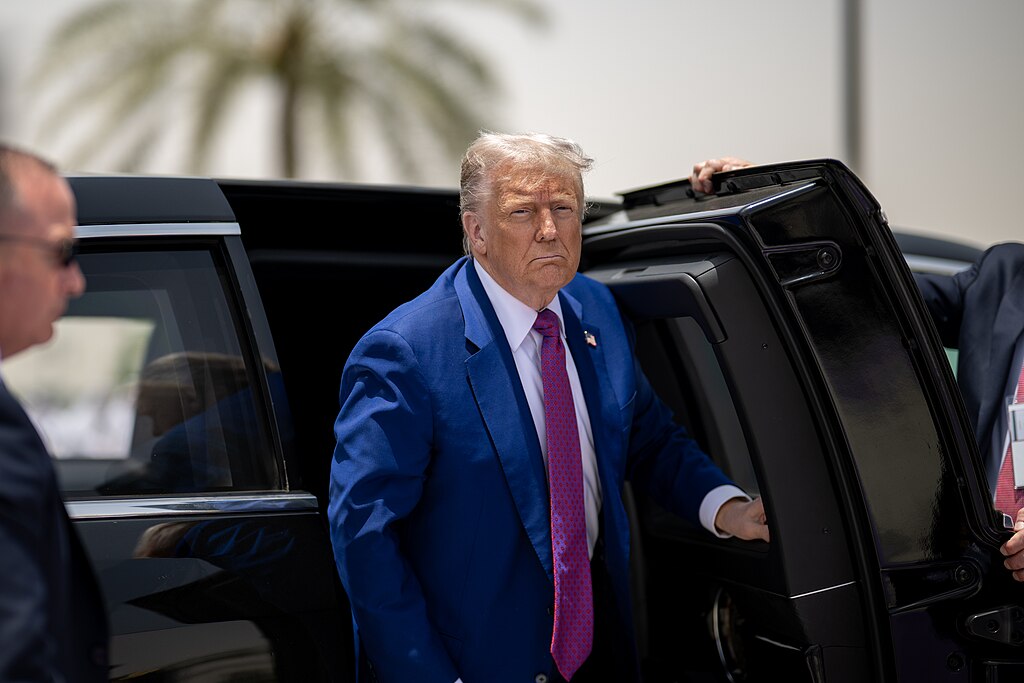
The Trump administration has recalled nearly 30 U.S. ambassadors and senior career diplomats from overseas posts, a move officials say aligns embassies more closely with the president’s “America First” foreign policy, but which critics argue could weaken U.S. credibility abroad and disrupt diplomatic continuity.
According to people familiar with the matter, those recalled were primarily career Foreign Service officers serving as ambassadors in smaller countries, where nonpolitical diplomats have traditionally represented the United States. The State Department declined to release a list of affected diplomats, citing standard personnel practices. A senior department official, speaking on condition of anonymity, said ambassadorial recalls are a routine part of any new administration, emphasizing that ambassadors serve as personal representatives of the president and are expected to advance his policy agenda.
However, the recalls have drawn sharp criticism from diplomats and lawmakers. The American Foreign Service Association, which represents career foreign service officers, said it was working to verify which members were affected after reports that some diplomats were notified by phone without explanation. AFSA spokesperson Nikki Gamer described the process as “highly irregular,” warning that abrupt and unexplained recalls undermine morale, effectiveness, and U.S. standing overseas.
Politico previously reported that roughly two dozen ambassadors were instructed to leave their posts, citing a State Department official. While recalled diplomats were encouraged to seek new roles within the department, critics say the move reflects a broader effort by President Trump to install loyalists in key positions during his second term, after facing resistance from career officials during his first term.
Senator Jeanne Shaheen, the top Democrat on the Senate Foreign Relations Committee, strongly criticized the decision, particularly as nearly 80 ambassadorial positions remain unfilled. In a post on X, Shaheen warned that removing experienced career ambassadors risks ceding global influence to rivals like China and Russia, arguing the move makes the United States “less safe, less strong and less prosperous.”
The State Department declined to comment on Gamer’s remarks. The policy shift, reported by Reuters, has fueled debate over the balance between political leadership and professional diplomacy, raising questions about the long-term impact on U.S. foreign policy and international relationships as the administration reshapes the diplomatic corps to reflect its priorities.







