


 Honda Targets $9.4 Billion in Cost Cuts as China EV Competition Intensifies
  Audi, SAIC Launch China Innovation Hub for New AUDI Models
  GSM Eyes US, Europe Expansion Ahead of 2028 Hong Kong IPO
  Shein Shares Slide 9% in Hong Kong IPO Debut
  ByteDance Secures $29.6 Billion Loan to Boost AI Investment
  Apple’s Phil Schiller Steps Back as Leadership Shake-Up Accelerates
  CIA-Linked Investor Helped Quantum Systems Expand in US
  Deutsche Telekom Shares Rise as Elliott Pushes Against T-Mobile Merger
  France Targets Shein, Temu With Fast-Fashion Fees
  Thomson Reuters C-Track Cyberattack Hits Courts Across U.S. and Canada
  BP Names Ian Tyler Permanent Chairman After Governance Shake-Up
  CATL Shares Fall as Hungary Plant Faces Safety Halt
  Fast Retailing Shares Drop as Uniqlo Japan August Sales Fall
  Shein Shares Drop 5% After Weak Hong Kong IPO Debut
  OpenAI Nears Astra AI Model Launch With Safety Focus
  Lenovo Shares Fall After Dropbox Security Breach Exposes ID Vulnerability
  MediaTek Shares Jump 10% on Nvidia’s $3.5 Billion Investment


 Add as a preferred source on Google
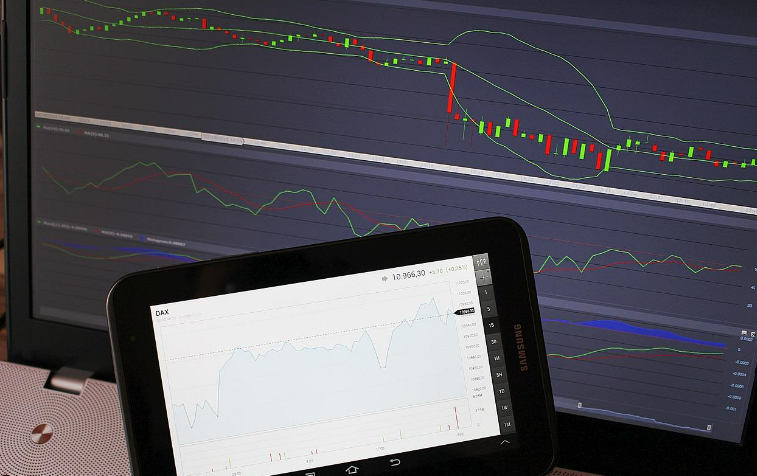
The landscape of Forex trading in the Philippines has witnessed a remarkable transformation in recent years. This growth can be attributed to several factors, including economic developments, technological advancements, and a growing awareness of financial markets among Filipinos. In this exploration of the rise of Forex trading Philippines, we delve into the trends and insights that have shaped this market, offering a comprehensive view of its current state and future prospects.
Economic Landscape and Forex Trading
The Philippines' economy, characterized by its steady growth and increasing integration into the global market, has created a conducive environment for Forex trading. The Philippine Peso (PHP), which is the country's official currency, plays a central role in this arena. The nation's economic policies, trade balances, and GDP growth are among the key factors that influence Forex trading in the Philippines.
Regulatory Environment
Forex trading in the Philippines operates under the oversight of the Bangko Sentral ng Pilipinas (BSP), which is the central monetary authority of the country. The BSP's regulations aim to ensure a stable financial environment and protect traders from potential risks associated with Forex trading. Understanding and adhering to these regulations is crucial for traders operating in the Philippines.
Growing Interest in Forex Trading
There has been a noticeable increase in interest among Filipinos in Forex trading. This surge can be attributed to greater financial literacy, the accessibility of online trading platforms, and the potential for high returns. As more Filipinos look to diversify their investment portfolios, Forex trading has become an attractive option.
Technological Impact
The advancement of technology has played a pivotal role in the rise of Forex trading in the Philippines. Modern trading platforms offer user-friendly interfaces, real-time data, and advanced analytical tools, making it easier for traders to engage in the Forex market. However, this reliance on technology also necessitates awareness of cybersecurity risks and the need for safe trading practices.
Forex Trading Strategies
Successful Forex trading requires a well-thought-out strategy, which should include both technical and fundamental analysis. Technical analysis involves the study of price charts and patterns, while fundamental analysis looks at economic indicators and news events. Traders in the Philippines are increasingly using a combination of these methods to make informed trading decisions.
Risk Management
One of the key aspects of Forex trading is risk management. This involves setting stop-loss orders, managing leverage wisely, and not investing more than one can afford to lose. Effective risk management is essential for navigating the volatile Forex market.
Challenges in Forex Trading
While Forex trading offers numerous opportunities, it also comes with challenges. Market volatility, regulatory changes, and economic shifts can all impact trading outcomes. Traders in the Philippines must stay informed and be prepared to adapt their strategies to changing market conditions.
The Role of Currency Pairs in Philippine Forex Trading
Currency pairs involving the Philippine Peso, along with major global currencies such as the USD, EUR, and JPY, are commonly traded in the Philippines. Understanding the factors influencing these currencies, including monetary policies of respective central banks and global economic trends, is crucial for traders.
Impact of Global Economic Events
Forex trading in the Philippines is not isolated from global economic events. Developments such as geopolitical tensions, international trade agreements, and global financial crises can significantly affect the Forex market. Filipino traders need to be vigilant about such global events and their potential impact on currency values.
The Emergence of Forex Education
The increasing interest in Forex trading in the Philippines has led to a surge in educational resources. Online courses, webinars, and trading seminars are becoming more accessible, helping to enhance the skills and knowledge of Filipino traders.
Social Trading and Community
The rise of social trading platforms has also contributed to the popularity of Forex trading in the Philippines. These platforms allow traders to follow and copy the trades of experienced traders, fostering a sense of community and learning.
Future Trends and Developments
Looking ahead, the Forex market in the Philippines is poised for further growth. This growth is expected to be driven by continued economic development, increased accessibility to trading platforms, and ongoing advancements in trading technology.
The Challenge of Market Speculation
While Forex trading offers the potential for profit, it also involves a degree of speculation. This speculation can lead to market volatility, making it imperative for traders to be cautious and well-informed before making trade decisions.
The Importance of a Balanced Approach
A balanced approach to Forex trading, combining careful analysis with sound risk management strategies, is essential for success. Traders should avoid emotional decision-making and maintain discipline in their trading practices.
Conclusion
The rise of Forex trading in the Philippines reflects a growing interest in financial markets and an appetite for diverse investment opportunities. With its unique challenges and prospects, the Forex market offers a dynamic platform for Filipino traders. By staying informed, embracing education, and practicing effective risk management, traders in the Philippines can navigate this complex market and potentially achieve significant gains. As the market continues to evolve, adaptability, continuous learning, and a strategic approach will remain key to success in the vibrant world of Forex trading in the Philippines.
This article does not necessarily reflect the opinions of the editors or management of EconoTimes







