


 Asian Currencies Mixed as Dollar Holds Firm Ahead of Jackson Hole
  Samsung Shares Tumble 8% as $79 Billion Return Plan Disappoints
  Gold Prices Hover Near Three-Month High as Oil, Treasury Yields Fall
  Trump Buys SpaceX Shares After Record IPO
  Bank of Korea Raises Rates to 3% as Inflation Stays Sticky
  U.S. Disrupts China-Linked Hacking Campaign Targeting Government Agencies
  Tesla Raises Cybertruck Prices by $5,000 in US
  Mercer International Stock Surges 45% on C$20 Million Canada Funding
  Nvidia Options Price in $280 Billion Earnings Swing
  BofA Names ASML Top Semiconductor Equipment Pick on Growth, Valuation
  The Beauty Beneath the Expressway: A Journey from Self to Service
  Luxshare Shares Rise as First-Half Profit Jumps 18%
  Meta Agrees to $18 Billion Settlement, Tightens Teen Social Media Rules
  How to support someone who is grieving: five research-backed strategies
  Salesforce Shares Surge as AI Demand Powers Q2 Earnings Beat


 Add as a preferred source on Google
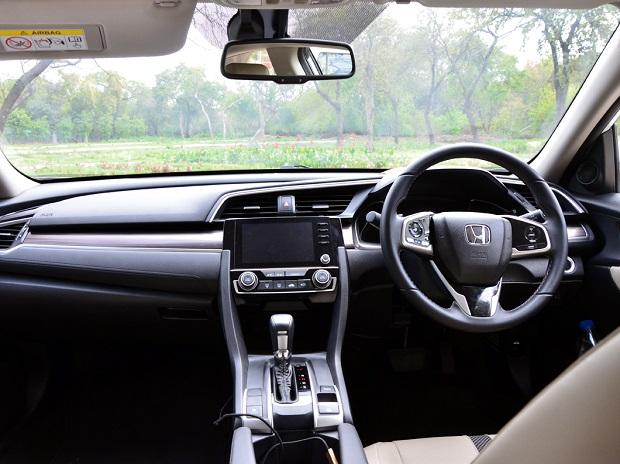
Honda Motor Co. is developing an artificial intelligence-powered system to be gradually installed in new vehicles in the latter half of the 2020s to help reach its goal of eliminating fatal crashes involving its vehicles by 2050.
As a first step, Honda aims to halve the number of fatal accidents by 2030 compared with the figure in 2020.
The AI system analyzes the road situation and the driver’s condition through data captured by sensors and cameras and immediately alerts the driver of any potential accidents.
When the driver seems oblivious to any movement, such as a motorcycle approaching from behind, the system emits a warning sound from a speaker behind the driver.
The AI system also vibrates the backrest to rouse drivers when their eyes look drowsy.
The AI system accumulates driving data to help control steering and speed when it detects unusual delays in the driver’s movement or if the car staggers from side to side.
Additionally, the system analyzes the direction of their faces and the bodies of pedestrians and predicts the possibility of them emerging in front of the vehicle. It alerts both the driver and the pedestrians by triggering an alarm on their smartphones via a communication function.
According to Honda, the system is especially useful for elderly drivers who are often unaware of their failing driving skills.
Honda also improved its existing support system to activate automatic brakes more responsively and sound an alarm when cars approach from both sides of an intersection with poor visibility.
Honda R&D Co. President Keiji Otsu said they would devote their management resources to such technologies and put their utmost emphasis on safety.
The system will be introduced in China next year before it will be made available on all cars on sale in developed countries by 2030.







