


 MediaTek Unveils 2nm Dimensity 9600 Pro AI Chip
  DOJ Will Investigate AI-Related Crimes, Attorney General Blanche Says
  Who should own the knowledge that underpins AI technology?
  Volvo Cars Plans 13 New Models by 2030 to Boost Sales
  Apple Pay Set for India Launch With Axis Bank
  Physicists zoom into the birth of cosmic rainstorms with new CERN study
  Telix to Acquire Germany’s ITM in $1.65 Billion Radiopharma Deal
  fnny Beta Launches With a Simple Idea: Find an Event, Show Up, Get Rewarded
  SpaceX Nasdaq 100 Weight to More Than Double in Rebalance
  Westinghouse Targets $50 Billion Valuation in U.S. IPO
  Paramount Skydance Faces $30 Million Film Penalty in Warner Bros. Deal
  Hyundai CEO Warns Chinese Automakers Could Disrupt US Market
  Nike Earnings at Risk as UBS Cuts Price Target to $42
  Volkswagen Shares Slide After 2026 Profit Outlook Cut
  US Federal Register Drops Alibaba Qwen AI Search Tool
  Burnham Eyes UK Leadership Role in AI Ahead of Trump Meeting
  Supertanker Orders Surge as US-Iran War Reshapes Oil Trade


 Add as a preferred source on Google
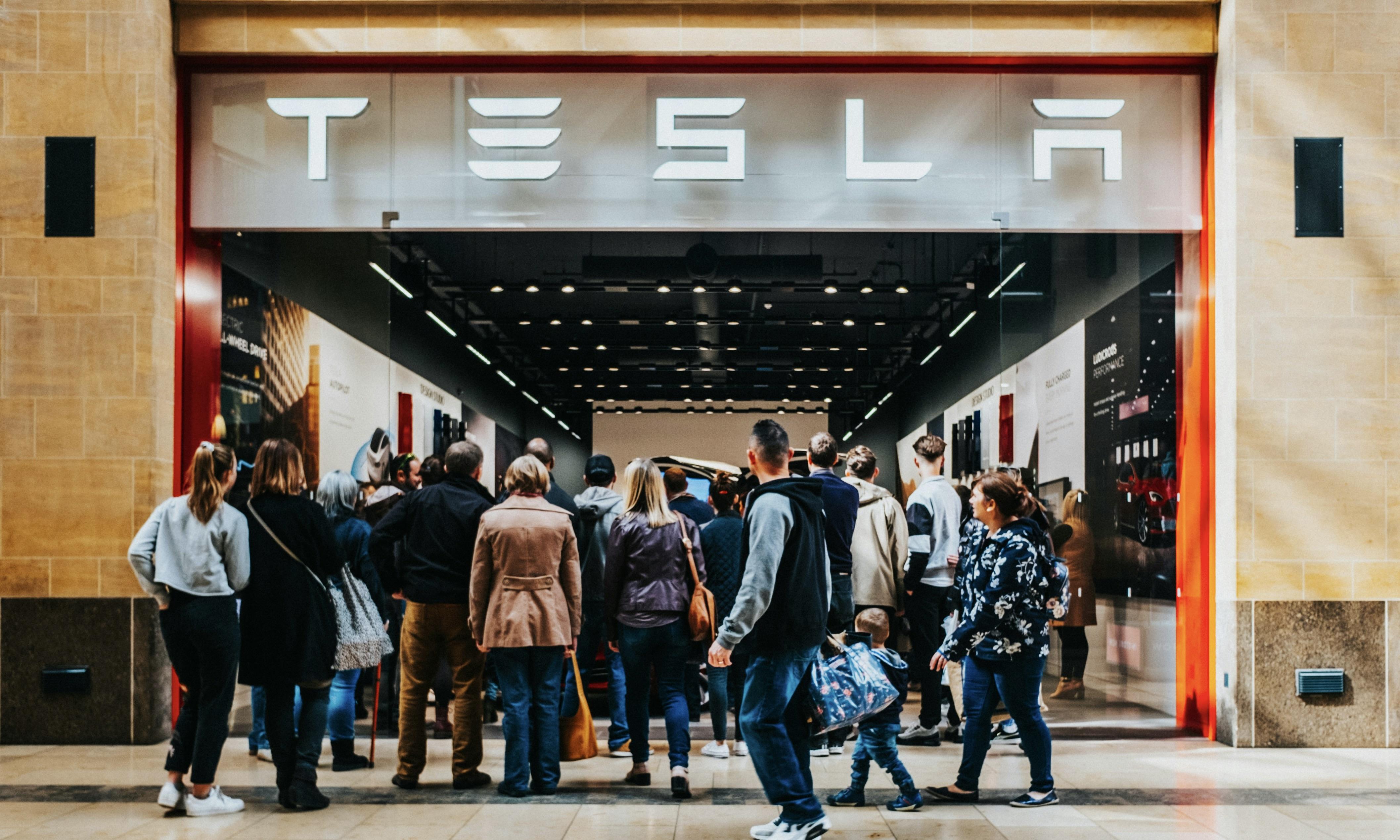
Tesla is scrambling to address the European backlash from fleet managers over frequent price cuts and high maintenance costs, leading to corporate dissatisfaction.
Tesla's Efforts to Rectify Complaints
With its fleets losing value due to Tesla's frequent retail price reductions, pricey maintenance, and sluggish service, the automaker displeased corporate clients, so it is now trying to win over some European leasing businesses.
Reuters interviewed nine executives from major leasing and rental-car firms and approximately a dozen corporate fleet managers. These discussions revealed that Tesla has been making significant strides to rectify the widespread service, repair, and ordering complaints plaguing fleet managers and leasing firms for years.
These efforts include unofficial discounts on new car purchases and a commitment to addressing these long-standing issues.
Impact of Price Cuts on Fleet Managers
Amidst a global decline in demand for electric vehicles and mounting competition, particularly from Chinese EV manufacturers like BYD, Tesla has been forced to implement retail price reductions to boost sales. However, this strategy has had a detrimental effect on the profitability of the company's largest European clients, where fleet purchases make up a significant portion of automobile sales.
Richard Knubben, director general of Leaseurope, a Brussels-based leasing and rental industry group that includes national groups from 31 countries, said that repeatedly seeing the value of a fleet buyer's assets go down is "nothing worse."
"Tesla is now actively telling our members: We can give you discounts and compensate you," Knubben said. "But Tesla's residuals have dropped so fast, I'm not sure the discounts they're offering are enough."
Challenges with Maintenance Costs
European leasing companies and their clients have also complained about the costly and time-consuming Tesla service. They assert that its restorations are significantly more time-consuming and expensive than other vehicles, partly due to the high cost of replacement parts.
Impact on Corporate Fleet Purchases
In the automotive industry, fleet customers hold significant value, particularly in Europe, where companies frequently lease many company cars for their employees due in part to associated tax benefits.
According to market research firm Dataforce (via The Business Standard), 44% of Tesla sales in the UK and 15 other EU countries last year came from leasing and rental-car company purchases.
Photo: Chris Boland/Unsplash







