


 Samsung Union Confirms 18-Day Strike After Failed Wage Talks
  Nvidia Beats Earnings Expectations as AI Demand Drives Record Growth
  Takeda Hit With $885M Verdict Over Amitiza Generic Drug Delay Scheme
  Lam Research Expands AI-Powered Semiconductor Tools and Arizona Operations
  Intuit Raises Full-Year Forecast After Strong Q3 Earnings Despite Stock Drop
  JPMorgan Sees Large-Cap Biotech Stocks Entering New Growth Phase in 2026
  Tencent Shares Jump 4% as AI Models Move Toward Paid Commercial Services
  SpaceX Delays Starship V3 Launch Ahead of Potential Record IPO
  H.B. Fuller Eyes Advanced Medical Solutions in Potential £600M Takeover Deal
  OpenAI Expands Globally with First Overseas AI Lab in Singapore
  Japan Airlines Signs 10-Year Boeing 787 Maintenance Deal With GE Aerospace
  Blackstone and Google Launch AI Cloud Venture, Pressuring CoreWeave and Nebius Shares
  X Corp Loses Legal Battle Over Australia Child Safety Fine
  SpaceX IPO Nears as Goldman Sachs Set to Lead Historic $75 Billion Offering
  OpenAI Eyes IPO Filing as Early as This Week Amid Rising AI Competition
  Google Expands AI Partnership With Singapore Government


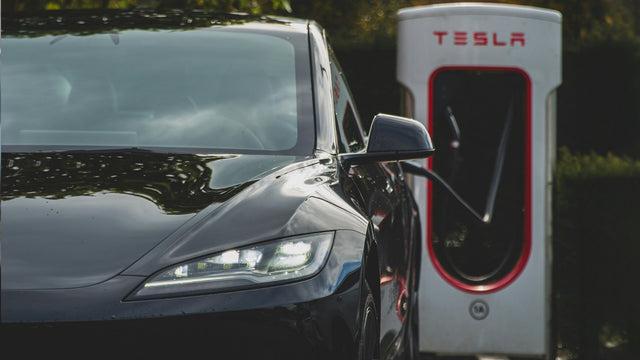
Tesla (NASDAQ: TSLA) is gearing up to launch its robotaxi service in California’s Bay Area, but with safety drivers on board due to regulatory constraints, according to Business Insider and Reuters reports. The company sent users a new terms-of-service agreement confirming that rides in California will use its Full Self-Driving (Supervised) system under the oversight of the California Public Utilities Commission (CPUC). Outside California, rides will operate autonomously.
Unlike Alphabet’s Waymo (NASDAQ: GOOGL), which has permits to run fully autonomous taxis, Tesla has not applied for the required CPUC permits to operate driverless vehicles in the Bay Area. The company currently holds a permit allowing human-driven “charter services” and plans to initially offer rides to employees’ friends, family, and select members of the public.
CEO Elon Musk recently stated during an earnings call that Tesla is securing regulatory approval to deploy robotaxis in multiple markets, including San Francisco. The service will rely on a supervised version of Tesla’s Full Self-Driving software, which automates many driving tasks but still requires human oversight.
Tesla met with CPUC officials last week but has not applied for additional permits that would allow it to test or operate fully driverless vehicles for commercial fares. Under California regulations, companies must first run a pilot program with safety drivers before progressing to paid autonomous services.
The move marks a significant step in Tesla’s robotaxi ambitions as competition intensifies in the autonomous ride-hailing market, led by Waymo and Cruise. Industry watchers say Tesla’s eventual transition to full autonomy will depend on obtaining CPUC approval and proving the safety of its supervised driving technology.







