


 Asian Stocks Fall as Surging Bond Yields Rattle Markets
  U.S. Treasury Yields Surge as 30-Year Hits 22-Year High
  Dollar Holds Near Two-Month High as Yen Approaches 160
  Dollar Falls as Oil Eases, Yen Jumps on Intervention Signals
  Oil Prices Fall on U.S.-Iran Hormuz Deal Hopes
  US Comfortable With Canada Trade Standoff as Import Bans Loom
  Trump to Ease U.S. Fuel-Economy Standards
  ECB May Stop Rate Hikes After December, Capital Economics Says
  Wall Street Ends Flat as Oil, Treasury Yields and Fed Jitters Rattle Markets
  Germany’s 2026 Growth Outlook Strengthens on Fiscal Spending
  China Agrees to Buy 20 Million Tons of U.S. Coal
  Asian Stocks Fall as Bond Yields Surge Ahead of Trump-Xi Summit
  Fed Unveils Stablecoin Rules Under GENIUS Act
  Gold Holds Near $4,275 as Rising Treasury Yields Fuel Fed Rate Hike Bets
  Fed Unveils Stablecoin Rules Under GENIUS Act
  Oil Prices Jump 3% as Houthi Attack Revives Supply Fears


 Add as a preferred source on Google
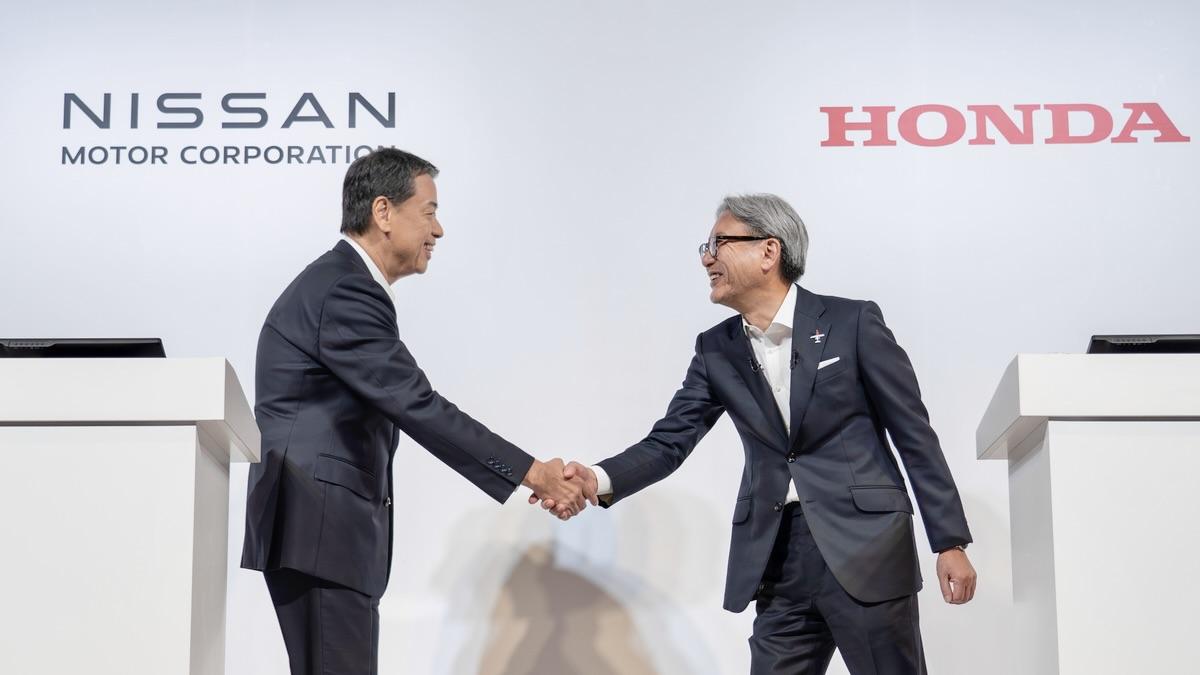
Factory sharing between Honda and Nissan could reshape their global presence as they navigate uncertainties tied to Trump’s policies. Talks highlight their strategic efforts to streamline operations and secure a competitive edge in the automotive industry.
Honda and Nissan Eye Factory Collaboration for Strategic Growth
According to Saturday's report by Japan's Kyodo news agency (via Investing.com), as part of their strategy to strengthen connections and maybe merge, Honda and Nissan are contemplating the possibility of manufacturing vehicles in each other's plants.
Without specifying where the information came from, the report stated that Honda is contemplating offering hybrid automobiles to Nissan as part of the strategy.
After Toyota and Volkswagen, the combined annual production of 7.4 million vehicles would make the combined business the third-biggest auto group in the world. This would be achieved through the merging of Nissan and Honda, the two largest auto companies in Japan.
Although the two car companies formed a strategic alliance in March to work together on electric vehicle development, Nissan has been having some serious issues as of late, both financially and strategically.
A Merger Could Create the World’s Third-Biggest Auto Group
In response to a question regarding the report, a Honda spokeswoman stated, "Nissan and Mitsubishi Motors are in the process of bringing together our strengths and exploring potential forms of cooperation, but nothing has been decided yet," as previously indicated by Honda.
Because the report did not cite an official announcement from Nissan, the automaker chose not to respond. Mitsubishi Motors' largest shareholder is Nissan.
According to Kyodo, Honda might make use of Nissan's automobile facility in the United Kingdom because the company currently only has factories in Europe that produce motorcycles and engines.
Trump’s Trade Policies Add Complexity to Manufacturing Strategy
This decision comes at a time when there are concerns regarding the potential for President-elect Donald Trump's policies to disrupt the manufacturing industry, as the article stated that Trump has promised to implement protectionist trade policies.







