


 Cathie Wood Backs AI Slowdown as Safety Concerns Grow
  Nike Earnings at Risk as UBS Cuts Price Target to $42
  Telix to Acquire Germany’s ITM in $1.65 Billion Radiopharma Deal
  Guterres Urges Stronger Global AI Safeguards Ahead of UN Assembly
  SoftBank Shares Jump 8% as SB Energy IPO Optimism Builds
  Rosenblatt Starts Nokia at Buy on AI Networking Growth
  Big AI wants to slow down AI research. Is it a safety pause or a strategic retreat?
  AI is supercharging money scams – here’s what you can do to protect yourself
  US Federal Register Drops Alibaba Qwen AI Search Tool
  Apple Pay Set for India Launch With Axis Bank
  OpenAI Urges US-Led Global Standards for Frontier AI
  France Urges Faster AI Push Despite Safety Risks
  SpaceX Nasdaq 100 Weight to More Than Double in Rebalance
  LVMH-Hermès Dispute Deepens Over Secret 2002 Share Deal
  US Northeast Airports Resume Operations After Telecom Outage Disrupts Thousands of Flights
  Westinghouse Targets $50 Billion Valuation in U.S. IPO
  Trump Plans Federal AI Force and AI Czar


 Add as a preferred source on Google
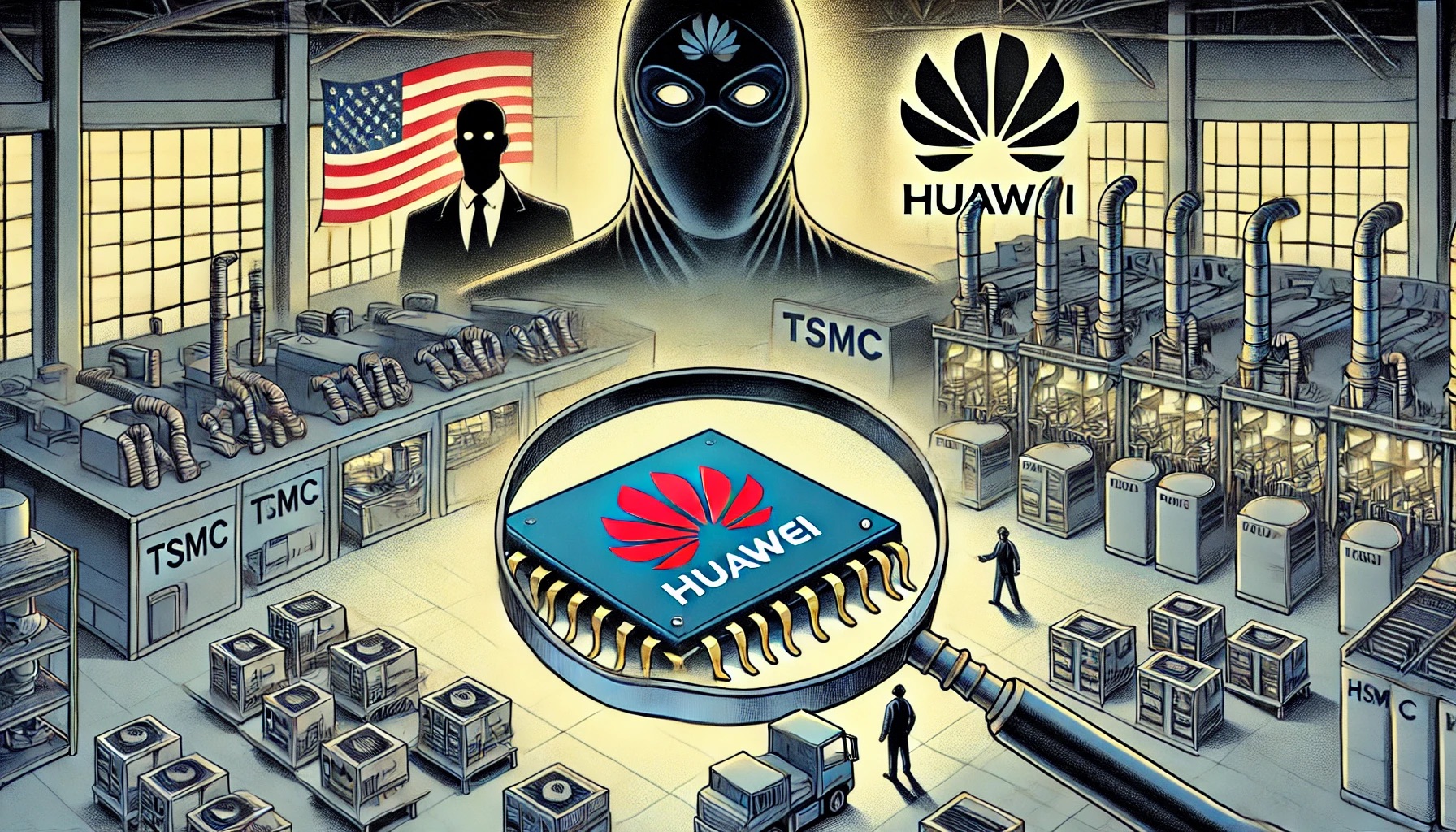
TSMC has halted shipments to a customer after uncovering its chip inside a Huawei product, which may violate strict U.S. export controls aimed at limiting China's access to advanced technology. Both U.S. and Taiwanese governments are now involved in the investigation.
TSMC Halts Shipments After Finding Chip in Huawei Product
A Taiwanese official said that after discovering that one of their chips had wound up in a Huawei product, Taiwan Semiconductor Manufacturing Co. halted shipments to the customer.
The trade and economic official, who spoke on condition of anonymity due to the sensitivity of the situation, stated that TSMC suspended shipments to the client approximately two weeks ago and commenced a comprehensive investigation, as reported by Reuters.
Governments Notified of Potential Breach
According to the official, the business has informed the governments of the United States and Taiwan about what is considered an "important warning event" within TSMC, which began on October 11th at the latest.
Officials from TSMC did not reveal which customers they had slashed off. No comments were made by TSMC.
U.S. Export Regulations in Question
According to US News, TSMC notified U.S. officials following a report by Reuters on Tuesday that tech research firm TechInsights may have violated U.S. export regulations by disassembling a Huawei product and finding one of TSMC's processors.
In an effort to rein in China's military might, the United States cut off the country's access to cutting-edge AI processors two years ago.
China’s Attempts to Circumvent Restrictions
U.S. efforts to increase export restrictions on advanced semiconductors have primarily targeted Huawei in an effort to prevent Chinese corporations from acquiring, developing, or producing such products.
Earlier this year, Reuters reported that Chinese organizations have been attempting to bypass the limits by using cloud services offered by corporations like Amazon to access advanced U.S. processors and AI capabilities.
Taiwan’s Response to Compliance Concerns
Concerned about China's propensity to manufacture advanced semiconductors, the Taiwanese government has implemented its own export control measures. Taiwanese authorities have stated that the country takes compliance with U.S. regulations very seriously.







