


 JPMorgan Names Lavatelli Japan Chief in Leadership Shake-Up
  Meta Unveils Muse Charm AI Device, Expands Smart Glasses Lineup
  OpenAI to Preview GPT-6 Cyber AI Model for Cybersecurity
  Meta Connect Spotlights Camera-Free Smart Glasses Amid Privacy Concerns
  Former OpenAI Data Center Chief Chris Malone Joins Nvidia
  Jeff Bezos Invests $32 Billion in Blue Origin as Space Firm Targets Major Growth
  McDonald’s Sees Flat Traffic, Sticky Inflation as New Normal
  BlackBerry Shares Rise as Q2 Earnings, Revenue Beat Estimates
  SpaceXAI to Double Nvidia Chips at Colossus 2 by Year-End
  SMBC Eyes 20% VPBank Stake in Vietnam Expansion
  Airbus Finds A321neo Fuselage Quality Issue
  US 10-Year Treasury Yield at 6% Emerges as New Market Risk Threshold
  H&M Q3 Profit Beats Estimates as Margins Improve
  BMW 2028 Margin Target Could Fall Below Consensus, UBS Says
  US Backs Musk in Fight Against EU’s €120 Million X Fine
  Oracle Shares Fall as New Mexico AI Data Center Faces Power Delays
  SoftBank Shares Fall as Oracle Flags Stargate Data Center Delay Risk


 Add as a preferred source on Google
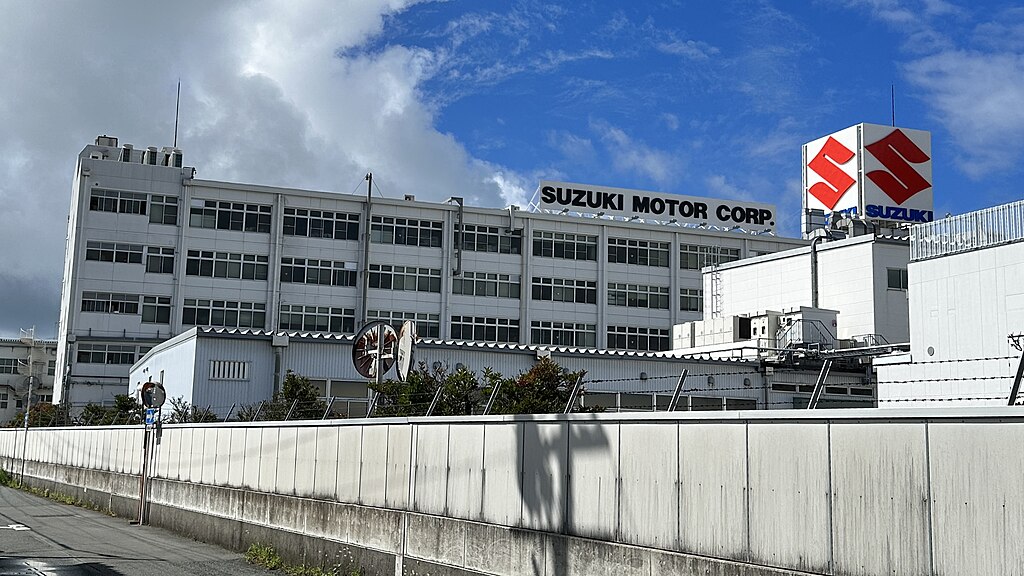
Suzuki Motor Corp. plans to nearly halve the time needed to develop new vehicles as the Japanese automaker seeks to keep pace with fast-moving Chinese car manufacturers and strengthen its position in the global automotive industry.
CEO Toshihiro Suzuki said Friday that the company aims to reduce its vehicle development cycle to 24 months by 2030, compared with the current 40 to 48 months.
“Chinese manufacturers have incredible speed,” Suzuki told reporters in Tokyo, adding that the automaker must find ways to accelerate its own development process to remain competitive.
The strategy highlights how Chinese automakers are reshaping global vehicle development standards. Companies including BYD, Leapmotor and Xiaomi have shortened traditional production timelines by relying on software-driven development, faster product updates and advances in electric vehicle battery technology.
Their rapid expansion is putting pressure on established Japanese, European and other global automakers to rethink how quickly they design, test and launch new models. Automakers that previously focused heavily on manufacturing efficiency and engineering precision are increasingly prioritizing faster innovation and shorter development cycles.
For Suzuki, the push for speed comes as India becomes an increasingly important part of its long-term growth strategy. The automaker withdrew from the U.S. car market in 2012 and ended vehicle sales in China in 2018, leaving India as its primary expansion market.
Suzuki plans to increase its manufacturing capacity in India to 4 million vehicles annually by 2030, up from less than 3 million units currently.
The company also sees substantial room for long-term growth in India’s automotive market. Suzuki expects the country’s car market could eventually expand to two or three times its current size over the coming decades.
By shortening vehicle development times while expanding production in India, Suzuki is seeking to respond more quickly to changing consumer demand and intensifying competition from Chinese automakers.







