


 Trump Suspends Some Morocco Fertilizer Tariffs to Ease U.S. Supply Shortage
  Israeli Airstrike Kills Three in Central Gaza Despite Ceasefire
  China Expands Export Controls, Adds 20 Japanese Companies to Restricted List
  Democratic Socialist Melat Kiros Unseats Rep. Diana DeGette in Colorado Democratic Primary
  FxWirePro: Daily Commodity Tracker - 21st March, 2022
  Trump Questions Housing Bill as He Prioritizes SAVE America Act
  Netanyahu Says Israel Will Stay in Southern Lebanon Until Hezbollah Threat Ends
  Trump Urges Gasoline Retailers to Cut Prices to $2.50 Per Gallon, Warns of Legal Action
  Canada Grants C$7 Million to Greenland Molybdenum Mine to Strengthen Critical Minerals Supply
  Ukraine Preparing for Possible Russian Offensive From Bryansk, Military Chief Says
  UN Chief Urges Nations to Close $100 Million UNRWA Funding Gap
  Australia, Vanuatu Sign Security Pact Amid Pacific Influence Competition


This is likely to mark the end of the two-party system that has prevailed for nearly four decades. The outcome of the vote nevertheless remains highly uncertain. At the very least, the status quo is unlikely to persist. Polls point to the ruling Partido Popular in a coalition, most probably with centre-right Ciudadanos, to remain in power. But the very high number of undecided voters (and the difficulty pollsters have had in predicting many election outcomes this year) means anything is possible, including an unstable minority govt or an alternative coalition altogether.
A PSOE-Podemos or PSOE-Ciudadanos govt are both still conceivable though polls suggest these outcomes are less likely. While a left-leaning majority would represent a clear break from the current status quo, PSOE would likely exert a moderating influence on Podemos, which has itself already rolled back from some of its more controversial proposals.
The coalition negotiations themselves could at the very least imply a prolonged period of policy uncertainty. This may weigh on business investment in particular--precisely at a time when the Spanish economy is becoming increasingly reliant on domestic demand. The fiscal/structural adjustment process also remains incomplete, and an inconclusive result may weigh on market sentiment (though seems less likely to materially impact EUR).

- News

- Economy

- Central Banks
- Investing
- Research
- Roundups
- Digital Currency
- Insights
- Technical Analysis
- Technology
- Business
- Law
- Health
- Nature
- Fintech
- Science
- Topic
- Opinions
- ©Econometrics LLC . All Rights Reserved.
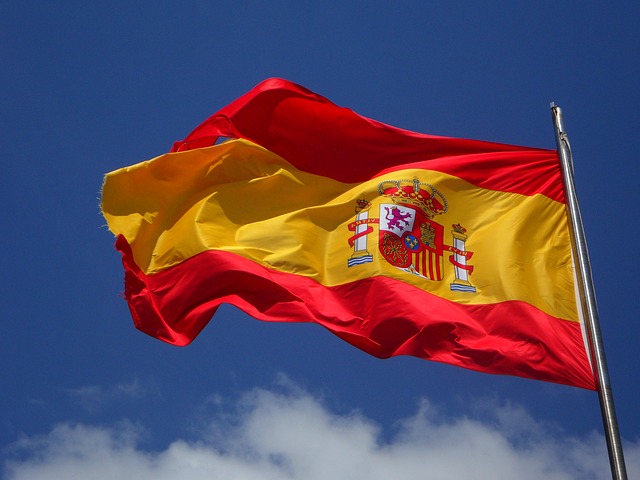
Spain heads to the polls this weekend for general elections
Thursday, December 17, 2015 11:14 PM UTC
Editor's Picks



- Market Data
Most Popular




