


 Rubio Directs U.S. Diplomats to Use X and Military Psyops to Counter Foreign Propaganda
  OpenAI Pulls the Plug on Sora, Ending $1 Billion Disney Partnership
  SpaceX Eyes Historic IPO at $1.75 Trillion Valuation
  Meta Ties Executive Pay to Aggressive Stock Price Targets in Major Retention Push
  NASA's Artemis II Mission: First Crewed Lunar Journey Since Apollo
  Britain Courts Anthropic Amid US Defense Department Dispute
  Nanya Technology Shares Surge 10% After $2.5 Billion Private Placement from Sandisk and Cisco
  Samsung Electronics Eyes Record Q1 Profit Amid AI-Driven Chip Boom
  NASA Artemis II: First Crewed Moon Mission Since Apollo Takes Four Astronauts on 10-Day Lunar Journey
  MATCH Act Targets ASML and Chinese Chipmakers in New U.S. Export Crackdown
  Chinese Universities with PLA Ties Found Purchasing Restricted U.S. AI Chips Through Super Micro Servers
  Annie Altman Amends Sexual Abuse Lawsuit Against OpenAI CEO Sam Altman
  Microsoft's $10 Billion Japan Investment: AI Infrastructure and Data Sovereignty Push
  Apple Turns 50: From Garage Startup to AI Crossroads
  Google's TurboQuant Algorithm Sends Memory Chip Stocks Tumbling


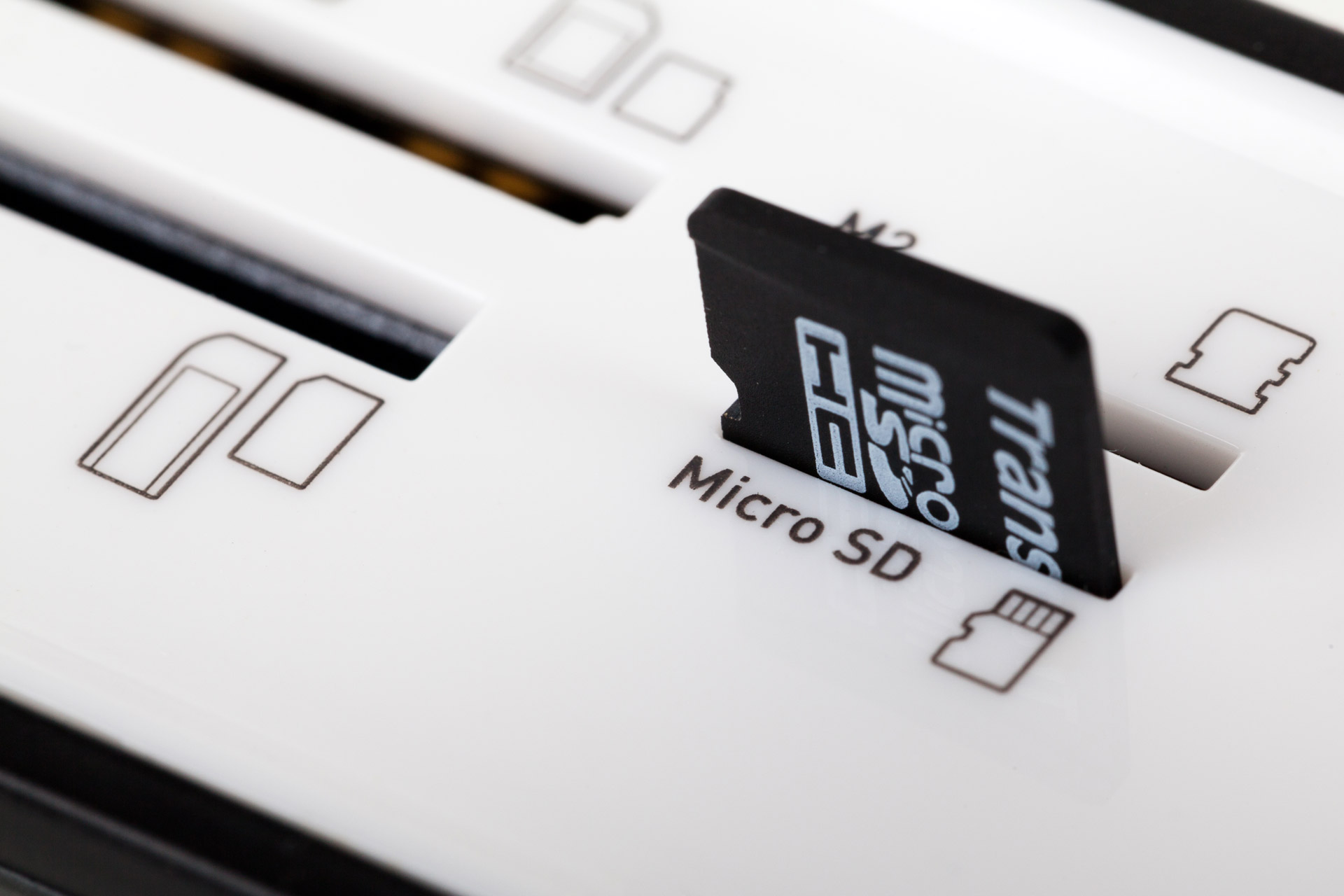
When it comes to micro storage devices, Samsung has been a major player in the industry, largely because of the innovations that they brought to the table. With the unveiling of their “Universal Flash Storage (UFS),” the world’s faster micro storage device, they have just added another notch on their impressive list of achievements.
The introduction of the “UFS” could spell the end for current micro-SD technology, PC World reports. The faster speed of the “UFS,” coupled with the large memory storage capacity make it a promising prospect that could one day be the dominant technology in terms of removable memory units.
Right now, micro-SDs are being used in a wide range of devices, from digital cameras to smartphones. As such, there is a huge market for micro storage devices. By introducing a much faster storage solution to a growing industry, Samsung could have just made the game-changing product that will dominate the market.
In terms of its biggest offering, which is its speed, “UFS” cards can read data at 530 mbps. That is five times what even the most expensive micro-SD cards are capable of right now, according to The Verge. This makes the “UFS” a no-brainer for those who want faster transfer and storage speeds that the micro-SD technology has not been able to fulfill.
To put this in perspective, Samsung states that it takes even the best UHS-1 micro-SD card 50 seconds to read a 5GB HD movie. With the “UFS” card that the South Korean company made, it only takes 10 seconds.
Writing speed with the “UFS” is also significantly higher at 170 mbps. That is double what micro-SD cards can do. It’s not as big of a difference in terms of the reading speed, but the difference is there nevertheless.
According to Samsung, the need for more powerful and faster micro storage devices has been spurred by the widespread trend of capturing HD videos and photos. Eventually, current micro-SDs will lag behind and frustrate users.







