


 What is Zionism? The different meanings of a contested term
  Kim Jong Un Pledges Deeper Russia Cooperation
  Trump Rejects Calls for Tougher AI Regulation
  US Confirms Weapons in Orbit as Space Tensions Rise
  Saudi Arabia Raises Security Alerts as Houthi Attacks Threaten Oil Routes
  Philippines Holds Historic Bangsamoro Election Amid Tight Security
  China’s Global Times Slams Anthropic CEO’s AI Slowdown Plan as ‘Cold War’ Strategy
  U.S. Imposes New Visa Restrictions Over South Africa Policies
  Houthis Escalate Saudi Attacks as Red Sea Oil Risks Grow
  Ovechkin Faces Scrutiny Over United Russia Campaign Video
  Vietnam, U.S. Firms Plan 29 Deals Across Energy, Tech and Aviation
  Nvidia CEO Jensen Huang Expected at Trump-Xi State Dinner
  Mahmoud Khalil Sues Columbia Over Alleged Pro-Palestinian Harassment
  Lula, Flavio Bolsonaro Deadlocked in Brazil Election Polls
  Trump Open to Chinese Automakers Building Cars in US
  Trump Touts $5,000 Checks if Republicans Win Congress
  UK PM Andy Burnham Set for First Trump Meeting in New York


 Add as a preferred source on Google
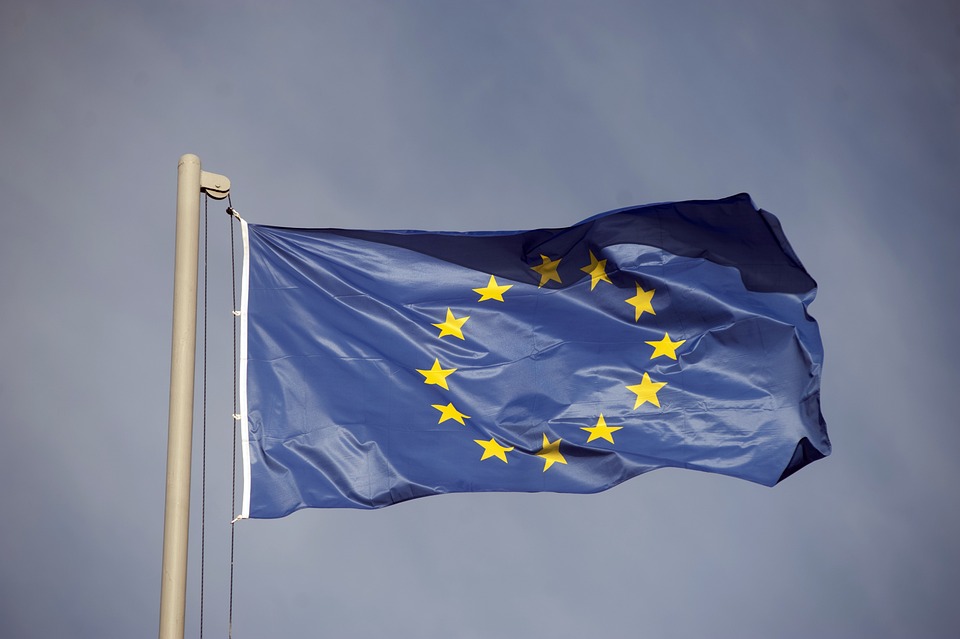
Representatives of the countries in the European Union are set to discuss a recent move by Poland and Hungary to temporarily ban food imports from Ukraine. Warsaw and Budapest are expected to offer an explanation for the move to ban agricultural imports from Ukraine.
A senior EU official said on Monday that representatives of the EU member countries are expected to discuss Poland and Hungary’s latest moves to temporarily ban agricultural imports from Ukraine. The official explained that low global prices and demand meant that the grain was staying within the bloc rather than being sold. The oversupply of Ukrainian grain turned into an issue by the ruling political party in Poland.
“We expect Poland and Hungary to offer some explanation and there will also be a reaction by the European Commission,” said the official. “There is an issue and we expect the European Commission to come up with a proposal on that. We’ll see what we can do in the coming weeks and months.”
The Ukrainian agriculture minister said Kyiv wants to reopen food and grain transit through Poland as the first step in talks in Warsaw on Monday.
Slovakia has also followed suit by temporarily banning agricultural imports from Ukraine, except for grain, over the same fears that the oversupply of Ukrainian imports has pushed prices down and put local farmers at risk.
Hungarian agriculture minister Sandor Farkas also warned that if the EU does not take sufficient action to protect Hungarian farmers, the temporary ban may be extended past June.
The bloc removed all duties on Ukrainian grain and introduced a “solidarity lane” to make sure that there are no global obstacles in global exports. This followed the brokering of the Black Sea Deal that ended the Russian blockade of all exports of Ukrainian agricultural products since the invasion.
The move, however, has drawn the ire of farmers across Eastern and Central Europe.
On the same day, the British defense ministry, in its intelligence bulletin, said Ukraine is reporting mine-related civilian casualties in territories previously occupied by Russia, such as Kharkiv and Kherson. The ministry said that this may likely increase as the season changes and as more people participate in agricultural activities.
The ministry said that since Russia’s invasion of Ukraine in February, there had been only 750 reported mine-related casualties among civilians. It might take at least a decade for Ukraine to be completely free of mines.







