


 Microsoft Eyes $7B Texas Energy Deal to Power AI Data Centers
  SMIC Allegedly Supplies Chipmaking Tools to Iran's Military, U.S. Officials Warn
  Apple Turns 50: From Garage Startup to AI Crossroads
  Europe's Aviation Sector on Track to Meet 2025 Green Fuel Mandate
  SoftwareONE Posts 22.5% Revenue Surge in 2025 on Crayon Acquisition
  Nike Beats Q3 Estimates but China Weakness and Margin Pressure Weigh on Outlook
  Nomura Upgrades PDD Holdings to Buy, Calls Stock Too Cheap to Ignore
  Eli Lilly and Insilico Medicine Forge $2.75 Billion AI-Driven Drug Discovery Deal
  Bank of America's $72.5M Epstein Settlement: What You Need to Know
  Novartis to Acquire Biotech Firm Excellergy in $2 Billion Deal
  Federal Judge Blocks Pentagon's Blacklisting of AI Company Anthropic
  Jefferies Upgrades Sodexo to Buy With €55 Target After Historic CEO Appointment
  Brazil Meat Exports Weather Iran War Disruptions With Rerouted Shipments
  Brown-Forman and Pernod Ricard in Merger Talks to Create World's Largest Spirits Giant
  Russell 1000 Companies Hit $2.2T Cash Record While Aggressively Reinvesting in Growth
  Norma Group Posts Revenue Decline in 2025, Eyes Modest Recovery in 2026
  Unilever and Magnum Face Defamation Lawsuit Over Ben & Jerry's Board Chair Dismissal


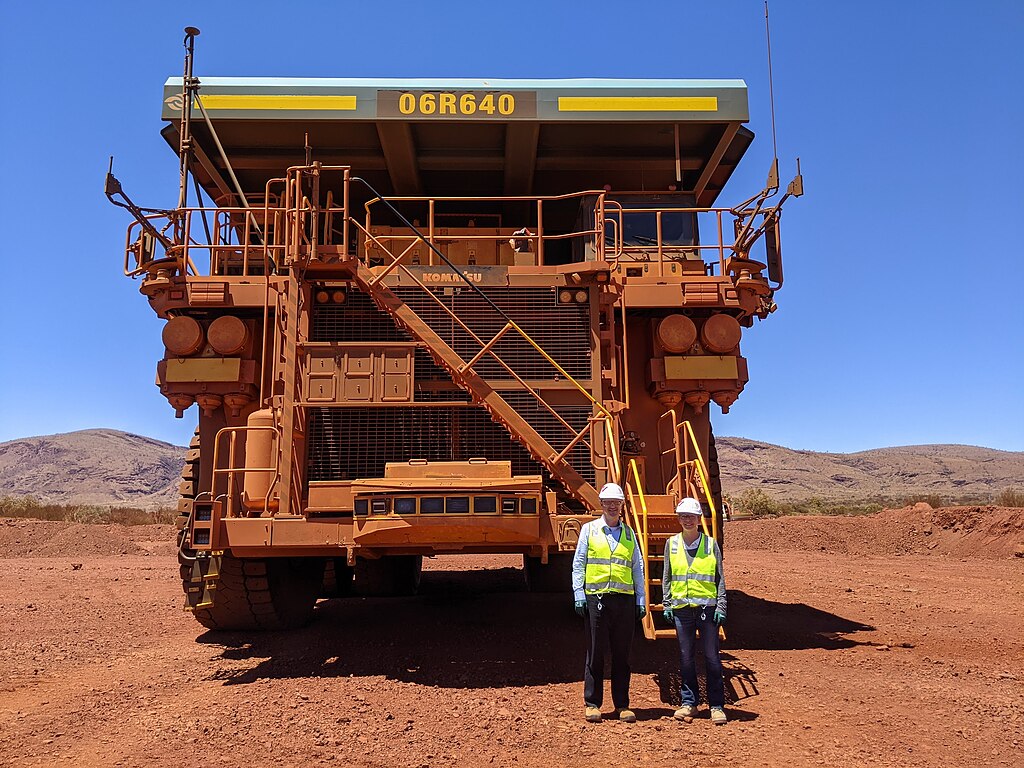
Rio Tinto has confirmed it is in early-stage discussions with Glencore about a potential acquisition that could create the world’s largest mining company, with a combined market valuation approaching $207 billion. The news has generated widespread reaction from investors and analysts, many of whom see strategic logic in the deal but warn of significant risks around valuation, asset mix, and shareholder alignment.
Several Rio Tinto investors have stressed that any transaction must be highly disciplined. Wilson Asset Management portfolio manager John Ayoub said Rio holds the stronger asset base and should not pay a premium that dilutes shareholder value. He emphasized that synergies should benefit Rio shareholders rather than be “paid away” to Glencore. Ayoub also noted that coal assets would likely need to be divested to secure support from Australian investors, as Rio has traditionally focused on iron ore, copper, aluminium, and more recently lithium.
Andy Forster, senior portfolio manager at Argo Investments, described the potential deal as sensible if pricing and terms are right. He highlighted cultural differences between the two companies, noting Glencore’s trading-driven and opportunistic approach could introduce both risks and opportunities for Rio. Maintaining capital discipline, he said, will be critical.
Analysts have echoed these concerns. Tim Hillier of Allan Gray warned that overpaying could destroy shareholder value, especially given Rio Tinto’s strong pipeline of internal growth projects. He questioned the strategic need for a large external acquisition at this stage. RBC analyst Kaan Peker added that reintroducing coal exposure would be unacceptable to many European shareholders, reinforcing expectations that coal assets would be spun off or sold.
Jefferies analysts outlined multiple complex structural scenarios, including potential demergers, separate listings, and an all-share acquisition following a Glencore coal spin-off. While such structures could unlock synergies, particularly in marketing and base metals, they would also pose tax and execution challenges.
Overall, while a Rio Tinto–Glencore merger could reshape the global mining industry, investor reaction suggests success will depend heavily on price discipline, asset simplification, and strategic clarity.







