Lead researcher Frederik Schaltz-Buchholzer said the proposed newborn hepatitis B trial in Guinea-Bissau will not proceed, after Health Minister Quinhin Nantote said the ministry had not authorized it as described publicly.
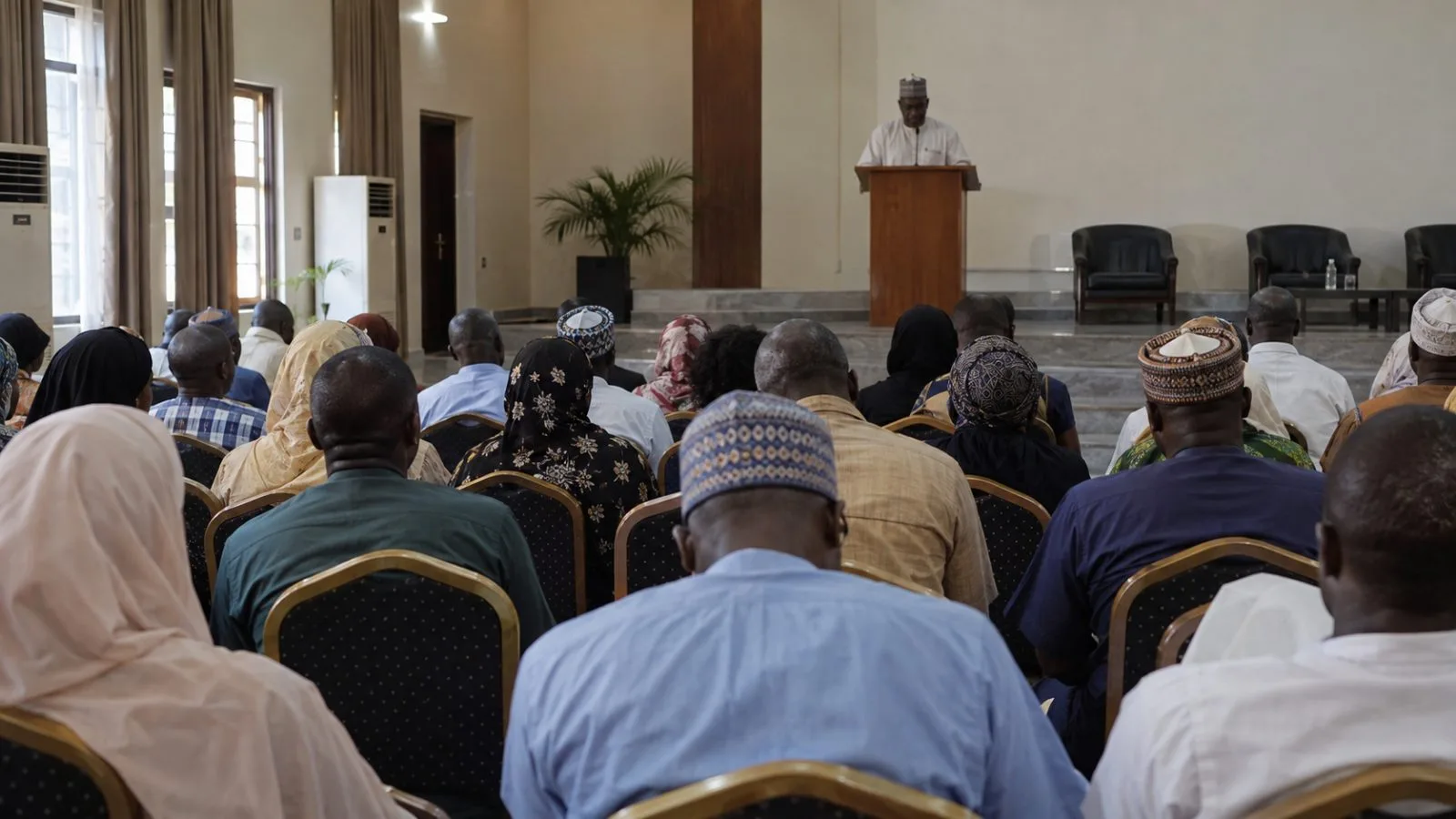
Nantote made that statement Oct. 13. Schaltz-Buchholzer said the study had received ethical approvals in Guinea-Bissau and Denmark, but cited the lack of necessary government approval as the reason it would not move forward.
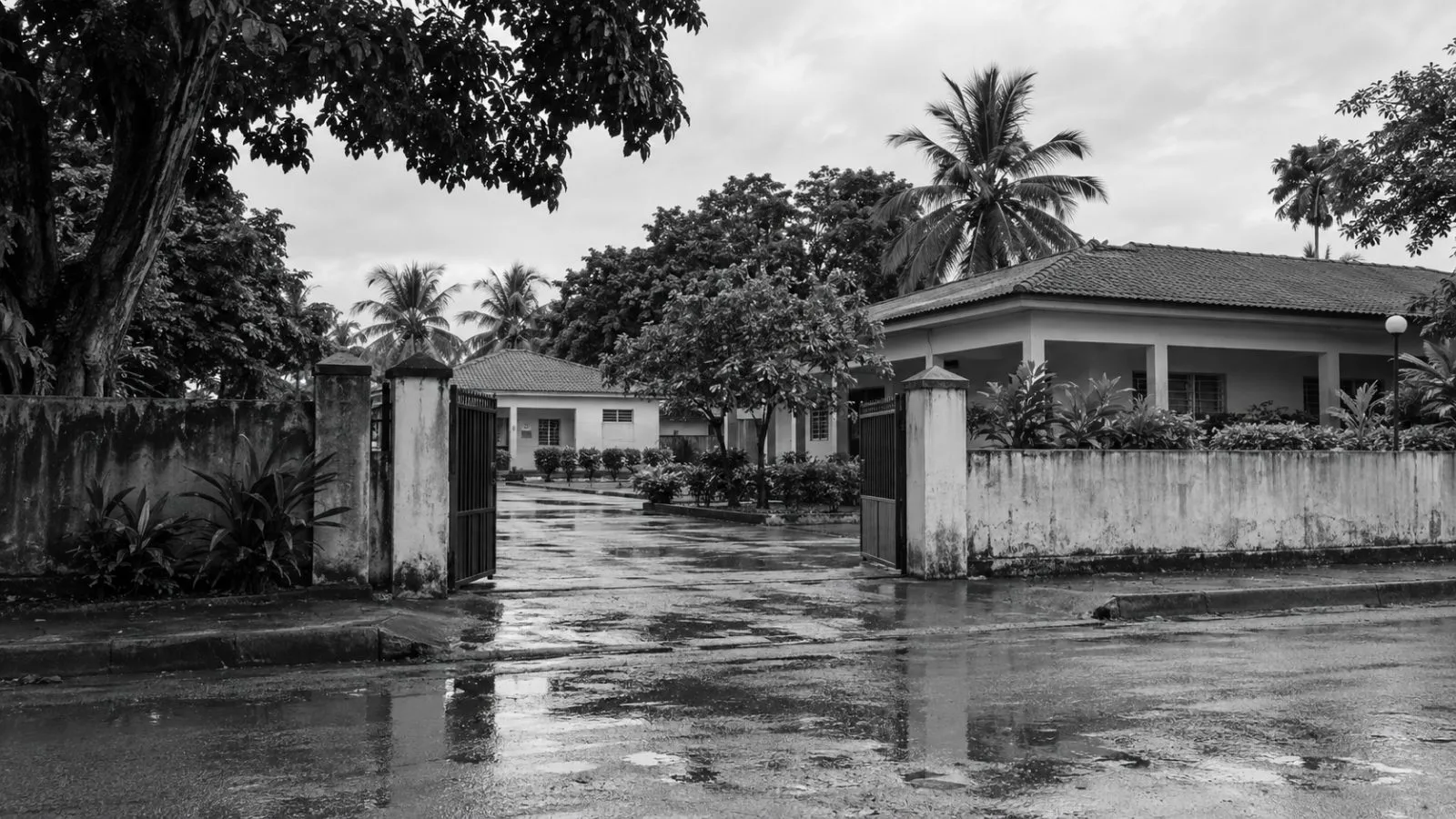
Guinea-Bissau’s Judicial Police said investigators searched the Bandim Health Project’s offices in Bissau on Oct. 19 and seized hepatitis B vaccines intended for children. Police said the seizure was part of an investigation and did not, by itself, establish a problem with the vaccines’ quality, safety or effectiveness.
A Federal Register notice lists an estimated $1.6 million award to the University of Southern Denmark, subject to funding availability, for a single-blind phase IV trial involving more than 14,000 newborns. The five-year award period listed runs from Jan. 5, 2026, through Jan. 4, 2031. The CDC described the study as an examination of mortality, illness and long-term development after vaccination at birth, rather than a test of whether the vaccine prevents hepatitis B.
A public protocol dated Jan. 16 proposed enrolling at least 14,500 newborns over two years. One group would receive the hepatitis B birth dose alongside BCG and oral polio vaccines; the other would receive those two vaccines without the hepatitis B dose. The protocol’s primary measure was death from any cause or a first nonfatal hospital admission for infection by 42 days of age.
Schaltz-Buchholzer later said the design had changed. The Guardian reported that a revised protocol had not been made public. The World Health Organization (WHO) has said the birth dose prevents 70% to 95% of mother-to-child hepatitis B transmission and raised concerns about the proposed study’s scientific basis and ethical safeguards, including the risk to infants in the group without the dose.
WHO says Guinea-Bissau planned to add the birth dose to its national vaccination schedule by 2028.