


 Anthropic Eyes $350 Billion Valuation as AI Funding and Share Sale Accelerate
  Nvidia, ByteDance, and the U.S.-China AI Chip Standoff Over H200 Exports
  AMD Shares Slide Despite Earnings Beat as Cautious Revenue Outlook Weighs on Stock
  Ford and Geely Explore Strategic Manufacturing Partnership in Europe
  Rio Tinto Shares Hit Record High After Ending Glencore Merger Talks
  SoftBank Shares Slide After Arm Earnings Miss Fuels Tech Stock Sell-Off
  Alphabet’s Massive AI Spending Surge Signals Confidence in Google’s Growth Engine
  Nvidia Nears $20 Billion OpenAI Investment as AI Funding Race Intensifies
  SoftBank and Intel Partner to Develop Next-Generation Memory Chips for AI Data Centers
  Nvidia CEO Jensen Huang Says AI Investment Boom Is Just Beginning as NVDA Shares Surge
  Amazon Stock Rebounds After Earnings as $200B Capex Plan Sparks AI Spending Debate
  Uber Ordered to Pay $8.5 Million in Bellwether Sexual Assault Lawsuit
  SpaceX Prioritizes Moon Mission Before Mars as Starship Development Accelerates
  FDA Targets Hims & Hers Over $49 Weight-Loss Pill, Raising Legal and Safety Concerns
  Jensen Huang Urges Taiwan Suppliers to Boost AI Chip Production Amid Surging Demand
  Palantir Stock Jumps After Strong Q4 Earnings Beat and Upbeat 2026 Revenue Forecast


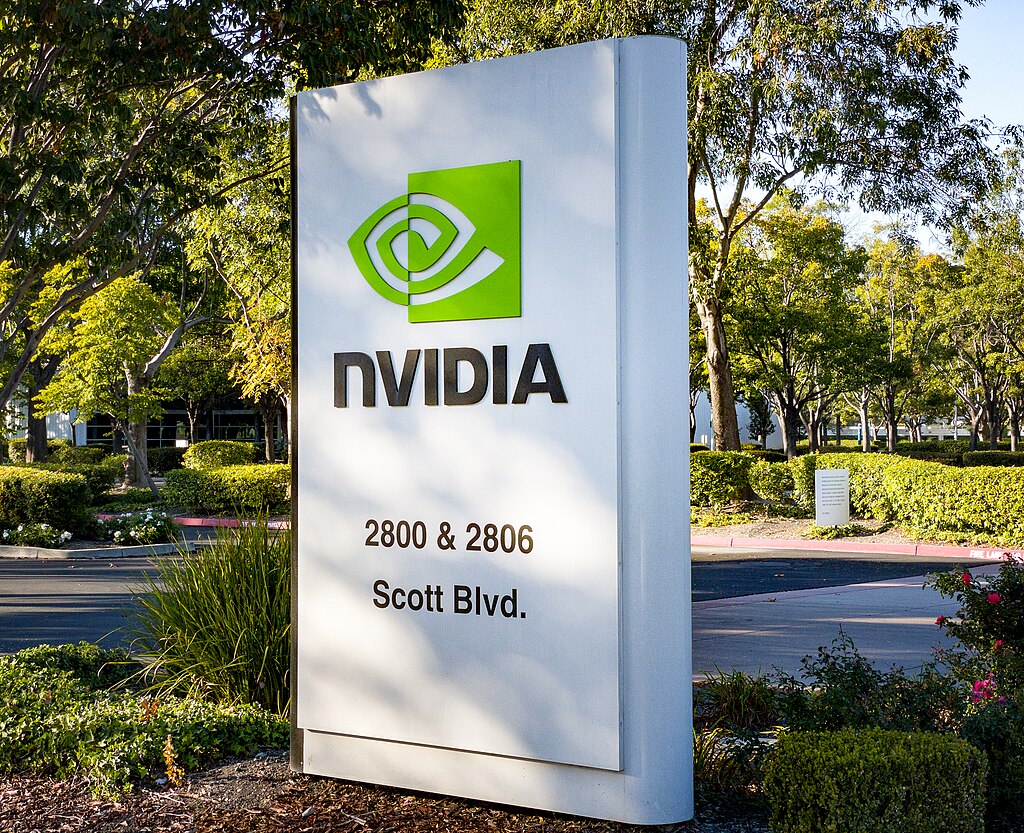
NVIDIA (NASDAQ: NVDA) has reportedly agreed to acquire Groq, a fast-growing designer of high-performance artificial intelligence accelerator chips, in a $20 billion all-cash transaction, according to a CNBC report. The deal, if finalized, would mark Nvidia’s largest acquisition to date and further solidify its leadership in the rapidly expanding AI hardware market.
The report cites Alex Davis, chief executive of Disruptive and a long-time investor in Groq, who said the agreement came together quickly. This follows Groq’s recent $750 million funding round, which valued the startup at approximately $6.9 billion just months ago. Disruptive alone has invested more than $500 million in Groq since the company’s founding in 2016, highlighting strong long-term confidence in its technology and growth potential.
Groq has attracted a high-profile list of investors, including BlackRock, Neuberger Berman, Samsung, Cisco, Altimeter, and 1789 Capital. The startup is expected to formally notify investors about the acquisition later on Wednesday. While the transaction includes Groq’s core assets and chip technology, its early-stage cloud business is reportedly excluded from the deal.
Founded by former engineers who worked on Google’s tensor processing unit (TPU), Groq was created to develop chips capable of competing with Nvidia in demanding artificial intelligence workloads. Its technology focuses on high-speed, low-latency AI inference, an area that has become increasingly important as enterprises deploy large-scale AI models across industries.
For Nvidia, the acquisition underscores its strategic push to strengthen its position in advanced AI accelerators amid intensifying competition and soaring global demand for AI computing power. By integrating Groq’s talent and technology, Nvidia could expand its product portfolio, enhance performance capabilities, and reinforce its dominance in the AI chip ecosystem.













