


 Every generation thinks they had it the toughest, but for Gen Z, they’re probably right
  Columbia Student Mahmoud Khalil Fights Arrest as Deportation Case Moves to New Jersey
  Bathla Group Hires Administrators as Australia Housing Slump Deepens
  Time to buy local: war fuel price shocks reveal the folly of a long food supply chain
  SEC Probes Banks Over Situational Awareness Hedge Fund Collapse
  Nvidia Reportedly Eyes $13 Billion Hugging Face Acquisition
  Trian Drops Wendy’s Take-Private Bid Plans, Shares Plunge 14%
  Google Expands Gemini Enterprise With AI Tools for Legal Sector
  Why a ‘rip-off’ degree might be worth the money after all – research study
  Want to cut your energy bills? Here’s how five experts are doing it
  Trump Buys SpaceX Shares After Record IPO
  Locked up then locked out: how NZ’s bank rules make life for ex-prisoners even harder
  OpenAI Data Center Chief Chris Malone Exits Ahead of Planned 2027 Listing
  Salesforce Shares Surge as AI Demand Powers Q2 Earnings Beat


 Add as a preferred source on Google
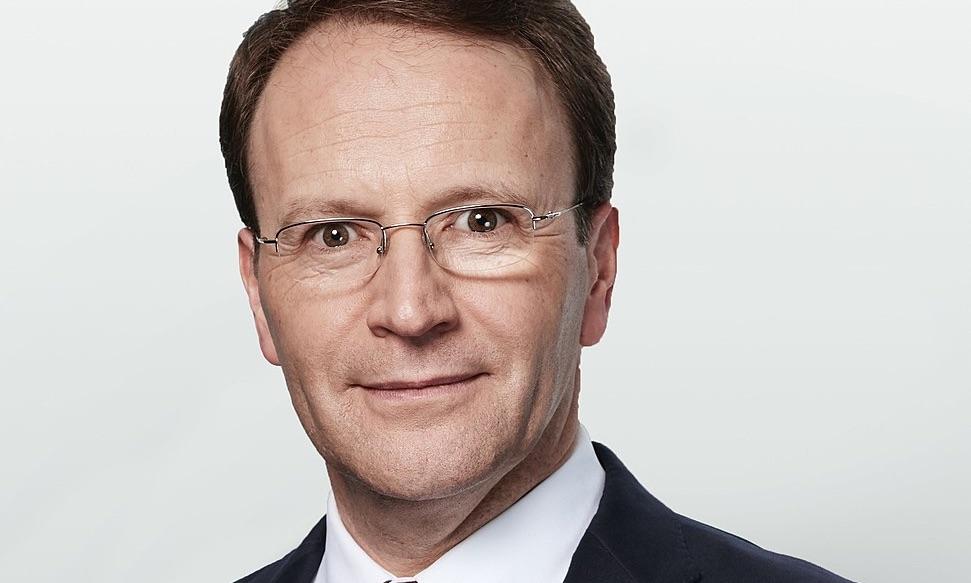
Nestle’s CEO, Mark Schneider, will step down after eight years at the helm, effective September 1. Laurent Freixe, head of Nestle’s Latin America division, will succeed him. Schneider expressed pride in transforming Nestle into a more innovative and sustainable company during his tenure.
Mark Schneider to Step Down as Nestle CEO After 8 Years, Succeeded by Laurent Freixe
According to Fortune, after eight years of leadership, Nestle's Chief Executive, Mark Schneider, will step down from his role at the Swiss food group. Schneider will be succeeded by Laurent Freixe, currently the head of Nestle's Latin America division. The company announced on August 22 that Schneider “has decided to relinquish his roles as CEO and member of the Board of Directors,” with the transition effective on September 1.
Schneider expressed his gratitude for his tenure, saying, “Leading Nestle for the past eight years has been an honor. I am grateful for what we have achieved, having transformed Nestle into a future-proofed, innovative, and sustainable business.”
Freixe, who joined Nestle in France in 1986, has had a distinguished career. He successfully managed Nestle’s European zone during the 2008 financial crisis and continued until 2014. Freixe was then appointed CEO of the Americas region before taking charge of the newly created Latin America zone in 2022, where he has been credited with navigating challenging conditions. Freixe has also been proposed as a candidate for the board of directors at Nestle's 2025 annual general meeting.
Nestle Lowers 2024 Sales Growth Forecast Amid Pricing Adjustments and Ongoing Controversies
In recent developments, Nestle, which oversees brands such as Nespresso, Purina, and Haagen-Dazs, lowered its sales growth projection for 2024 due to a reduction in price increases during the first half of the year. The global packaged food industry, including Nestle, has seen significant sales growth over the past three years as companies raised prices to counter rising inflation.
Nestle has also faced controversy recently. The Swiss NGO Public Eye accused the company of selling infant food with high levels of added sugar in low-income countries while not doing so in wealthier nations. Nestle has defended its practices by applying the same nutrition and health principles globally and not operating with a "double standard."







