


 Michelle Bachelet Withdraws From UN Secretary-General Race
  US, Denmark and Greenland Set to Sign Arctic Security Deal
  Trump-Xi Summit Puts Trade Truce and Taiwan in Focus
  Lula Meets Mamdani in New York as Elections Approach
  Carney Condemns Belleville Synagogue Shooting That Wounded Police Officer
  Diana’s Brother Backs Security for Harry and Meghan
  AfD Wins German State Election as Merz’s CDU Hits Historic Low
  Trump Administration Prepares Sanctions Against Entire ICC
  Trump Scales Back Endangered Species Act Protections
  South Korea to Brief Lawmakers on $350 Billion US Investment Package
  North Korea Fires Two Ballistic Missiles From Wonsan
  CNN, MS NOW and Politico Sue Trump Over White House Media Ban
  Zelenskiy Meets CIA Chief John Ratcliffe at Ireland’s Shannon Airport
  Macron, Trump Discuss Ukraine-Russia Energy Strike Moratorium
  US Plans Two New Military Bases in Greenland Under Arctic Deal
  Canada Unveils Bill to Fast-Track Major Resource Projects
  United Russia Leads Russia Election as Ukraine Drones Hit Moscow


 Add as a preferred source on Google
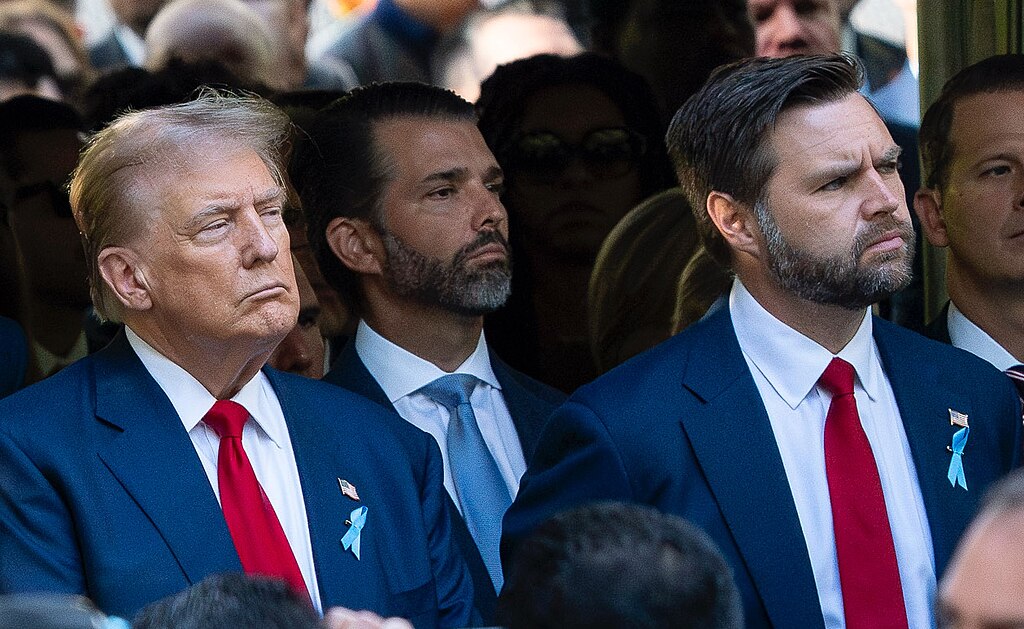
In an unprecedented political shift, the 2024 U.S. presidential election saw every state move toward the Republican Party compared to the 2020 results. This nationwide trend culminated in former President Donald Trump's victory over Vice President Kamala Harris, flipping key battleground states and securing a majority in both the Electoral College and the popular vote.
Republican Gains Across the Nation
According to data from the Associated Press, Trump increased his vote total by approximately 2.5 million compared to 2020, winning a higher percentage of votes in all 50 states and more votes in 40 states. Notably, he made significant inroads in urban counties such as Detroit, Milwaukee, and Philadelphia, which are typically Democratic strongholds. These gains were partly attributed to increased support from younger Black and Latino voters. Additionally, Trump performed well in battleground states, often gaining more votes than Harris managed to increase over Biden's totals. Despite lower turnout overall, Trump's strategic focus and appeal to middle-income, non-college-educated voters helped him win the Electoral College and a majority of the popular vote. Democrats now face the challenge of regaining momentum before the midterm elections in 2026.
Impact on Traditional Democratic Strongholds
The Republican surge extended to traditionally Democratic states. For instance, in New York, Trump increased his vote share from 37.74% in 2020 to 44.17% in 2024, marking a 6.43% swing toward the GOP. Similar trends were observed in New Jersey, Florida, California, and Massachusetts, each experiencing shifts of approximately 4 to 5 percentage points in favor of Republicans. These shifts indicate a broad-based realignment of voter preferences across the country.
Public Reaction
The election results have sparked diverse reactions on social media. Twitter user @PoliticalAnalyst2024 remarked, "The GOP's nationwide gains reflect a significant shift in the American political landscape." Conversely, @DemVoter expressed concern, stating, "Every state moving right is alarming for the future of progressive policies." User @SwingStateWatcher noted, "Even traditional blue states weren't immune to the red wave." Meanwhile, @UrbanVoter2024 commented, "Urban areas shifting toward Republicans is a wake-up call for Democrats." User @ElectionDataGeek added, "The data shows a clear trend of Republican gains across the board." Lastly, @PolicyWonk2024 questioned, "What strategies will Democrats employ to counter this nationwide shift?"
Implications for Future Elections
The comprehensive shift toward the Republican Party in 2024 poses significant challenges for Democrats as they strategize for future elections. Rebuilding support in both traditional strongholds and contested regions will be crucial. Addressing the concerns of demographics that swung toward the GOP, such as younger minority voters and residents of urban areas, will be essential for crafting effective campaign strategies moving forward.







