


 Honda Targets $9.4 Billion in Cost Cuts as China EV Competition Intensifies
  Thomson Reuters C-Track Cyberattack Hits Courts Across U.S. and Canada
  ByteDance Secures $29.6 Billion Loan to Boost AI Investment
  Volkswagen Approves 50,000 More Job Cuts in Major Restructuring
  U.S. Probes Apex Logistics Over Nvidia AI Chip Shipments to China
  Xiaomi Shares Jump on Europe EV Expansion Plan
  Anthropic Nears $15 Billion Credit Deal Ahead of IPO
  Nvidia Eyes $2.5 Billion Investment in Thinking Machines Lab
  Lynas Rare Earths Shares Rise After Takeover Talks Revealed
  Deutsche Telekom Shares Rise as Elliott Pushes Against T-Mobile Merger
  US Tech Giants’ AI Bond Boom Raises Euro Zone Borrowing Risks
  SEC Seeks ISS Client Voting Records in Proxy Adviser Probe
  Faraday Future Delivers First Robots in Middle East, Plans September Launches
  South Korea Unveils Record $597 Billion 2027 Budget to Boost AI and Chips
  OpenAI Rejects Apple Trade Secret Theft Claims
  Microsoft to Reveal Azure Revenue in Major Reporting Shake-Up
  Lenovo Shares Fall After Dropbox Security Breach Exposes ID Vulnerability


 Add as a preferred source on Google
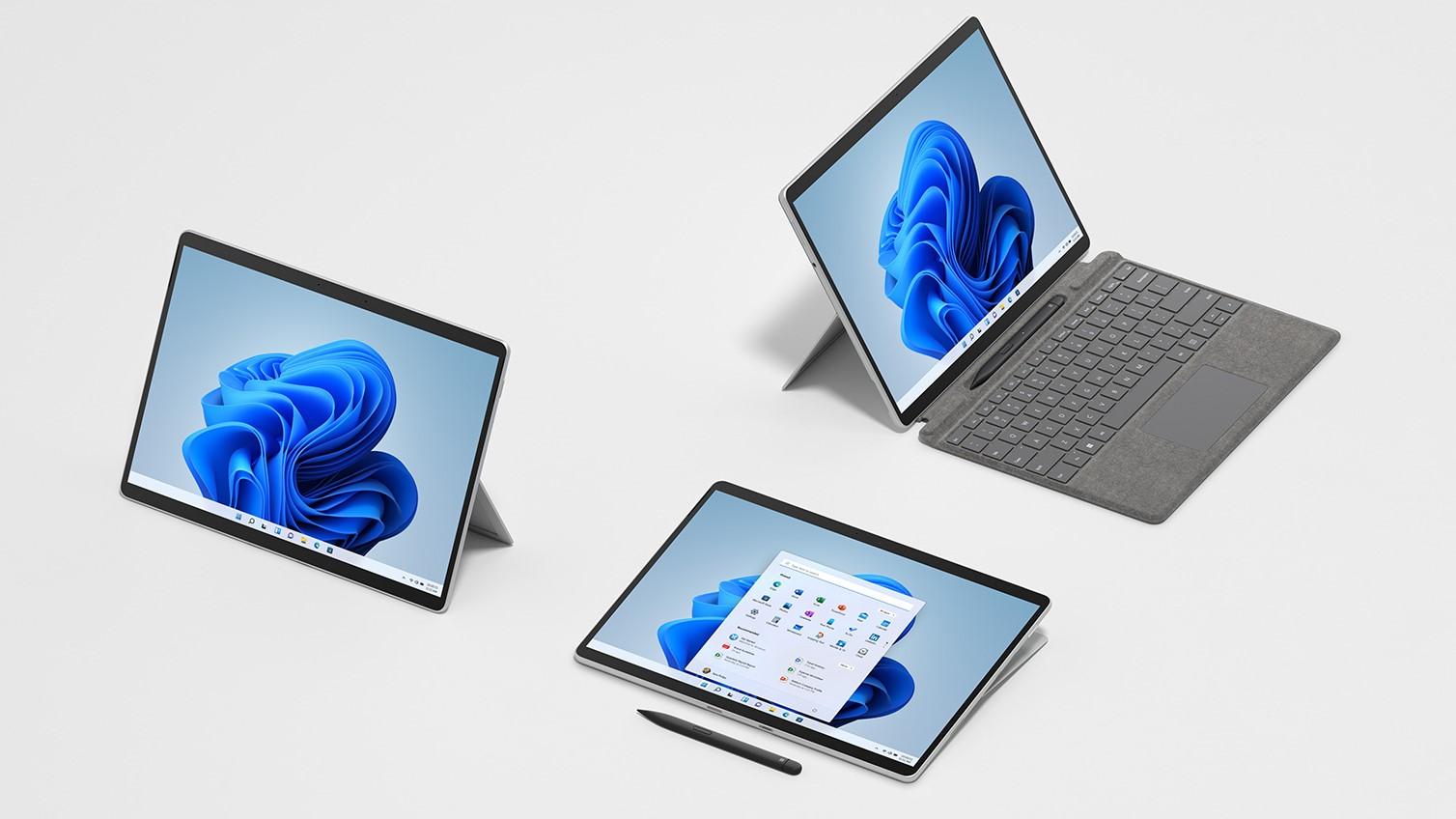
Microsoft is gearing up to launch the next generation of its iconic Surface Pro and Laptop devices. It is poised to bring a wave of technological advancements that could reshape how we perceive portable computing. Leveraging ARM technology and incorporating innovative AI features, these devices are expected to set new standards for performance and user interaction.
ARM Technology Integration
The heart of Microsoft's ambitious endeavor lies in adopting ARM (Advanced RISC Machine) architecture, a departure from the conventional x86 architecture seen in previous Surface devices.
Drawing insights from The Verge, this shift is expected to unlock many benefits, including improved energy efficiency and performance. ARM processors are known for their power-efficient design, allowing for prolonged battery life without compromising processing power.
The move to ARM architecture aligns with Microsoft's strategy to create more versatile and adaptable devices. ARM-based chips are prevalent in mobile devices, providing a seamless transition between traditional computing and the agility required for modern, on-the-go lifestyles.
This integration also opens doors for potential collaboration with mobile app developers, potentially expanding the application ecosystem for Surface devices.
AI Innovation at the Core
As outlined in a recent article on Neowin, accompanying the transition to ARM architecture is a substantial focus on artificial intelligence, a move aimed at enhancing user experience and device intelligence.
Microsoft envisions its future Surface Pro and Laptop to be more intuitive and responsive, adapting to user behavior and preferences over time.
Sources suggest that Microsoft invests heavily in AI-driven features, ranging from smart assistants to predictive capabilities anticipating user needs.
This strategic emphasis on AI aligns with the broader industry trend of integrating machine learning and neural networks into everyday devices, creating a more personalized and efficient computing experience.
Redesigned Aesthetics and Connectivity
While details on the physical design remain speculative, rumors indicate a potential overhaul in aesthetics for the Surface Pro and Laptop. The objective is to create a sleeker and more modern appearance, complementing the advanced technology housed within.
Moreover, Microsoft is expected to introduce enhanced connectivity options, catering to the evolving demands of remote work and digital collaboration. This could include integrating the latest Wi-Fi standards and USB-C ports, providing users with a versatile range of connectivity options.
As Microsoft prepares to unveil its future Surface Pro and Laptop models, incorporating ARM technology and AI innovation promises a quantum leap in portable computing.
The fusion of power-efficient ARM processors and intelligent AI features is poised to redefine the capabilities of these devices, setting a new benchmark for the industry.








