


 OpenAI Pulls the Plug on Sora, Ending $1 Billion Disney Partnership
  Samsung Electronics Eyes Record Q1 Profit Amid AI-Driven Chip Boom
  Federal Judge Blocks Pentagon's Blacklisting of AI Company Anthropic
  Meta and Google just lost a landmark social media addiction case. A tech law expert explains the fallout
  Microsoft Eyes $7B Texas Energy Deal to Power AI Data Centers
  Britain Courts Anthropic Amid US Defense Department Dispute
  NASA's Artemis II Mission: First Crewed Lunar Journey Since Apollo
  Apple Turns 50: From Garage Startup to AI Crossroads
  Annie Altman Amends Sexual Abuse Lawsuit Against OpenAI CEO Sam Altman
  SK Hynix Eyes Up to $14 Billion U.S. IPO to Fund AI Chip Expansion
  California's AI Executive Order Pushes Responsible Tech Use in State Contracts
  Nanya Technology Shares Surge 10% After $2.5 Billion Private Placement from Sandisk and Cisco
  NASA Artemis II: First Crewed Moon Mission Since Apollo Takes Four Astronauts on 10-Day Lunar Journey
  Rubio Directs U.S. Diplomats to Use X and Military Psyops to Counter Foreign Propaganda
  Reflection AI Eyes $25 Billion Valuation in Massive $2.5 Billion Funding Round


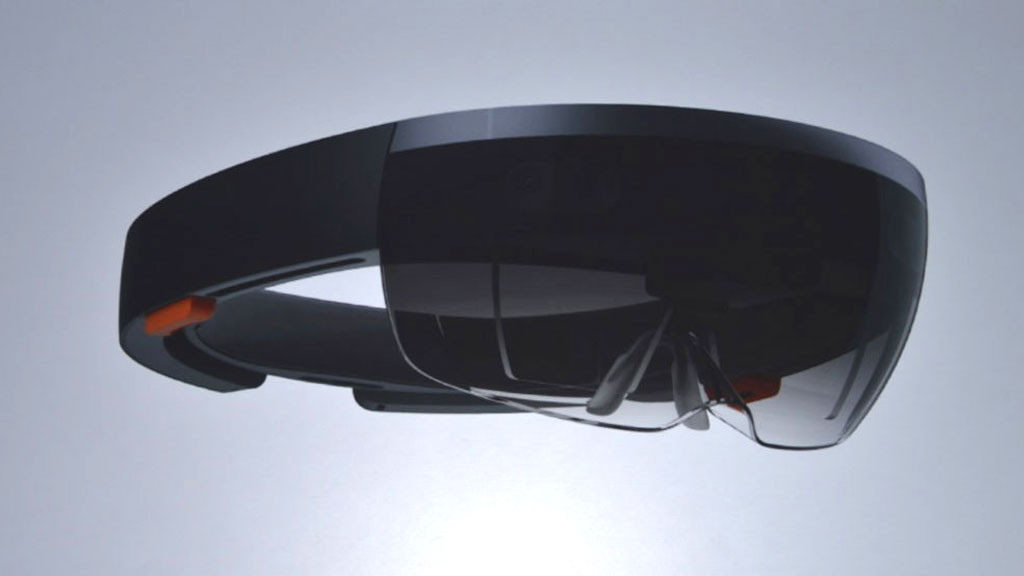
Microsoft is offering its “HoloLens” to anyone who can afford the $3,000 price tag that the gadget package comes with. This is a departure from the previous process, wherein buyers needed to pass some tests before they were eligible to get the headset. Many might think that this makes for a fairer market, but some are arguing that it could result in wasted purchases.
The “HoloLens” is now available in the U.S. and Canada, PC Mag reports. This followed the first batch of the augmented reality devices that were released already and comes with the condition that it is meant only for the use of developers, as well as business customers. Customers also agree not to sell the wearable device once they have bought it for themselves, and they can only buy a maximum of five.
One of the reasons for why Microsoft decided to expand the number of customers that they are selling the “HoloLens” to is to encourage developers to create their own products that are compatible with the headset. Windows technical fellow Alex Kipman said as much on a post.
"In the four months since we began shipping Microsoft HoloLens to our developer and commercial partners, we've been absolutely amazed at the innovation shown by the creative people and companies building real solutions using HoloLens," he wrote.
However, CNET argues that customers should be reconsider buying the AR headset, at least if they are only planning on using it for fun. The site noted the fine print that came with buying the “HoloLens,” which indicated that all sales are final. This meant that customers would not be able to get refunds if they decided that the headset was not working for them.
There’s also the question of market potential with regards to the device. Right now, there isn’t much of a market for the “HoloLens” and products like it, and there’s no indication as to when there will actually be one. As such, developers will be the only ones to likely get anything out of buying the headset.







