


 Volkswagen Shares Slide After 2026 Profit Outlook Cut
  fnny Beta Launches With a Simple Idea: Find an Event, Show Up, Get Rewarded
  Telix to Acquire Germany’s ITM in $1.65 Billion Radiopharma Deal
  Nike Earnings at Risk as UBS Cuts Price Target to $42
  Meta Partners With Shopify to Bring Shop Pay Checkout to Muse AI
  Paramount-Warner Bros $110 Billion Deal Draws Antitrust Backlash
  Supertanker Orders Surge as US-Iran War Reshapes Oil Trade
  Apple Pay Set for India Launch With Axis Bank
  Prysmian, Rio Tinto Supply Low-Carbon Cables for Amazon Ohio Data Center
  OpenAI Urges US-Led Global Standards for Frontier AI
  Goldman Sachs Names Simon Lyons UK Investment Banking Co-Head
  NASA, Boeing Discuss Expanding Starliner Missions
  Trump Bans CNN, MS NOW and Politico From White House
  Petrobras Joins Brazil’s New Diesel Subsidy Program
  Hyundai CEO Warns Chinese Automakers Could Disrupt US Market
  Trump Plans Federal AI Force and AI Czar
  China Vanke Shares Jump as Beijing Moves to Ease Debt Pressure


 Add as a preferred source on Google
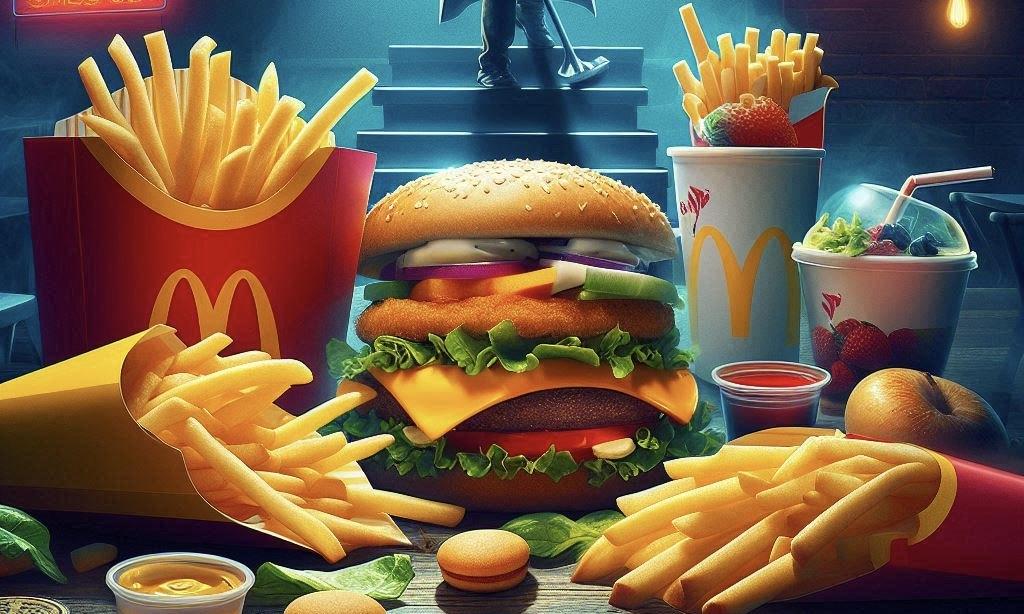
McDonald's recently made headlines with the introduction of its $5 Meal Deal, a strategic move aimed at attracting cost-conscious customers and increasing foot traffic. This limited-time offer, launched last month, includes a sandwich, chicken nuggets, fries, and a drink for just five dollars, sparking curiosity and speculation about the profitability and long-term impact of such a deal.
The Motivation Behind the $5 Meal Deal
The fast-food industry has faced significant challenges over the past few years, with rising labor and ingredient costs driving up menu prices. These increases have led many consumers, particularly those from lower-income households, to cut back on dining out. In response, McDonald's and its competitors have rolled out value deals to lure back budget-conscious customers.
The $5 Meal Deal is McDonald's answer to this challenge, aiming to provide an affordable option that can drive traffic and sales. However, this strategy raises questions about profitability. Analysts estimate franchisees make between 1% and 5% profit on each $5 meal, translating to just five to twenty-five cents per meal. This slim margin is about half McDonald's regular profit margin on other menu items.
The Gamble of Value Meals
Offering a $5 meal deal is a calculated risk. While it can potentially drive significant foot traffic, it also risks cannibalizing sales of higher-margin items. A similar situation occurred when McDonald's introduced an all-day breakfast, leading some customers to opt for lower-margin breakfast items instead of more profitable burgers and meals during lunch and dinner hours.
Despite these risks, McDonald's has seen positive initial results. According to Placer.ai, the $5 meal deal launch day was the busiest Tuesday of the year for McDonald's, with an 8% increase in visits compared to the year-to-date average. This trend continued, with high traffic levels sustained in the following days. This success encouraged McDonald's franchisees to extend the $5 value meal beyond its initial four-week window in most U.S. markets.
Industry Response and Competitive Landscape
The fast-food giant's bold move has not gone unnoticed by its competitors. Burger King, Wendy's, and other fast-food chains have quickly introduced their own value meal deals, sparking a value meal war aimed at capturing the price-sensitive segment of the market.
While McDonald's has the advantage of scale and resources to weather the impact of these promotions, the long-term success of such strategies remains uncertain. Investors and industry analysts are watching closely to see if the increased foot traffic translates into sustainable sales growth and if McDonald's can maintain its profitability.
Strategic Growth and Future Outlook
Beyond the value meal strategy, McDonald's continues to pursue growth through various initiatives. The company is expanding its global footprint, with plans to open 10,000 new restaurants over the next four years. Additionally, McDonald's has launched a new drink-focused chain called CosMc’s, targeting the afternoon beverage market dominated by Starbucks and Dunkin’. This new venture aims to attract affluent consumers and diversify McDonald's revenue streams.
Conclusion
McDonald's $5 Meal Deal is a bold strategy designed to attract cost-conscious diners and boost traffic amid rising costs and economic uncertainty. While the initial response has been positive, the long-term impact on profitability and market share remains to be seen. As the fast-food giant navigates these challenges, its ability to innovate and adapt will be crucial in maintaining its dominance in the highly competitive fast-food industry.







