


 Asian Currencies Rise as Dollar Weakens; Yen Holds Steady Amid Japan Intervention Watch
  Gold Price Today: Bullion Heads for First Weekly Gain as Weak U.S. Jobs Data Eases Rate Hike Fears
  US Stock Futures Rise as Investors Eye Fed Minutes, AI Stocks, and Q2 Earnings
  Goldman Sachs Says China Competition Weighs More on EU Growth Than Trade Deficit
  Asian Stocks Rebound as Tech Shares Rally on Fed Rate Cut Hopes and Easing Iran Tensions
  Wall Street Ends Mixed as Weak Jobs Data Lowers Fed Rate Hike Bets, Chip Stocks Tumble
  U.S. Dollar Drops as Weak Jobs Data Boosts Fed Pause Bets, Yen Jumps on Intervention Talk
  Iran Begins Oil Sale Talks With Japan Under U.S. Sanctions Waiver Amid Shipping Risks
  Oil Prices Slip as Oversupply Concerns and U.S.-Iran Talks Shape Market Outlook
  JPMorgan Cuts Gold Price Forecast, Sees Bullion Reaching $4,500 by End of 2026
  Oil Prices Steady as U.S.-Iran Talks Ease Supply Fears Ahead of Holiday Weekend
  Brazil to Phase Out Gasoline Subsidy First as Diesel Support Stays Longer
  New Zealand Consumer Confidence Rises in June as Inflation Expectations Ease
  Oil Prices Slip as OPEC+ Boosts August Output, Oversupply Concerns Weigh on Crude Market
  Gold Price Today: Gold Slips as Dollar Rebounds Ahead of Fed Minutes
  Gold Price Rises as Softer Dollar and Fed Rate Expectations Boost Bullion Demand
  Dollar Rebounds as Euro, Pound Slip Ahead of Fed Minutes, Yen Near Intervention Zone


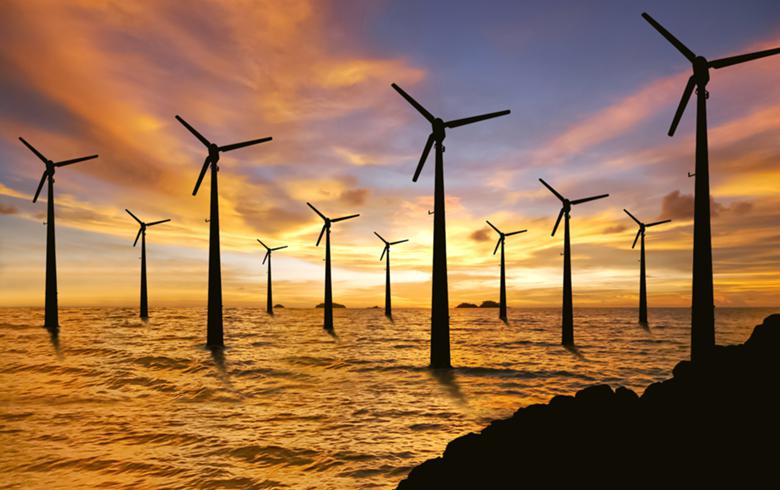
Japan aims to generate up to 45 gigawatts of power annually through offshore wind power in 2040 to achieve net-zero emissions of carbon dioxide by 2050, which could make it the world's third-largest generator of such power.
The plan was agreed upon by officials from the economy and land ministries and the private sector.
The target is equivalent to the electricity output of 45 nuclear reactors.
Under the plan, Japan will first increase offshore wind power generation to 10 gigawatts by 2030, raising it to between 30 gigawatts and 45 gigawatts in 2040.
Japan currently generates just 20,000 kilowatts through offshore wind farms and is not even among the top 10 generators using that power source.
In fiscal 2018, only 17 percent of Japan's total power generation source came from renewables. Fossil fuels such as coal and liquefied natural gas accounted for 77 percent, while nuclear power was at 6 percent.
The government will provide surveys on wind movements and geology of seabeds to facilitate market entry by new operators.
Electricity generation from offshore wind power is expected to get cheaper than that of fire power by 2030 to 2035.
According to a projection by the International Energy Agency, the EU aims to produce 127 gigawatts as China targets 107 gigawatts in 2024.







